
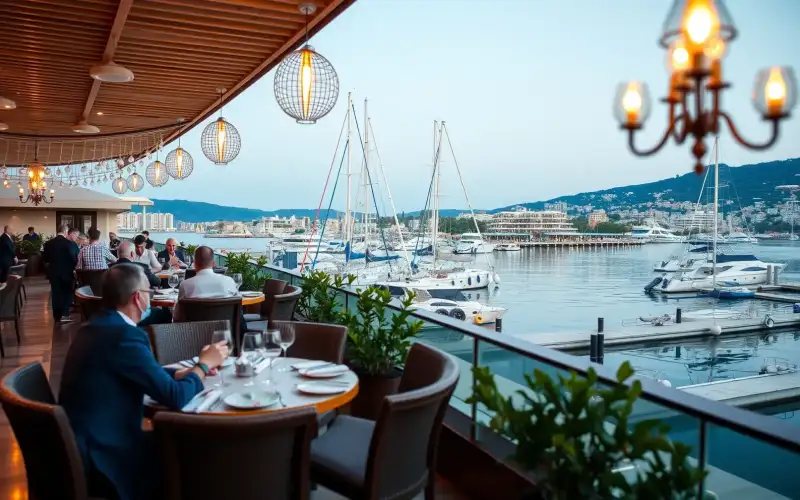
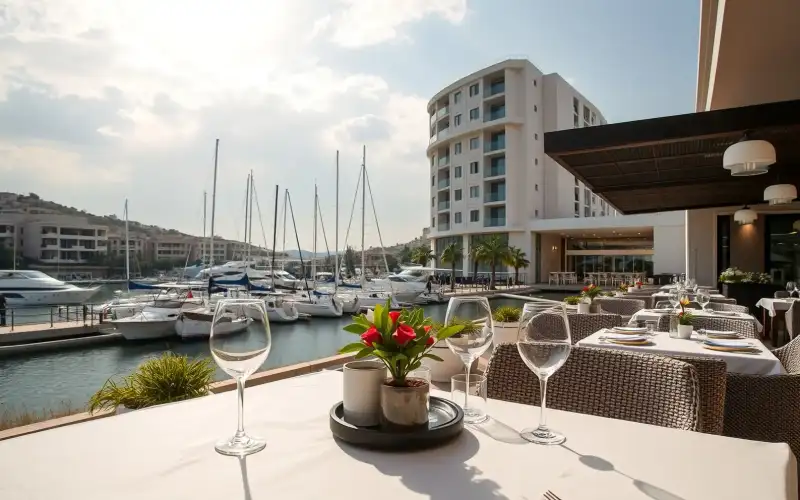
Last autumn, I watched a London-based tech firm scramble to relocate their quarterly summit from a cramped Nicosia hotel to Limassol—all because they'd underestimated the city's transformation over five years. The marina-side venues they eventually booked were so far superior that the company now treats Limassol as their permanent Cyprus base. That's the shift happening here: the city has quietly become Cyprus's serious business destination, with conference infrastructure that rivals many European capitals.
If you're planning a corporate event—whether it's a 40-person board retreat, a 500-delegate conference, or an intimate client dinner—Limassol offers venues that work harder than you'd expect from a Mediterranean port town. The catch is that the choice has expanded so quickly that finding the right fit requires more than a Google search and a phone call.
What You'll Learn in This Guide
By the end of this comparison, you'll understand how to evaluate Limassol's conference venues against your specific needs. We'll walk through the major hotel options, their meeting facilities, pricing structures, and hidden strengths—so you can make a decision based on actual requirements rather than marketing brochure aesthetics.
You'll also discover which venues suit different event scales, what amenities justify premium pricing, and how to avoid the common pitfall of booking a beautiful hotel that turns out to have subpar AV capabilities or cramped breakout spaces. I've spent enough time in gallery openings and auction house previews to know that ambiance matters, but so does functional infrastructure.
Prerequisites: What You Need to Know Before Comparing
Before diving into specific venues, establish these baseline parameters for your event:
- Guest count: Are you expecting 30 people or 300? This determines whether you need a single meeting room or a tiered venue with multiple breakout spaces.
- Event duration: A half-day workshop requires different catering and room setup than a three-day conference.
- Budget per attendee: Limassol venues range from €80 to €250+ per person per day for full conference packages. Know your ceiling before calling.
- Accommodation needs: Do guests need hotel rooms, or are they local? This affects whether you prioritize a hotel venue or an independent conference center.
- Technical requirements: Will you need simultaneous translation, live streaming, or complex AV setups? Some venues charge heavily for this; others have it built in.
- Dietary requirements: Mediterranean cuisine is standard, but halal, kosher, and vegan options need advance notice—typically two weeks minimum.
- Parking and transport: Will attendees have rental cars? The marina venues have limited parking; Old Town locations offer street options.
- Arrival timing: Winter (November–March) offers better rates; summer (June–August) is pricier and venues fill faster.
- Networking priorities: Do you want an evening gala, wine reception, or casual networking space? This shapes venue selection dramatically.
- Outdoor backup: If your event includes outdoor activities or al fresco dining, confirm weather contingency plans and covered alternatives.
- Flexibility on dates: Booking Tuesday–Thursday (rather than Friday–Sunday) can reduce venue costs by 15–20%.
- Post-event requirements: Some clients need quiet breakout rooms for one-on-one meetings; others want shared social spaces.
Step 1: Assess Your Venue Type Requirements
Limassol's conference venues fall into three broad categories, each with distinct advantages. Understanding which suits your event is the first critical filter.
Hotel-integrated venues offer the simplest logistics: guests sleep where they meet, reducing transport friction and keeping attendees engaged throughout the event. The downside is that you're paying for accommodation whether people use it or not, and hotel meeting rooms sometimes feel like afterthoughts to the hospitality operation.
Standalone conference centers provide dedicated infrastructure—tiered seating, professional AV, modular breakout spaces—but require you to arrange accommodation separately and manage transport between hotel and venue. Limassol has only two true standalone centers, making this less of an option than in larger cities.
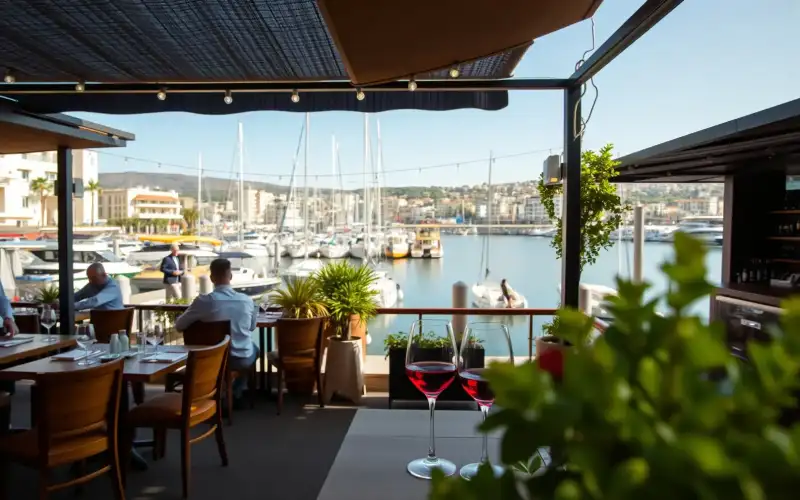
Boutique/alternative venues include wine estates, art galleries, and waterfront restaurants that can host 50–150 people. These work brilliantly for intimate client events or creative workshops but lack the scalability and technical infrastructure for larger conferences.
For a 150-person corporate conference, a hotel venue makes sense. For a 30-person board meeting, a boutique wine estate might be perfect. For 400+ delegates, you'll need a hotel with serious conference infrastructure or a hybrid approach using multiple spaces.
Step 2: Compare the Major Hotel Venues by Capacity and Location
Limassol's primary business hotels cluster in three zones: the marina (modern, walkable, pricey), the Old Town (character, local flavor, more affordable), and the business district around Makarios Avenue (functional, less atmospheric).
| Venue | Max Capacity | Location | Meeting Rooms | Est. Day Rate (pp) | Best For |
|---|---|---|---|---|---|
| Amathus Beach Hotel | 600 | Marina | 8 dedicated rooms | €180–220 | Large conferences, gala dinners |
| Atlantica Miramare | 450 | Marina | 6 rooms | €150–190 | Mid-size conferences, mixed formats |
| St. Raphael Resort | 350 | East Limassol | 5 rooms | €140–180 | Residential retreats, team building |
| Crowne Plaza Limassol | 280 | Business District | 7 rooms | €130–170 | Business meetings, mid-size events |
| Curium Palace Hotel | 200 | Marina | 4 rooms | €160–200 | Boutique conferences, executive events |
| Almyra Hotel | 180 | Marina | 3 rooms | €170–210 | Small luxury events, private dinners |
The Amathus Beach Hotel dominates the large-conference market—their ballroom holds 600 theater-style, and they have eight separate meeting rooms for breakout sessions. The downside: it feels corporate and impersonal, with queues at the coffee station during breaks. The Atlantica Miramare offers better value at 450 capacity, with more intimate spaces and a design-forward aesthetic that appeals to creative industries.
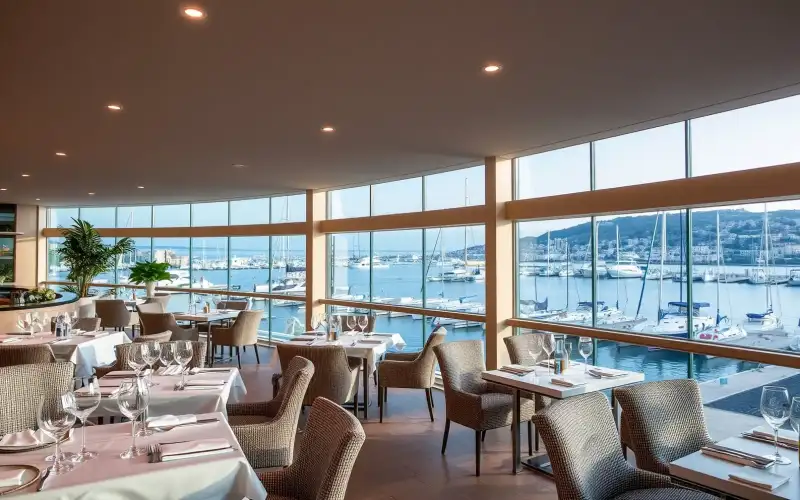
If you're looking for something smaller and more distinctive, the Curium Palace on the marina offers genuine character—exposed stone, contemporary art on the walls, a real sense of place. Capacity is limited to 200, but for executive retreats or intimate client conferences, it punches above its weight.
Step 3: Evaluate Technical Infrastructure and Hidden Costs
This is where many event planners get blindsided. A beautiful ballroom means nothing if the WiFi collapses under 200 simultaneous video calls, or if the AV team charges €800 to set up a simple projector.
All major Limassol hotels now offer standard AV packages: projector, screen, basic lighting, and a technician for the day. Costs typically run €400–600 for a standard setup. But if you need simultaneous translation (common for international conferences), expect to add €1,500–2,500 for professional interpreters and booth rental. Live streaming adds another €800–1,200. Some venues bundle these; others charge à la carte.
WiFi is theoretically unlimited, but peak-hour capacity varies wildly. The Crowne Plaza and Amathus have enterprise-grade systems that handle heavy load. The boutique hotels sometimes struggle with 100+ concurrent users. Always request a dedicated bandwidth allocation in your contract—a written commitment, not a vague promise.
Catering is another hidden variable. Hotel day rates typically include coffee, tea, and lunch, but premium coffee (specialty espresso, cold brew) and afternoon snacks cost extra. A full bar for evening events adds 30–50% to catering costs. Alcohol pricing is steep: expect €8–12 per glass of wine, €15+ for spirits. If your budget is tight, negotiate a house wine package rather than premium selections.
Step 4: Assess Accommodation, Parking, and Accessibility
If your event spans multiple days and guests need rooms, hotel venues offer obvious convenience. But check room rates carefully—conference day rates (€120–160 per room) don't always apply to all attendees. Typically, only speakers and key guests get the negotiated rate; others pay standard rates (€180–250 depending on season).
Parking is surprisingly contentious in Limassol. Marina hotels have limited underground parking (€5–8 per day, often included). The Crowne Plaza and business district venues have larger lots but less convenient access. Always confirm parking capacity before booking—a 200-person event with 100 cars requires more than one small lot.
Public transport is improving but still limited. The main bus station (EMEL) is a 15-minute walk from the marina; taxis cost €8–12 from the airport (35km away). If many guests are flying in, arrange airport transfers through the hotel—usually €25–35 per person, but it simplifies logistics.
Accessibility for disabled attendees is legally required but varies in execution. Older hotels have retrofitted elevators and accessible rooms; newer ones (Curium Palace, Crowne Plaza) have better integrated design. Always request detailed accessibility information in writing.
Step 5: Match Venue to Event Type and Make Your Selection
With the data in hand, here's how to make the final decision:
For a 300+ person international conference: Book the Amathus Beach Hotel. Yes, it's corporate and expensive, but the infrastructure is bulletproof, the breakout spaces are numerous, and the on-site accommodation keeps attendees engaged. Budget €200–250 per person per day.
For a 100–200 person executive retreat or client conference: The Crowne Plaza or Atlantica Miramare offer better value and more personality than the Amathus. The Crowne Plaza's business district location is less glamorous but cheaper; the Atlantica's marina setting justifies the premium. Budget €150–190 per person per day.
For a 30–80 person board meeting, strategy session, or intimate client event: Consider the Curium Palace or Almyra Hotel. The smaller scale, design-forward spaces, and marina location create a more memorable experience. Budget €170–210 per person per day, but negotiate hard on room rates if attendees are staying overnight.
For a creative workshop or team-building event: Break the hotel mold entirely. St. Raphael Resort (east of the city, near the Kourion archaeological site) offers a retreat atmosphere that hotel ballrooms can't match. Alternatively, explore wine estate venues like Vasilikon or Fikardos—they accommodate 80–150 people, cost €80–120 per person for a day event with wine and food, and create genuine conversation space.
Troubleshooting Common Venue Problems
Even with careful planning, issues arise. Here's how to handle the most common scenarios:
WiFi failure during the event: Have a backup plan before day one. Request the hotel's mobile hotspot details, and ask for a dedicated technician on standby. Ensure all speakers have their slides downloaded locally, not relying on cloud access.
Catering running late or running out: Confirm final headcount 48 hours before, not the morning of. Build a 10% buffer into food quantities. If service lags, the hotel manager can usually expedite; don't wait—flag it immediately.
Noise from adjacent events: Limassol's larger hotels often host multiple events simultaneously. Request soundproofing confirmation in writing, and visit the venue during a busy time before booking to assess acoustic reality.
Unexpected guest surge or drop: Contracts typically allow 5–10% variance without penalty. Beyond that, you'll pay for no-shows or absorb costs for additional attendees. Build flexibility into your final headcount commitment.
Inadequate breakout space: If your event requires simultaneous sessions, confirm that multiple rooms are available and that they're not being used by other events. Request a floor plan showing exact locations and travel time between spaces.
Conclusion: The Right Venue Transforms Your Event
Choosing a Limassol conference venue isn't just about finding a room large enough for your guests. It's about understanding the infrastructure beneath the aesthetic, matching capacity and location to your actual needs, and negotiating terms that protect both your budget and your event's quality.
The city has matured significantly since 2020. Venues that were afterthoughts to the hospitality business are now serious conference operations, with dedicated event teams, modern AV, and professional catering. That said, the gap between a well-run event and a chaotic one often comes down to advance planning and realistic expectations.
Start with your guest count and event type. Use the venue comparison table to narrow your options. Visit your top two choices in person—not on a quiet Tuesday, but during a busy day when you can assess noise levels, WiFi performance, and staff responsiveness. Ask hard questions about technical capabilities, catering flexibility, and contract terms. Then negotiate.
The Limassol conference market is competitive enough that venues will work with you on pricing, especially for multi-day events or off-season bookings. A well-planned corporate event here doesn't just happen—it's built through careful venue selection, clear communication, and realistic contingency planning.
Comments (4 comments)