
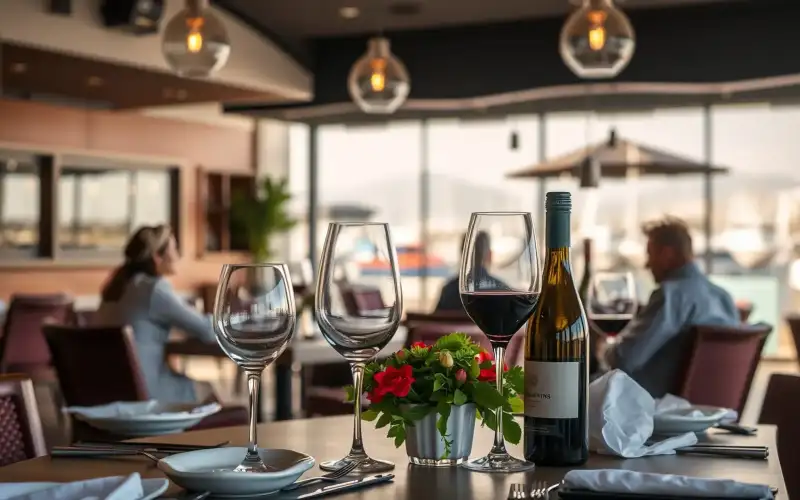
Last spring, I watched a room full of software engineers from London transform mid-afternoon when their conference organiser wheeled out a tasting flight from a Commandaria producer. Within twenty minutes, the energy shifted—not toward chaos, but toward something more productive. People who'd been glazed over spreadsheets were suddenly animated, asking questions about terroir and fermentation. The conference centre manager later told me she'd noticed this pattern repeatedly: wine breaks work.
Limassol has quietly become one of Europe's most underrated destinations for business travel that actually feels like living, rather than merely existing in a hotel room between meetings. The city's conference infrastructure rivals that of much larger European hubs, yet it remains refreshingly free of the sterile corporate monotony that defines business districts elsewhere. And then there's the wine—Commandaria, specifically, which sits just forty kilometres inland and represents one of the world's oldest continuously cultivated wine regions, with a documented history stretching back to the twelfth century.
The Limassol Conference Landscape: Where Business Happens
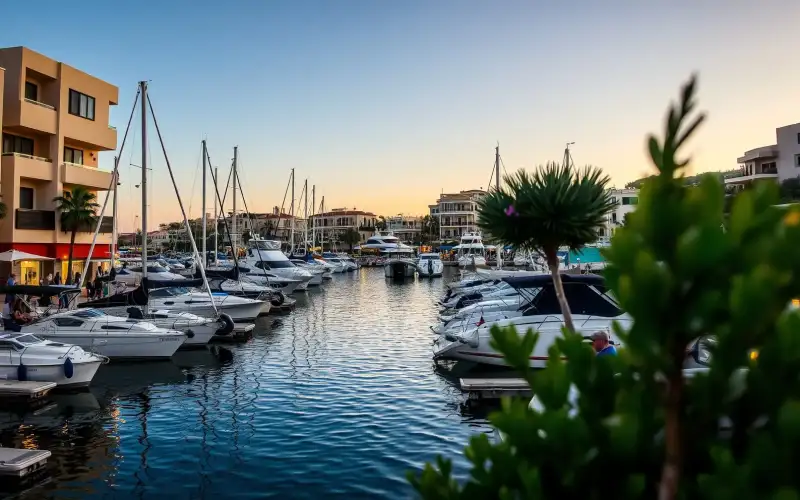
Limassol's conference venues have expanded considerably since 2024. The Limassol Convention Centre, located near the marina, offers flexible spaces ranging from intimate boardrooms accommodating twelve people to auditoriums seating eight hundred. The acoustics are excellent, the technical infrastructure is modern, and the staff understand corporate logistics—a rarity that shouldn't be underestimated.
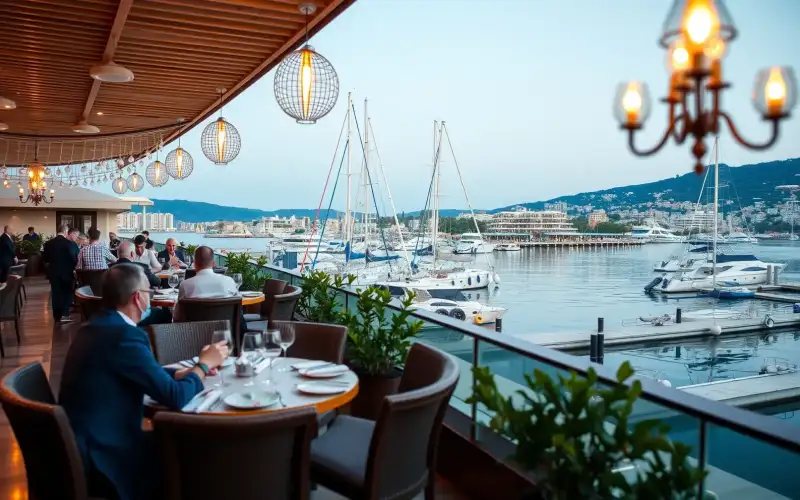
The Crowne Plaza Limassol and Four Seasons Hotel both offer integrated conference facilities within their properties, which matters more than you'd think. When your afternoon session ends at four o'clock and you're staying three floors above the meeting room, the temptation to retreat to your suite and work through dinner becomes almost irresistible. But both hotels have solved this through design: the meeting spaces open onto terraces overlooking either the marina or the Mediterranean, and the transition from formal conference to informal networking happens naturally, often with a glass of something local in hand.
For smaller delegations—ten to fifty people—the boutique hotels scattered through the Old Town offer character that corporate chains cannot match. The Londa Hotel, housed in a converted merchant's mansion from the 1920s, has hosted everything from tech startups to pharmaceutical research groups. Its owner, a former gallery director, understands that business travellers appreciate aesthetics as much as functionality.
Transportation and Timing
This is where planning becomes crucial. Limassol's airport lies forty-five minutes south; you'll likely arrive via Larnaca International (about ninety minutes by car). Arrange ground transport through your hotel—every decent business hotel in Limassol now offers dedicated car services. Taxis are reliable but inconsistent; ride-sharing apps work, but a pre-booked driver eliminates variables when you're managing a tight schedule.
Most business visitors arrive on Monday and depart Friday. This leaves you with three potential wine experiences: Tuesday evening (a lighter tasting after the first day's intensity), Wednesday afternoon (a full half-day excursion), or Thursday morning (before your final sessions). I'd recommend Wednesday afternoon, which allows you to leave the conference by two o'clock, spend three to four hours in the wine region, and return by seven for dinner.
Commandaria: The Wine Region That Demands Your Attention
Commandaria occupies a specific geographical zone—roughly thirty-two square kilometres between the villages of Kolossi and Yermasoyia, at elevations between three hundred and six hundred metres. The designation is protected by European law, which means any wine labelled Commandaria must come from grapes grown within this precise area. This matters because it's one of the oldest such designations in the world, predating most European appellations by centuries.
The region produces primarily sweet wines—a Commandaria is traditionally a fortified wine with residual sugar, deep amber in colour, complex on the palate. The primary grape varieties are Xynisteri (white) and Mavro (red), both indigenous to Cyprus. A good Commandaria tastes like dried apricots, honey, caramel, and something mineral—a wine that demands you slow down and actually taste it, rather than simply drink it.
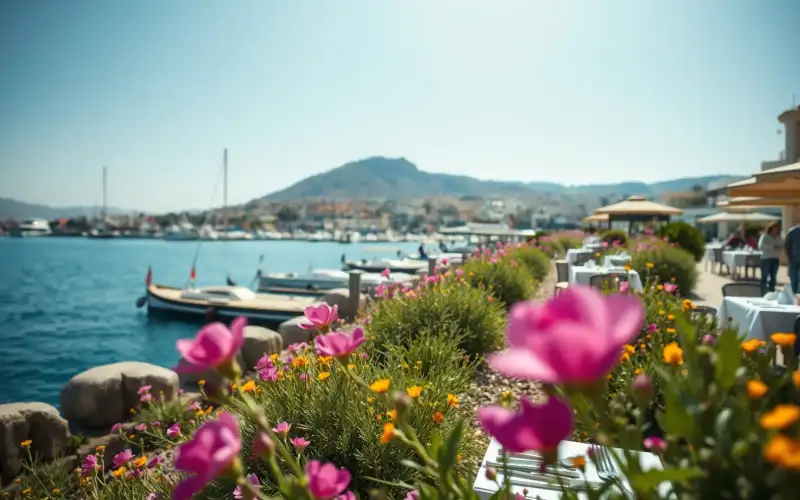
The landscape itself is stunning in a way that photographs rarely capture. Terraced vineyards cascade down hillsides, with stone walls built centuries ago still holding the soil in place. Olive groves and carob trees punctuate the terrain. In April, the wildflowers are extraordinary. In September and October, the harvest brings an energy that's almost tangible—you'll see families working the vineyards at dawn, and the smell of fermentation drifts across the villages.
Which Wineries to Visit
Forget the large producers that dominate supermarket shelves. For a business traveller with limited time, focus on smaller operations where you'll actually meet the winemaker or owner.
- Tsiakkas Winery sits on a hillside near Kolossi and produces about eight thousand bottles annually. The owner, Nicos Tsiakkas, is a trained sommelier who can articulate exactly why his 2019 Commandaria tastes the way it does. Tastings are by appointment; allow ninety minutes. Cost: €25 per person.
- Keo Winery, larger and more established, offers structured tours that include the production facilities and a seated tasting in a proper tasting room. They produce Commandaria alongside other Cypriot wines. Allow two hours. Cost: €20 per person.
- Zambartas Winery operates from a family property where four generations have grown grapes. The tasting includes their Commandaria and several dry wines. The owner's daughter now manages operations and speaks fluent English. Two hours. Cost: €22 per person.
- Fikardos Winery is the most rustic option—a genuine family operation in the village of Kolossi itself. Tastings happen in a stone cellar beneath the family home. You'll taste their Commandaria and perhaps whatever else they've opened that day. Ninety minutes. Cost: €15 per person.
Book all of these in advance through your hotel concierge or directly via email. Arrive by three o'clock; this gives you time to complete the tasting and return to Limassol by seven or eight in the evening. The drive from central Limassol takes forty-five minutes to an hour, depending on traffic and which winery you're visiting.
The Logistics of a Half-Day Wine Excursion
Your driver should be briefed in advance. Most hotels can arrange a car and driver for a half-day excursion (three to four hours) for approximately €80–120. If your delegation numbers more than four people, a minibus with a professional driver costs €150–200 for the same duration. The driver won't accompany you into the winery—they'll wait, typically reading or checking their phone—but they'll have you back in the city on schedule.
Eat before you leave Limassol. A light lunch around one o'clock is ideal; you'll taste wine on a non-empty stomach without feeling heavy. Bring water—the region is dry, and tasting wine in afternoon heat requires hydration. Wear comfortable shoes; wineries involve walking on gravel and stone paths.
One practical note: if your group includes people who don't drink alcohol, most wineries can arrange grape juice tastings or simply provide non-alcoholic alternatives. Don't assume this is awkward; it's become entirely standard.
Where to Stay: Hotels That Understand Business Travel
Limassol's hotel landscape has matured significantly. For business travellers, forget the resort-style properties in Paphos or the beach clubs of Ayia Napa. You want somewhere central, with reliable WiFi, a proper gym, and a restaurant that serves dinner after eight o'clock.
Luxury Options
The Four Seasons Hotel Limassol occupies a prime position on the seafront, with conference facilities integrated throughout the building. Rooms feature floor-to-ceiling windows, marble bathrooms, and technology that actually works. The spa is exceptional—if you arrive stressed from travel, a massage before your first meeting is genuinely therapeutic. Rates for a superior room start around €280 per night; suites significantly more. The hotel restaurant, Basilico, serves Mediterranean cuisine that's taken seriously.
The Crowne Plaza Limassol is marginally less expensive (€220–260 per night for comparable rooms) but equally professional. Its location near the marina means you can walk to restaurants and galleries. The business centre is staffed during business hours, and the hotel's concierge is particularly knowledgeable about wine tours and local experiences.
Boutique and Mid-Range
The Londa Hotel, mentioned earlier, offers something different: character without pretension. Rooms are individually designed, the breakfast is exceptional, and the owner's art-world connections mean the walls rotate with works from local galleries. €150–200 per night. It's quieter than the chains, which appeals to people who've spent all day in meetings.
The San Stefano Hotel sits in the Old Town near the castle, within walking distance of restaurants and the waterfront. Smaller, family-run, with nineteen rooms and a rooftop bar that's genuinely pleasant. €120–160 per night. Less suitable for large delegations, but excellent for individuals or pairs.
The Practical Realities: What Business Travellers Actually Need
Internet connectivity matters more than anyone admits. All hotels mentioned above offer fibre-optic broadband; verify this when booking if your work requires video conferencing. Mobile coverage is excellent throughout the city—both Cytamobile and Vodafone Cyprus offer reliable 4G and 5G networks. European roaming rates apply if you're on a UK plan.
The business culture in Cyprus is more relaxed than in London or Frankfurt, but not unprofessional. Meetings typically run on time. Dress code is business casual, even in formal settings; nobody wears ties unless you're attending a banking conference. Lunch happens between one and two o'clock; dinner reservations are made for eight or eight-thirty. The working day effectively ends by six o'clock, which is when the wine tastings and social experiences become possible.
Currency is the Euro. ATMs are ubiquitous. Most restaurants and hotels accept cards, but some smaller establishments (particularly in the wine region) prefer cash. Bring some euros with you.
Structuring Your Week: A Sample Itinerary
Consider this realistic schedule for a business delegation arriving Monday morning:
| Day | Morning | Afternoon | Evening |
|---|---|---|---|
| Monday | Arrive, settle into hotel, informal briefing | Conference sessions begin (2–6 pm) | Team dinner near marina, early night |
| Tuesday | Conference (9 am–1 pm) | Lunch, informal working sessions | Light tasting at hotel or nearby wine bar (6–8 pm) |
| Wednesday | Conference (9 am–2 pm) | Depart for Commandaria winery (2:30–6:30 pm) | Dinner in Old Town, discuss day's insights |
| Thursday | Conference (9 am–1 pm) | Final sessions, networking lunch | Casual dinner, pack, early night |
| Friday | Optional morning session or departure | Depart for airport | — |
This schedule allows for genuine business productivity while incorporating a meaningful wine experience. The Wednesday afternoon excursion is positioned after the conference's most intense sessions, which means people arrive at the winery mentally fresher than they would earlier in the week.
Why This Actually Works: The Verdict
The marriage of business travel and wine tourism in Limassol isn't a gimmick. It works because the infrastructure supports it without requiring compromise. Your conference happens in a proper venue with professional facilities. Your accommodation is comfortable and reliable. Your wine experience is authentic—you're not being herded through a theme-park version of viticulture, but actually encountering real producers in a genuine wine region.
For business travellers aged thirty-five to sixty-five, which is the demographic that tends to value both productivity and experience, Limassol offers something most European business destinations don't: the ability to conduct serious work and have a genuinely enriching experience in the same trip, without one undermining the other.
The wine region is accessible but not touristy. The conference facilities are professional but not sterile. The hotels understand business needs without being corporate machines. The result is a trip that feels productive and restorative simultaneously—which, if you spend your professional life in conference rooms, is something approaching valuable.
Comments (4 comments)