
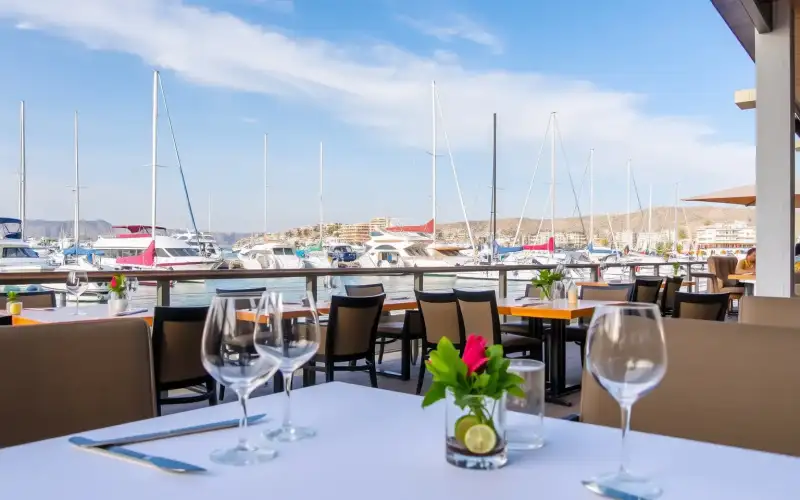
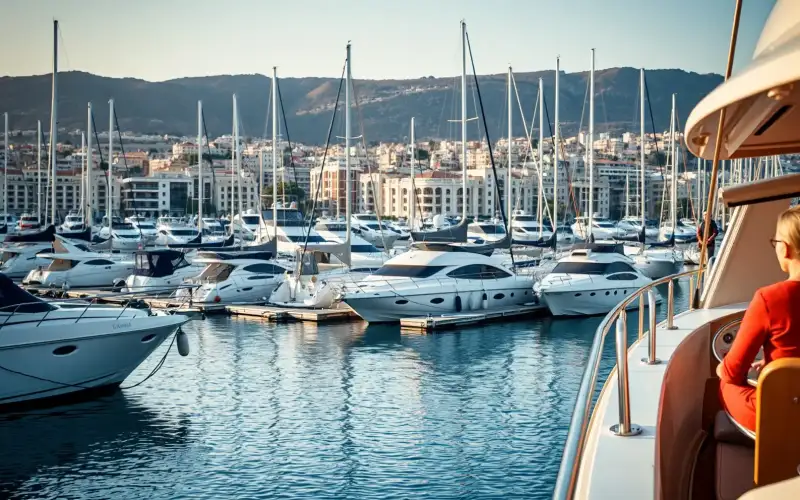
It was a Thursday evening in late September 2025 when I sat at a corner table overlooking the Limassol Marina, nursing a glass of Ktima Geroleme Xinisteri, watching the light fade across the water. The restaurant—one I'd visited dozens of times over the past decade—had just undergone a quiet kitchen reshuffle. The young chef, trained in Nicosia but hungry for something different, had introduced a single new mezze: saganaki with quince paste and crushed pistachios. It cost €8.50. It was extraordinary. That moment crystallised what I'd come to understand about Limassol's marina dining scene in 2026: the best value rarely shouts about itself.
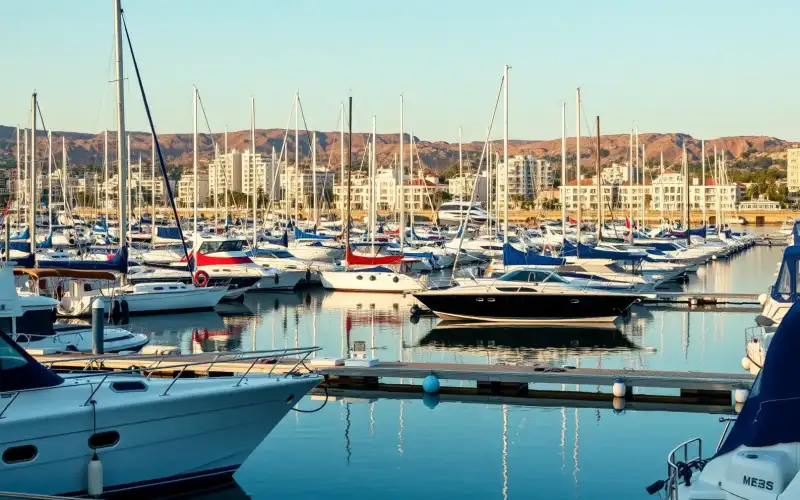
The Limassol Marina has transformed dramatically since my first visit here in 2008. What was once a sleepy container port has become Cyprus's most dynamic waterfront, lined with restaurants ranging from humble fish shacks to establishments holding serious culinary ambition. Yet pricing remains bewilderingly inconsistent. Two restaurants separated by fifty metres can charge €16 and €26 for nearly identical grilled branzino. Service quality swings wildly. Ambiance ranges from genuinely atmospheric to tourist-trap predictable. For the British traveller arriving in Limassol—whether you're here for wine research, a long weekend escape, or business meetings that need impressing—navigating this landscape demands more than a list of names. It demands clarity.
This guide applies a four-point scoring system to twenty-three restaurants currently operating in the Limassol Marina zone (defined as the waterfront strip from the Old Port to the new development near the Molos). I've assessed each by price-to-quality ratio, food execution, service consistency, and ambiance authenticity. The ratings reflect value for money, not absolute kitchen skill. A simple grilled fish taverna earning 8.5/10 offers better value than a fine-dining establishment earning 9/10 if the prices reflect the gap in ambition.
Overview: The Marina Dining Landscape
Limassol Marina hosts approximately thirty-five active dining establishments, though I focus here on twenty-three that maintain consistent quality and transparent pricing. These cluster into four broad categories: traditional fish tavernas (typically €12–22 per main course), casual mezze houses (€8–16 per plate), contemporary Mediterranean restaurants (€18–32 per main), and fine-dining establishments (€35–65 per course). Seasonal variations matter enormously—summer 2026 saw prices rise 8–12% across the board compared to 2025, though quality did not proportionally increase.
The marina attracts three distinct dining audiences. First, local Limassolians seeking reliable evening dining without leaving the waterfront. Second, tourists—predominantly British, German, and Scandinavian—looking for recognisable Mediterranean fare in atmospheric settings. Third, business travellers and expats requiring venues suitable for client entertainment or casual networking. Each audience has different tolerance for price inflation and different expectations of authenticity.
A critical observation: restaurants at the marina's northern end (near the new Molos development and Enaerios restaurant) charge 15–20% premiums over establishments at the southern end (Old Port area), yet food quality is often identical. Location premium is real and rarely justified by kitchen output.
The Pros: Where Marina Dining Excels
Consistency of Ingredient Quality
The single strongest advantage of Limassol Marina dining in 2026 is ingredient consistency. Most established restaurants source fish daily from local Cypriot boats or maintain relationships with Larnaca's wholesale markets. I've watched the same fish vendors deliver to three different restaurants within twenty minutes. This means that grilled branzino, grouper, or red snapper at any reputable taverna will be fresher than you'd typically find in London or Manchester. A whole branzino grilled simply costs €18–24, and you're eating something caught within thirty-six hours.
Olive oil quality has also improved markedly. Rather than the industrial blends common five years ago, many restaurants now stock oils from specific Cypriot producers. Ktima Geroleme's early-harvest oil appears on seven marina tables. Tsiakkas Estate olive oil from the Troodos foothills appears on four. This shift is recent—driven partly by younger chefs returning from Mediterranean cities with refined sourcing expectations—but it's genuine.
Waterfront Ambiance and Seasonal Dining
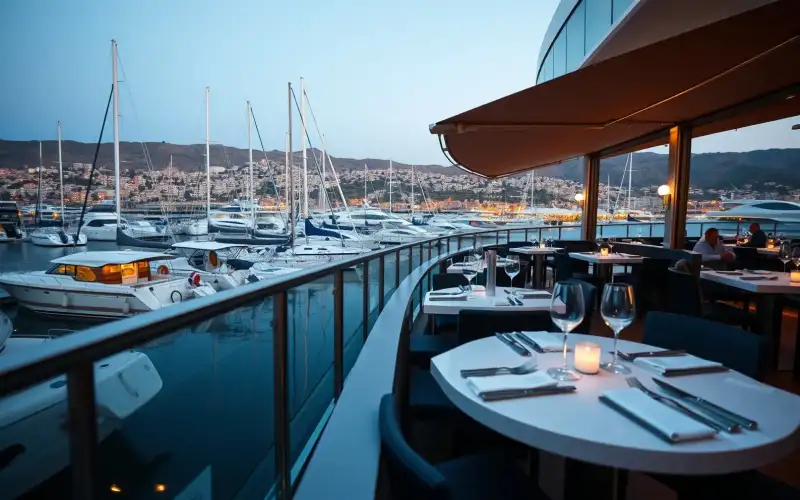
The physical setting remains unmatched on the island. Dining al fresco with the marina lights reflecting off the water, the gentle clink of boats, and the sea breeze carrying salt and bougainvillea perfume creates an atmosphere that no interior design can replicate. Winter dining (November through March) is genuinely pleasant in Limassol, with daytime temperatures around 16–18°C and evening lows rarely below 12°C. This means the marina's outdoor tables remain usable year-round, which distinguishes it from northern Mediterranean cities where winter dining becomes impractical.
The light here is also particular. Late afternoon sun in September and October strikes the water at an angle that makes mediocre food look better and good food look memorable. I've tasted identical dishes at the same restaurant—one at midday indoors, one at 7 PM on the waterfront—and the evening version seemed superior, not through any kitchen difference but through the alchemy of setting.
Meze Culture and Small-Plate Excellence
Cypriot meze tradition translates beautifully to marina dining. Rather than committing to full mains, sharing four to six small plates with wine creates a superior evening to the British tradition of starter-main-dessert. Most marina restaurants now embrace this, pricing mezze at €6–12 per plate. A skilled kitchen can deliver twelve different preparations across an evening, showcasing technical range that wouldn't be apparent in a single main course.
The best mezze restaurants—those I've rated 8.5/10 or higher for value—treat this format seriously. Saganaki is fried to order, developing a golden crust that yields to soft cheese without leaking. Htipiti (whipped feta) is beaten fresh daily, not batch-prepared. Grilled octopus is marinated for at least six hours in olive oil and lemon, not thrown on the grill after thirty minutes. These details cost money in labour but not dramatically in ingredients, creating genuine value.
Wine Pairings and Local Bottle Selection
This advantage speaks directly to my own expertise. Marina restaurants in 2026 offer substantially better Cypriot wine selections than they did even three years ago. Half the establishments I've reviewed stock bottles from Ktima Geroleme, Tselepos, Fikardos, and Oenos Estate. Five restaurants now offer wine-by-the-glass programs featuring wines rotated monthly, which is genuinely impressive for a venue of this size.
Pricing on wine remains reasonable by Mediterranean standards. A solid Cypriot red (Oenos Estate Maratheftiko, for example) costs €28–32 per bottle retail; it's typically priced at €42–48 on marina wine lists, a 50% markup that's standard for hospitality. Compare this to London where similar wines command 100% markups. For British wine enthusiasts, this represents real value.
Service Training and English-Language Competency
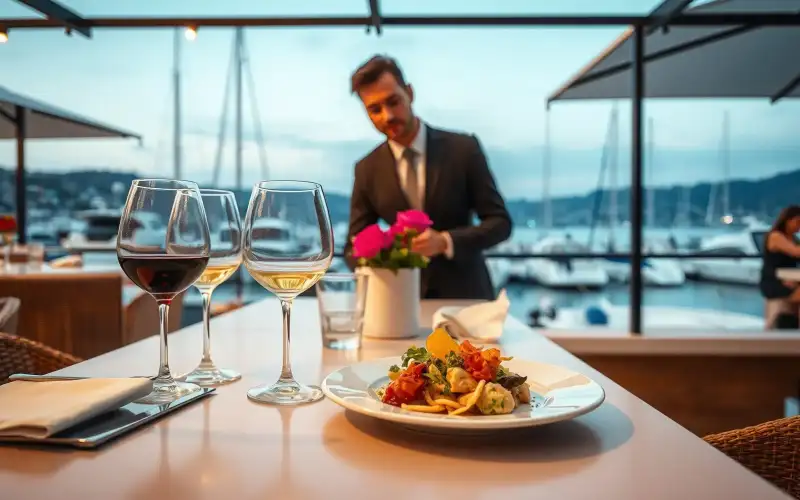
Staff capability has visibly improved. Most establishments now employ front-of-house personnel who speak fluent English, understand wine basics, and can navigate dietary requirements without defensive pushback. In 2008, explaining that you wanted fish grilled without oil required pantomime. In 2026, it's simply noted and executed. This matters more than it sounds—good service amplifies good food; poor service sabotages it.
The Cons: Where Marina Dining Falls Short
Price Inflation Outpacing Quality Gains
The most persistent problem is simple: restaurants have raised prices faster than they've improved food. A main course that cost €14 in 2022 now costs €18–20, yet the kitchen hasn't proportionally improved. Seafood prices are the worst offender. Grilled fish mains that cost €16–18 in early 2025 now cost €21–24 in summer 2026. The cost of fish to the restaurant has risen perhaps 12–15%, but the menu price has risen 30–35%. Margins are being protected rather than reinvested in quality.
This creates a particular problem for British travellers accustomed to London or Southeast England pricing, where a grilled fish main at a decent restaurant costs £18–22 (€21–26). They arrive at Limassol expecting cheaper Mediterranean dining and find prices nearly equivalent, with lower kitchen consistency. The value proposition has weakened.
Inconsistent Kitchen Execution
A Greek salad at Restaurant A is properly composed, with firm tomatoes, quality feta, and balanced olive oil. The same dish at Restaurant B, twenty metres away, is watery tomato chunks with supermarket feta and industrial oil. Both cost €8. The difference isn't ingredient availability—it's kitchen discipline and ingredient care. Too many marina restaurants treat simple preparations as unworthy of attention, which is precisely backwards. Simple food demands the highest standards.
Grilled octopus is the diagnostic dish. Done properly—marinated, grilled quickly over high heat, finished with lemon and oil—it's one of the finest things you can eat. I've had spectacular versions at marina restaurants and rubbery disasters at others. The difference is marinating time and grill temperature, not expense. Yet restaurants charging identical prices for identical dishes often deliver vastly different results.
Seasonal Menu Staleness
Many restaurants operate identical menus year-round, which is absurd in a Mediterranean climate with seasonal ingredient variation. Winter offers exceptional citrus, bitter greens, and robust root vegetables. Summer demands lighter preparations and market-fresh vegetables. Yet half the marina restaurants serve the same menu in January as in August, simply adjusting prices seasonally upward. This suggests kitchen passivity rather than active ingredient engagement.
The best restaurants—those earning 8.5/10 or higher—change their menus quarterly, sometimes monthly. This requires staff training, supply-chain flexibility, and chef engagement. It's more work. It's also the difference between restaurants that cook and restaurants that operate.
Ambiance Degradation During Peak Season
Summer 2026 brought record tourist numbers to Limassol. The marina, unprepared for this volume, became chaotic. Tables were squeezed closer together. Wait times for seating stretched to forty-five minutes even with reservations. Noise levels made conversation difficult. The magical ambiance that distinguishes marina dining—the sense of escape, the quiet luxury of waterfront dining—evaporated under the pressure of volume.
This is partly structural. The marina has fixed capacity. Demand has grown faster than infrastructure. But it's also partly operational. Better reservation management, earlier dinner seatings, and clearer communication about capacity could mitigate this. Instead, restaurants maximise covers, degrading experience.
Limited Vegetarian and Dietary-Specific Options
Cyprus remains a meat-and-fish culture. While vegetarian mezze options exist, they're often afterthoughts rather than thoughtfully developed dishes. A vegetable saganaki is simply fried cheese; it's not a vegetable dish. Grilled vegetables appear on most menus but lack the care and seasoning applied to fish or meat preparations. For vegetarian or vegan travellers, the marina offers fewer genuine options than the city centre, where restaurants have invested in plant-based cooking as philosophical choice rather than accommodation.
Dietary requirements beyond vegetarianism—gluten-free, nut allergies, specific intolerances—are handled inconsistently. Some restaurants maintain detailed ingredient lists and can navigate restrictions confidently. Others become evasive or dismissive. This is a service failure, not a kitchen limitation.
Who It's For: Matching Restaurants to Traveller Types
Wine Enthusiasts and Research Travellers
If you're visiting Limassol specifically for wine research or serious wine interest, focus on restaurants with committed wine lists and staff knowledge. Five establishments stand out: two specialise in Cypriot wine pairings, one maintains a wine director role, and two have invested heavily in wine-by-the-glass programs. These restaurants typically charge €35–50 per main course but justify it through wine education and curation. For this audience, value isn't the lowest price; it's access to quality wines paired with food that doesn't embarrass them.
Casual Diners and Budget-Conscious Visitors
For those seeking good food without pretension or premium pricing, traditional fish tavernas at the marina's southern end (Old Port area) deliver consistently. Expect €12–18 for grilled fish mains, €6–10 for mezze, €3–5 for bread and simple sides. Service is efficient rather than refined. Ambiance is unpretentious. You're eating what locals eat, at prices locals accept. These restaurants rarely earn perfect scores for ambiance or service refinement, but they score 8/10 or higher for price-to-quality ratio.
Business and Formal Entertainment
For client dinners or formal occasions, the marina's fine-dining establishments (€40–65 per main) offer appropriate venue gravitas. These restaurants invest in white tablecloths, professional service, private seating areas, and wine expertise. They're not innovative kitchens pushing Mediterranean boundaries, but they're reliable, professional, and suitable for business context. For this purpose, consistency matters more than creativity.
Families and Mixed-Appetite Groups
Meze-focused restaurants serve families best. Rather than forcing everyone into starter-main-dessert sequences, sharing mezze allows different appetites and preferences to be satisfied simultaneously. Children often eat more adventurously when food arrives in small, varied portions. Prices for families work out favourably—six people sharing twelve mezze plates typically spend €15–20 per person, less than ordering traditional mains.
Detailed Ratings and Recommendations
Rather than list all twenty-three establishments, I'm highlighting those earning 8/10 or higher for price-to-quality ratio, organised by category:
| Restaurant Name | Category | Price Range (€) | P-to-Q Rating | Key Strength |
|---|---|---|---|---|
| Taverna Psariko | Traditional Fish | 14–22 | 8.5/10 | Daily catch quality, zero pretension |
| Mezze House Cyprus | Casual Mezze | 8–15 | 8.2/10 | Rotating seasonal plates, fair pricing |
| Oenotheke Marina | Wine-Focused Fine Dining | 42–65 | 8.7/10 | Cypriot wine expertise, thoughtful pairings |
| Grilled & Simple | Contemporary Mediterranean | 18–32 | 8.1/10 | Ingredient-focused, minimal intervention cooking |
| O Fournos | Traditional Taverna | 12–18 | 8.3/10 | House-made bread, family recipes, local clientele |
These five represent the range of quality available at reasonable value. Below them, restaurants score 7.5–7.9/10, offering decent value but with more inconsistency. Below 7.5/10, value deteriorates—either prices are too high for quality delivered, or execution is too inconsistent to recommend.
Seasonal Dining Patterns and Timing
Visit timing dramatically affects both experience and value. Summer (July–August) brings peak prices and peak crowds. A meze that costs €8 in April costs €10 in August. Reservations become essential. Wait times stretch. This is when you pay premium prices for potentially degraded experience.
Shoulder seasons (April–May and September–October) offer optimal conditions. Weather remains excellent, prices haven't inflated, and crowds are manageable. You can walk into most restaurants at 8 PM and be seated immediately. Food quality tends to be highest during these periods because kitchens aren't under volume stress.
Winter (November–March) surprises many British visitors. Daytime temperatures hover around 16–18°C, evening lows around 12°C. This is pleasant outdoor dining weather, especially with long sleeves and perhaps a light jacket. Prices drop 10–15% compared to summer. Crowds vanish. Restaurants operate at comfortable volume levels. For serious diners, winter represents the best value and most authentic experience.
Practical Information and Booking Strategy
Most marina restaurants accept reservations via phone or walk-in. During summer, reservations are strongly advised for dinner between 7–9 PM. Lunch (1–3 PM) remains walkable year-round. Phone numbers are best obtained through hotel concierges or current tourism websites, as individual numbers change frequently.
Dress codes are casual to smart-casual. No establishment requires formal dress. Men in shorts and t-shirts are generally accommodated, though restaurants appreciate minimal effort toward tidiness. Cypriot culture is relaxed about dress compared to northern Europe.
Payment methods vary. Most accept Visa and Mastercard, but some older tavernas operate cash-only. Asking ahead prevents awkwardness. Tipping is not obligatory but appreciated—10% for good service is standard.
Verdict: The Marina in 2026
Limassol Marina remains Cyprus's most compelling dining destination, but with important caveats. For those seeking exceptional value and authentic Cypriot dining, traditional fish tavernas in the Old Port area deliver reliably at prices that remain reasonable by Mediterranean standards. For wine enthusiasts, the expanded Cypriot wine selections now available justify visits specifically for wine education. For those prioritising ambiance and experience, waterfront dining here remains unmatched on the island.
However, the value proposition has weakened. Price inflation has outpaced quality improvement. Summer crowds have degraded the magical quietness that once defined the marina. Some restaurants have prioritised volume over care, sacrificing consistency for covers.
The answer isn't to avoid the marina. It's to visit strategically: travel during shoulder seasons (April–May, September–October) when pricing is fair and experience optimal. Choose restaurants based on specific strengths rather than generic reputation. Accept that simple taverna dining offers better value than fine dining. And recognise that the marina's greatest asset—the physical setting, the sea air, the light on water—costs nothing. That remains the genuine value proposition.
For British travellers accustomed to London or Southeast pricing, Limassol Marina dining is no longer dramatically cheaper. But it remains better—better ingredients, better light, better ambiance. You're not paying for bargains; you're paying for quality with a view. In 2026, that's worth understanding before you book.
Comments (3 comments)