
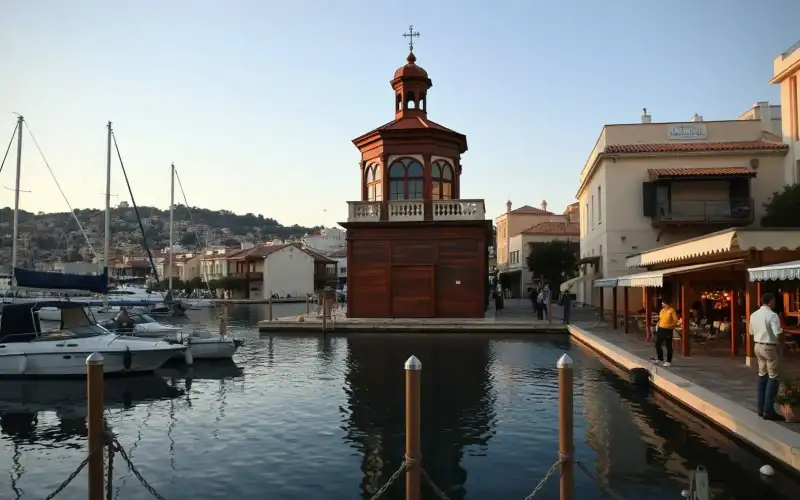
It was a Tuesday morning in March 2024 when I first noticed the shift. Standing at the crossroads of Agiou Andreou and Irinis in Limassol's Old Town, I watched a group of British expats navigate the narrow lanes with the ease of locals, while just 2 kilometres away, the Marina's promenade glittered with new development and designer restaurants. That moment crystallised what many visitors to Cyprus struggle with: Limassol isn't one place anymore. It's two distinct worlds, and choosing between them can make or break your holiday budget and experience.
For nearly two decades, I've tracked how these neighbourhoods have evolved. The Marina transformed from a quiet fishing port into a cosmopolitan hub. The Old Town, meanwhile, has resisted gentrification with surprising stubbornness, keeping its soul intact while slowly attracting a different kind of traveller. Neither is objectively better—but they're radically different propositions for different people.
Understanding the Two Limassols
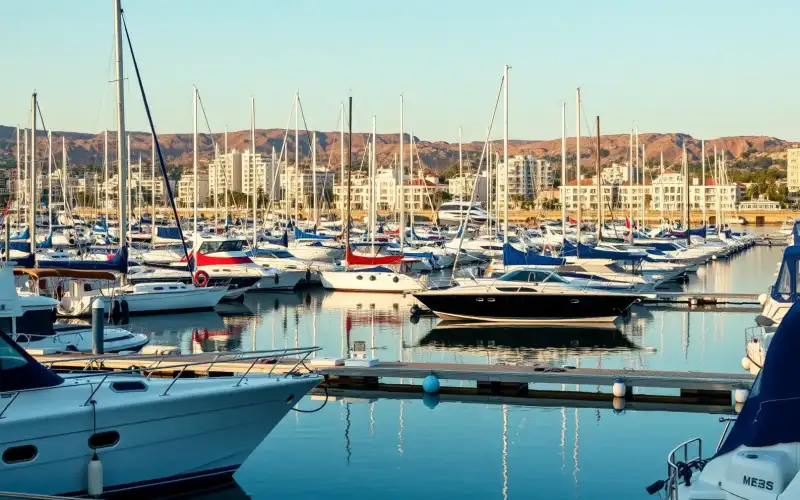
The Marina stretches along the waterfront from the castle southward, encompassing everything from the gleaming new apartment complexes to the yacht clubs and upmarket restaurants. It's modern, polished, and unapologetically contemporary. The Old Town, by contrast, occupies the grid of streets inland from the castle—a labyrinth of Byzantine churches, family-run tavernas, and residential buildings that haven't changed much since the 1970s.
The distance between them is only about 2 kilometres, but psychologically they feel continents apart. When you're sitting at a Marina café sipping an espresso that costs €4.50, you're in a different Cyprus than when you're nursing a glass of local wine in an Old Town ouzo bar for €2. Both are authentic. Both are Limassol. But they serve fundamentally different traveller profiles.
Accommodation Costs: Where Your Budget Actually Stretches
Let's start with the numbers, because this is where the comparison becomes concrete. I've spent 2026 monitoring apartment and villa rental prices across both areas, and the differences are stark.
Marina accommodation for a one-bedroom apartment in a modern building averages €950–€1,400 per month for a holiday let, or €80–€120 per night for shorter stays. Two-bedroom villas with sea views run €1,800–€2,800 monthly. These are newly constructed, often with gyms, pools, and parking included. The quality is consistent—you know what you're getting.
Old Town apartments tell a different story. A comparable one-bedroom in a traditional building (and they are traditional—many are pre-1990) runs €450–€750 monthly, or €40–€65 per night. Two-bedroom villas, often with courtyards and character, cost €900–€1,400 monthly. The trade-off is obvious: you're paying less, but you're also getting older infrastructure, fewer amenities, and sometimes no lift or parking.
For a family of four staying three weeks in 2026, choosing the Old Town over the Marina could save you €1,200–€2,100. That's not negligible. It's the difference between a budget holiday and a luxury one, or between affording Cyprus at all and skipping it entirely.
Hidden Costs Beyond Rent
But accommodation is only part of the equation. The Marina's higher prices extend to everything: a coffee costs 40% more, a restaurant meal 50–60% more, even a litre of milk at the local shop carries a premium. The Old Town, being residential, has cheaper local shops and tavernas that cater to Cypriot families rather than tourists.
Parking is free in the Old Town (on the street, with some restrictions). At the Marina, if your apartment doesn't include it, expect €100–€150 monthly. Utilities also differ—Marina apartments, being newer, are more energy-efficient, potentially saving you €30–€50 monthly in summer air conditioning.
Atmosphere & Social Scene: The Intangible Difference
Numbers don't capture everything. The atmosphere is where these neighbourhoods truly diverge.
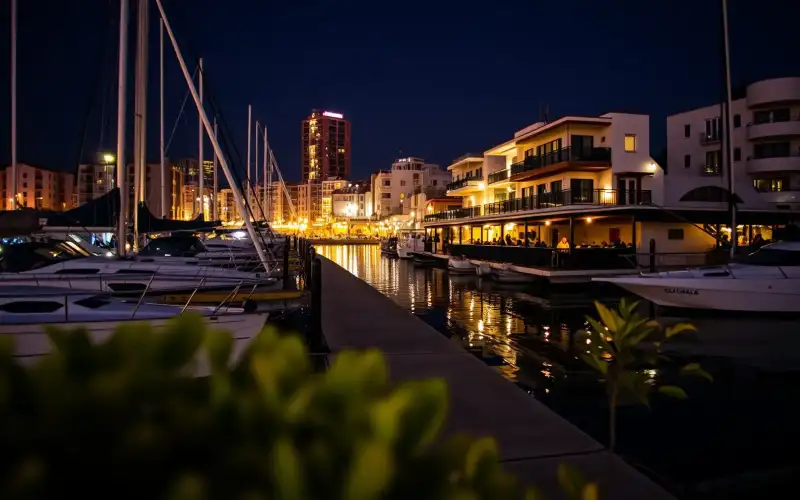
The Marina is social in a particular way. It's designed for movement and socialising—the promenade is pedestrianised, lined with restaurants and bars, and always busy. You'll see families, couples, business travellers, and expats. The vibe is cosmopolitan, slightly formal, and unmistakably contemporary. In summer 2026, the Marina hosts regular events—wine tastings, jazz evenings, food festivals. It's easy to meet people here, but you're meeting them in a curated environment.
The Marina appeals to those who want convenience, safety, and the feeling of being in a modern European city. If you're working remotely, the Marina has better Wi-Fi infrastructure and more coffee shops with laptop-friendly seating. If you want to feel like you're on holiday in a recognisable way, the Marina delivers.
The Old Town is slower, quieter, and more authentically Cypriot. The social scene is less manufactured—it happens organically in the narrow streets, in family tavernas where the owner knows everyone, in the evening volta (the traditional evening stroll). You'll hear Greek, not English, in most shops. The architecture is lived-in, sometimes crumbling, often beautiful in an unglamorous way.
The Old Town suits people who want to experience Cyprus as it actually is, not as it's been packaged for tourism. It's better for writers, artists, and people seeking solitude. It's also better for anyone wanting to practise their Greek or build genuine local friendships. The trade-off is that you might feel isolated if you're travelling alone or seeking a social hub.
Dining & Wine Culture
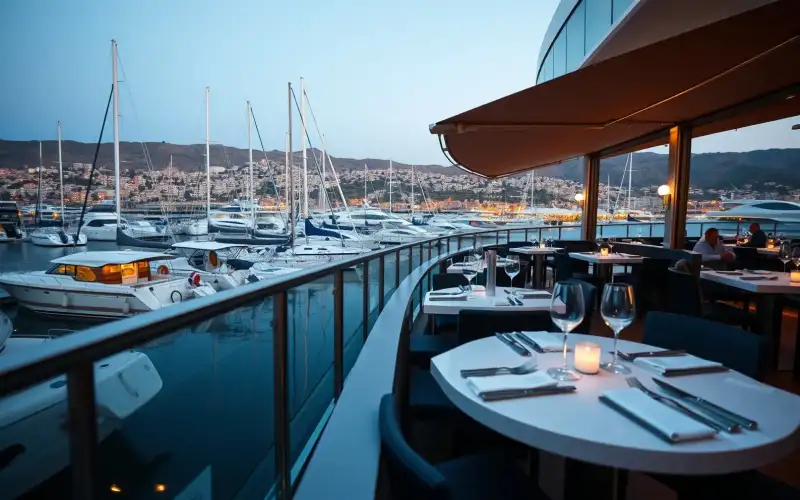
Both neighbourhoods have excellent restaurants, but the character differs entirely. The Marina has fine dining—Mediterranean fusion, modern gastropubs, international chains. Mains run €18–€35. The Old Town has traditional tavernas where a three-course meal with wine costs €15–€22. Neither is better; it depends what you want.
For wine enthusiasts, the Old Town edges ahead. It's closer to the wine bars and smaller producers, and the taverna owners are more likely to have interesting local bottles. The Marina's wine scene is more polished but less adventurous.
Accessibility & Getting Around
The Marina is more walkable for daily needs. Everything—restaurants, shops, beach access—is within 10–15 minutes on foot. Public transport (the local EMEL buses) is less essential here, though buses do run along the seafront.
The Old Town is also walkable, but the layout is more confusing for newcomers. You'll need a map app initially. However, once you settle in, the compact size becomes an advantage. Most errands are within five minutes' walk. Public transport is better integrated here—the main bus station (EMEL) is on the edge of the Old Town, making it easier to reach other parts of Cyprus.
If you're renting a car, the Marina has dedicated parking (paid or included with apartments). The Old Town is trickier—street parking is limited, and some narrow lanes are inaccessible to vehicles. If you're planning day trips to the Troodos Mountains or Paphos, the Old Town's proximity to the bus station is a genuine advantage.
Beach Access
The Marina has direct beach access—the promenade leads straight to the sandy beaches of Dasoudi and beyond. The Old Town is 800 metres from the beach, a 10-minute walk. Not a dealbreaker, but worth considering if you're planning daily beach visits with small children.
Practical Comparison Table
| Factor | Marina | Old Town |
|---|---|---|
| Monthly Rent (1-bed apartment) | €950–€1,400 | €450–€750 |
| Nightly Rate (1-bed) | €80–€120 | €40–€65 |
| Average Restaurant Meal | €18–€35 | €8–€15 |
| Coffee | €3.50–€4.50 | €1.50–€2.50 |
| Parking Cost | €100–€150/month | Free (street) |
| Walkability | Excellent | Good (confusing layout) |
| Atmosphere | Modern, cosmopolitan | Traditional, local |
| Best For | Convenience, socialising | Budget, authenticity |
Who Should Choose Each Neighbourhood?
The Marina suits business travellers needing reliable infrastructure, families wanting safety and convenience, couples seeking a polished holiday experience, and anyone uncomfortable with older buildings or narrow streets. It's also better if you're staying only a week or two—you don't want to spend your limited time navigating an unfamiliar layout.
The Old Town suits budget travellers, cultural explorers, long-term visitors (three weeks or more), people interested in wine and local food, and anyone wanting to avoid the tourist infrastructure entirely. It's ideal if you're working remotely and don't need constant social interaction, or if you're researching Cyprus for writing or academic purposes.
Hybrid Approach: Using Both
Many visitors underestimate the option of splitting time between both areas. Rent an apartment in the Old Town for three weeks at €500–€600, then spend a final week at a Marina apartment to enjoy restaurants and beaches before flying home. Or reverse it—start at the Marina to acclimatise, then move to the Old Town for deeper exploration.
The two neighbourhoods are close enough (€2.50 by bus, 30 minutes walking) that you can base yourself in one and visit the other regularly. I've done this dozens of times—breakfast in the Old Town, lunch at the Marina, evening volta in the Old Town streets.
The Verdict: Budget Versus Experience
If your primary concern is budget, the Old Town wins decisively. You'll spend 40–50% less on accommodation and daily expenses while getting a more authentic Cyprus experience. If you have a comfortable budget and value convenience, modern amenities, and a social scene, the Marina is worth the premium.
But the real answer depends on who you are. I've seen wealthy travellers miserable in the Marina's sterility and budget travellers thriving there. I've watched anxious first-time visitors feel overwhelmed by the Old Town's maze-like streets and seasoned explorers feel suffocated by the Marina's uniformity.
In 2026, Limassol offers both experiences simultaneously. The choice isn't about which is objectively better—it's about which version of Cyprus you actually want to inhabit for your holiday. Choose accordingly, and you'll find exactly what you came for.

Comments (3 comments)