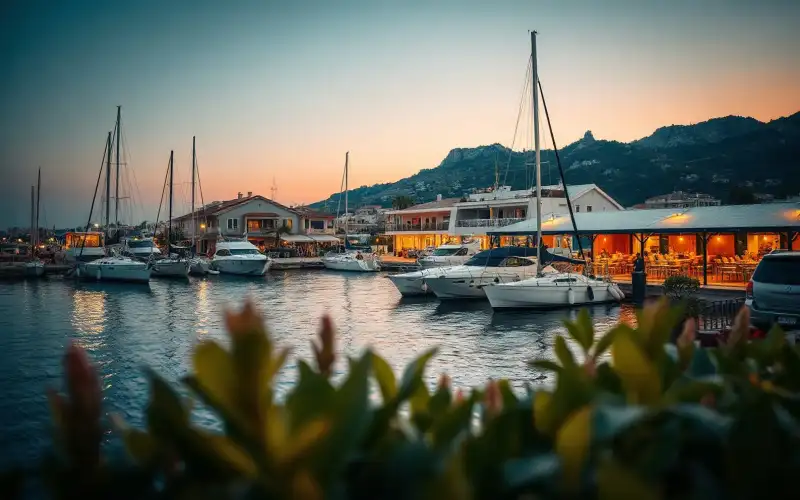
I arrived at Curium on a Thursday morning in late May 2026, notebook in hand and a vague memory of a conference the night before in Limassol's marina district. The ancient theatre was already warm, its stone seats baking under a cloudless sky, and I realised I'd made a rookie mistake: I'd scheduled the historical tour before the beach visit, not after. By the time I descended toward the coast, I was thoroughly parched and the irony wasn't lost on me—one of the Mediterranean's finest archaeological sites sits practically within spitting distance of some genuinely excellent swimming.
That's the thing about Curium that most guides undersell. Yes, you come for the theatre, the mosaics, the 12th-century Crusader castle ruins. But you stay—or at least, you should stay—because the beaches here are proper beaches, not afterthoughts. They're functional, they're beautiful, and they're far less crowded than the postcard-perfect stretches further east toward Paphos.
The Curium Landscape: History and Geography in One Sweep
Curium sits on the southwestern coast of Limassol district, roughly 20 kilometres west of Limassol city centre. The archaeological site perches on a dramatic limestone promontory about 70 metres above sea level, commanding views across the Akrotiri Peninsula toward the Troodos mountains. It's been inhabited since the Bronze Age, but the real showpiece is Greco-Roman—the theatre dates to around 100 AD, though the settlement itself goes back much further.
What makes Curium's location peculiar, in the best way, is that the beaches don't sit directly below the main site. Instead, they're scattered along the coastline to the east and west. The closest proper swimming beach is about 500 metres walk from the car park—manageable in good shoes, slightly less so in flip-flops under a June sun, which I learned the hard way.
The geology here is distinctive. Unlike the sandy, gently shelving beaches you find near Larnaca or Paphos, Curium's shores are a mix of sand, pebbles, and rocky outcrops. The water clarity is exceptional—visibility often exceeds 10 metres—because the coastline doesn't face the main shipping lanes and there's minimal sediment runoff. The seabed drops away fairly steeply, which means you're swimming in proper depth within a few metres of the shore.
The area is also less developed than other Limassol beach zones. There are no sprawling resort complexes, no jet-ski rental operations, no aggressive sunbed vendors. This is partly because Curium is a protected archaeological site, partly because the coastline here is more rugged, and partly because many British visitors simply don't know it exists.
The Best Beaches Near Curium: A Practical Breakdown
Curium Beach (Kourion Beach)
The main public beach sits immediately east of the archaeological site, accessed via a marked footpath from the car park. It's roughly 300 metres of sand and small pebbles, shelving gradually into clear water. During my May visit, the beach was perhaps 40% occupied mid-morning—mostly local families and a handful of older European tourists. By contrast, beaches near Limassol city can be wall-to-wall by 11 AM.
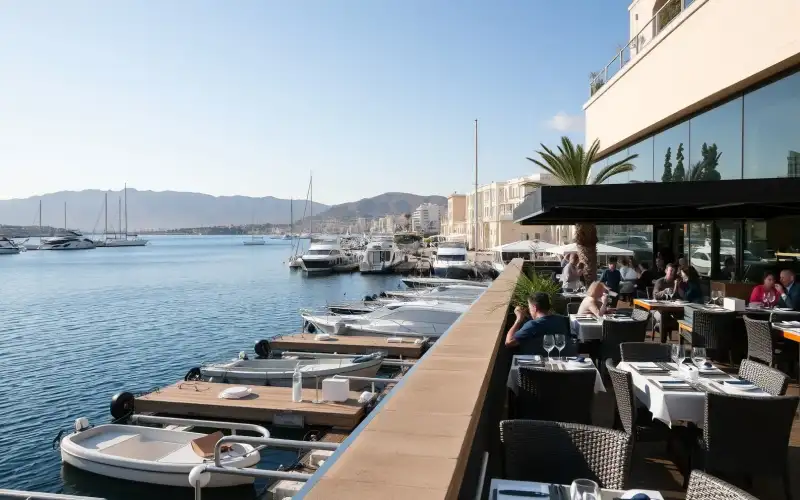
Facilities here are basic but adequate. There's a single taverna (Taverna Kourion) operating from Easter through October, serving standard Greek-Cypriot fare—souvlaki, grilled fish, village salads, cold beer. Sunbeds and umbrellas are available for €5 per day (2026 prices), or you can bring your own. The taverna opens at 10 AM, closes around 8 PM. Parking is free, located in a gravel lot about 100 metres from the beach entrance. There are no formal changing facilities, though the taverna allows customers to use a basic shower.
The water temperature in May was around 22°C—pleasant for swimming but not bathwater-warm. By July and August, it climbs to 26–27°C. The beach faces south-southwest, so it catches sun from early morning through late afternoon. Afternoon winds can kick up a bit of chop, but it's rarely rough enough to discourage swimming.
Evdimou Beach (West of Curium)
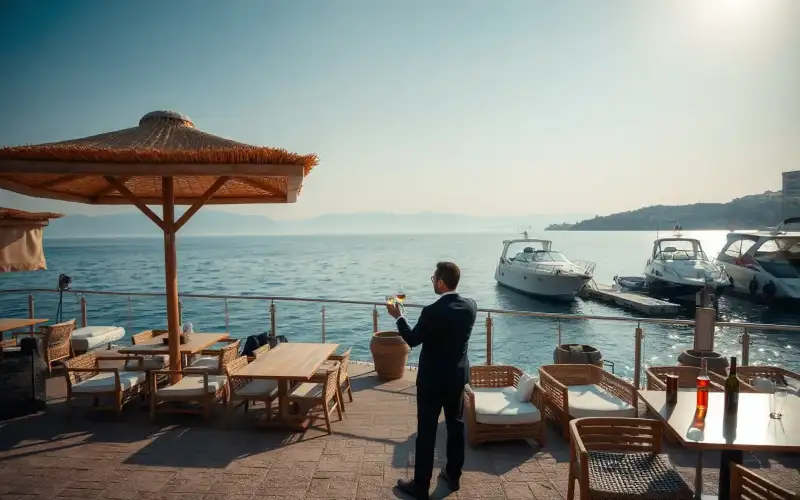
About 2 kilometres west of the main site, accessible via the coastal road, sits Evdimou—a smaller, quieter alternative. This is a working fishing village, not a resort, which means the beach has character but fewer amenities. There's a single fish taverna right on the sand, a handful of fishing boats, and room for maybe 50 sunbathers before it feels crowded.
The sand here is slightly coarser and more golden than at Curium proper. The beach is shorter—perhaps 150 metres—but it faces the same direction and has the same clear water. Parking is informal (roadside, free). There are no sunbeds for rent, though the taverna will let you sit at a table on the sand if you order food. The taverna is reliable but basic: grilled octopus, fresh white fish, local wine.
Evdimou appeals to visitors seeking isolation and authenticity over convenience. It's the sort of place where you might spend an afternoon reading, swimming, and eating fresh fish without seeing another tourist. I spent a morning there in late May and counted exactly three other people on the beach.
Akrotiri Peninsula Beaches (East of Curium)
Heading east from the main Curium site, the coastline becomes rockier and more dramatic. There are several small coves accessible via footpaths, though they're less developed than the main beach. One, informally called
Comments (4 comments)