
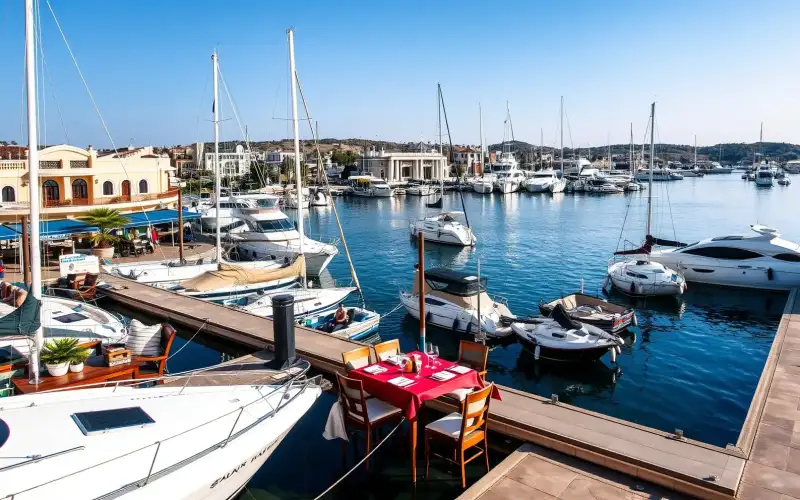
Last May, standing at the edge of Limassol Marina at dusk, I watched a Sunseeker 86 motor yacht ease into its berth while diners at adjacent restaurants barely glanced up from their plates. Three hundred kilometres east, in Ayia Napa, the same hour brings a different roar—beach clubs cranking bass, parasails dotting the sky in a chaotic ballet, and thousands of young Europeans converging on clubs with names that change faster than the DJ rotation. Both are Cyprus destinations. Both sit on the Mediterranean. They might as well be on different planets.
The choice between Limassol Marina and Ayia Napa has become the defining question for British travellers planning a 2026 Cyprus holiday. It's not simply a matter of distance or price, though those matter. It's about what kind of traveller you are, what you want your Mediterranean experience to feel like, and whether you're seeking the pulse of Euro-club culture or the measured sophistication of a working harbour town that happens to be beautiful.
The Headline Statistic: Two Resorts, Two Markets
Here's the data that frames everything: Ayia Napa attracts approximately 2.3 million visitors annually (2025 figures), with peak season running May through September. Limassol Marina, by contrast, draws around 890,000 to the wider Limassol area, but the marina district itself—the refined waterfront zone—operates on an entirely different scale. The marina hosts 460 mooring berths, with an average yacht value exceeding €2.1 million. Ayia Napa's tourism is volume-driven; Limassol Marina's is value-driven.
The age demographic split is equally telling. Ayia Napa's visitor base skews heavily toward 18-35 year-olds, with British twenty-somethings representing roughly 35% of summer visitors. Limassol Marina attracts a median age of 42, with business travellers, wine enthusiasts, and luxury holidaymakers comprising the core audience. This isn't snobbery—it's simply different infrastructure serving different needs.
Atmosphere and the Texture of Experience
Limassol Marina: The Working Harbour Aesthetic
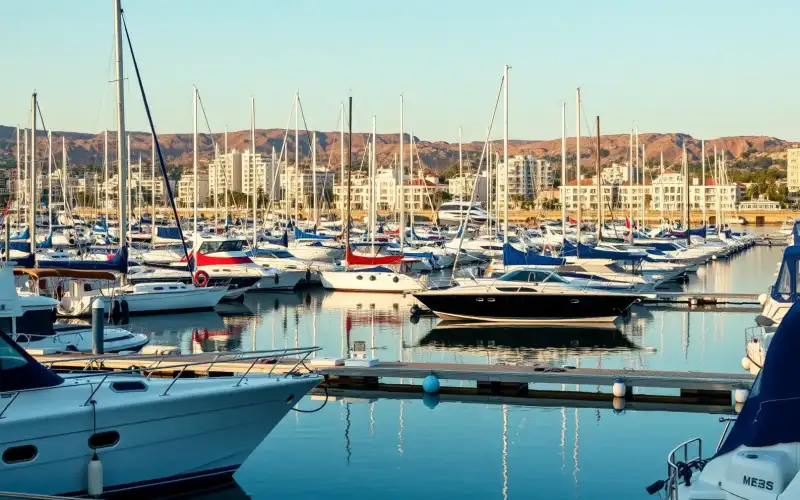
Limassol Marina opened in 2014, and by 2026, it has matured into something genuinely rare in Mediterranean resorts: a functional, elegant working waterfront. The 600-metre promenade isn't a theme park. It's a place where Cypriot families walk on Sunday mornings, where business lunches happen at noon, where the evening crowd includes locals who live in the surrounding apartment blocks, not just tourists queuing for photos.
The aesthetic is contemporary Mediterranean—clean lines, natural stone, carefully curated landscaping. You'll see Michelin-trained chefs through restaurant windows. You'll notice the calibre of the yachts: these aren't charter boats; they're owned vessels, often registered in the Marshall Islands or Malta. The marina's central plaza hosts a farmer's market on Thursday mornings, a Christmas market in December, and an occasional art installation. Last year, a temporary bronze sculpture by a Berlin-based artist occupied the central space for three months. It was subtle. Most tourists didn't notice.
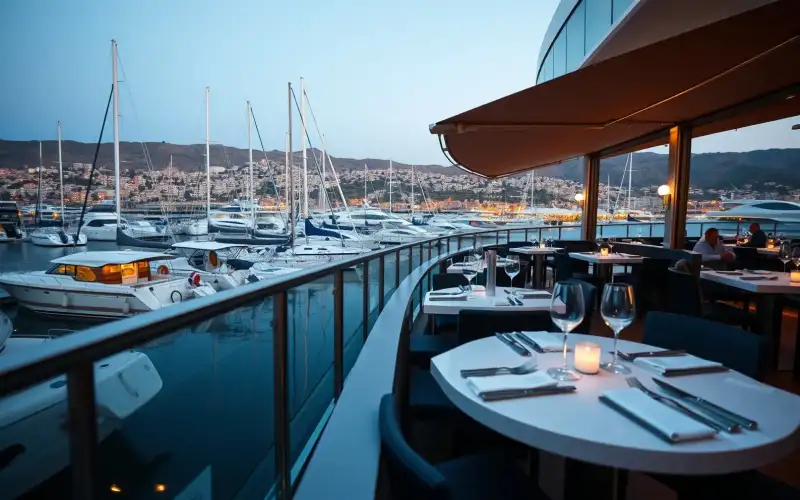
The sound profile is entirely different from Ayia Napa. Here, you hear cutlery on plates, low conversation, the occasional clinking of rigging against masts when the wind picks up. There's no manufactured atmosphere. The marina works because it's real—because people actually use it for its stated purpose rather than as a venue for performance.
Ayia Napa: The Engineered Entertainment Zone
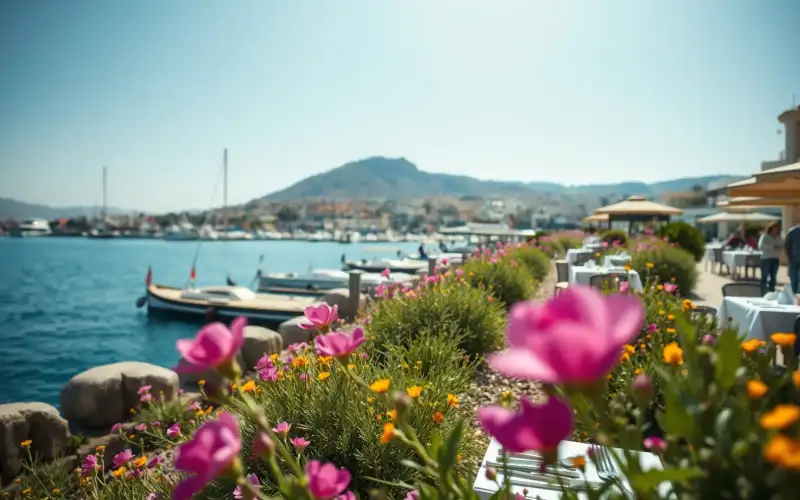
Ayia Napa, by contrast, is a resort engineered for maximum sensory stimulation. The town's entire economy pivots on creating an environment where young Europeans can lose themselves in a carefully constructed bubble of nightlife, beach clubs, and organized chaos. The seafront boulevard—Nissi Avenue and the surrounding cluster—is packed with neon signage, thudding sound systems, and the constant movement of thousands of people in summer months.
The atmosphere is genuinely fun if that's what you want. The energy is infectious. Beach clubs like Nissi Beach and Landa Beach have perfected the formula of loungers, cold beer, DJs, and the Mediterranean sun. The clubs themselves—Ayia Napa Club, Venue, Castle—operate on a scale of production that requires serious infrastructure and capital. They're nightlife factories, efficient and thoroughly professional. But they're also exhausting if you're not in the target demographic. By 3 a.m. in summer, the streets are rivers of people. By noon the next day, the same streets are packed with hungover tourists ordering fry-ups and painkillers.
Dining: Philosophy and Execution
Limassol Marina's Culinary Landscape
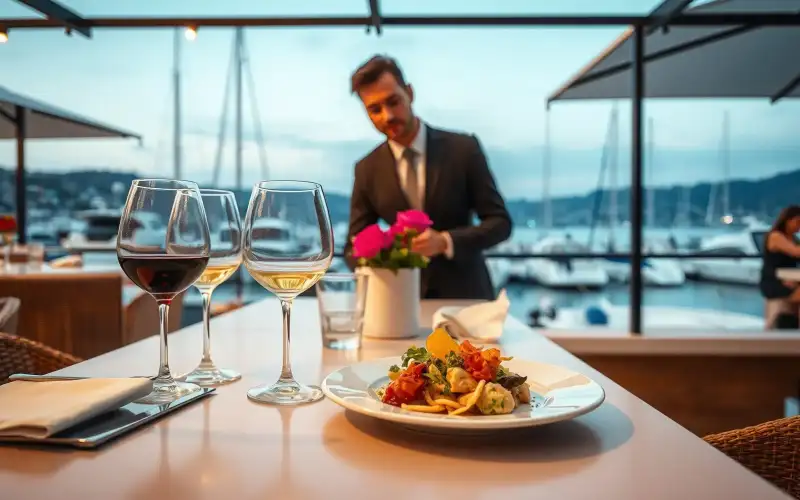
The marina hosts approximately 18 restaurants and lounges. This is deliberate restraint—not saturation. The quality threshold is high. You'll find Opus, run by chef Tassos Karanassios, who trained at the Culinary Institute of America and sources fish daily from the adjacent working harbour. There's Balti House, which serves Indian cuisine at a level that would be unremarkable in London but feels revelatory in a Mediterranean resort. Thalassa offers contemporary Greek cuisine with technical precision. An average dinner for two at these establishments runs €65-€120 before wine.
The wine list at many marina restaurants reflects Cyprus's serious wine renaissance. The island now has over 80 wineries producing world-class Xynisteri and Maratheftiko wines. Marina restaurants stock local producers like KEO, Arsinoe, and smaller boutique labels from the Troodos Mountains. A bottle of quality Cypriot wine runs €28-€60. The conversation around wine is genuine—staff can actually discuss the wines they're serving.
Casual dining exists too—cafés, delis, Italian options—but even these maintain standards. A coffee at a marina café costs €2.50-€3.50. A casual lunch of grilled fish and salad runs €18-€28 per person.
Ayia Napa's Dining as Logistics
Ayia Napa's food scene operates on volume and speed. There are approximately 240 restaurants, tavernas, and food outlets in the town. The majority serve tourists efficiently and cheaply. A full English breakfast costs €6-€9. Souvlaki wraps cost €3.50-€5. Fish and chips runs €7-€11. These are genuinely good value, and the food is edible.
The problem isn't quality per se—it's intention. Most Ayia Napa dining is transactional. You eat quickly so you can get back to the beach or prepare for nightlife. The restaurants are interchangeable. You could be eating the same kebab in Magaluf or Benidorm. The relationship between food and place is severed.
There are exceptions. The Famagusta area has a few quality tavernas serving traditional Cypriot meze (small plates) in family-run settings. But these are outliers, not the norm. Wine selection in most Ayia Napa restaurants is basic—perhaps three or four house wines. The conversation about food is minimal.
Water Sports and Active Pursuits: Cost and Accessibility
Limassol's Diversified Offerings
Limassol's position on the island's southern coast makes it ideal for water sports, but the offerings are more varied and less aggressive than Ayia Napa's.
Diving: The nearby site of Zenobia wreck (about 45 minutes by boat) is one of the Mediterranean's finest diving destinations. The cargo ship sank in 1979 and now sits at 42 metres depth. Advanced divers explore the wreck; recreational divers explore the surrounding reefs. Dive operators like Dive In and Nautilus charge €60-€90 for a single dive, €280-€350 for a four-dive PADI certification course. Scuba diving appeals to a different mindset than parasailing—it requires patience, training, and genuine technical interest.
Sailing and Yachting: This is where Limassol distinguishes itself. The marina hosts multiple sailing schools. A half-day sailing lesson on a monohull costs €75-€120 per person. A full-day bareboat charter (you skipper yourself) for a small catamaran runs €400-€600 per day. For those without experience, skippered charters (boat plus professional captain) cost €850-€1,400 daily. These aren't cheap, but they're an entirely different category of experience from parasailing. You're actually sailing a vessel, learning a skill, engaging with the Mediterranean as a dynamic environment rather than a backdrop.
Jet Skiing and Banana Boats: Yes, Limassol has these too, but they're less dominant than in Ayia Napa. Jet ski rentals run €60-€90 for 30 minutes. Banana boat rides (five to eight people towed behind a speedboat) cost €20-€30 per person for 15-minute sessions. They're available, but they're not the primary activity.
Ayia Napa's Industrialized Water Sports
Ayia Napa's water sports are organized, efficient, and relentless. The primary beach—Nissi Beach—has multiple operators, each running parasailing, jet skis, banana boats, and inflatable water toys on rotation throughout the day.
Parasailing: This is the signature Ayia Napa experience. A 15-minute parasail flight costs €35-€50. The operators work in assembly-line fashion—boat loads of people launched every 20 minutes during peak season. It's safe, professional, and utterly impersonal. On a busy day in July, 400-600 people parasail in Ayia Napa.
Jet Skiing: €40-€70 for 30 minutes. Rentals are readily available at multiple beaches. Operator professionalism varies. Some are careful; others are cavalier about safety briefings.
Banana Boats and Inflatables: €15-€25 per person for 15-minute rides. Multiple varieties—donuts, tubes, rings—keep the activity fresh. The boats run constantly during summer.
Diving: Ayia Napa has several dive operators, but the nearby sites are shallower and less dramatic than Limassol's. A single dive costs €50-€70. The PADI certification course is €250-€320. Many divers report that Ayia Napa diving is adequate for beginners but less compelling for advanced divers.
The fundamental difference: Limassol's water sports tend toward skill-building and engagement. Ayia Napa's are entertainment products—brief, intense, and designed to be consumed quickly before moving to the next activity.
Nightlife and Evening Culture
Limassol's Measured Social Scene
Limassol has bars, lounges, and clubs, but they operate on a human scale. The Old Town area (inland from the marina, about 10 minutes' walk) has traditional tavernas and ouzo bars where locals drink. The marina itself has cocktail bars—Enjoy, Lexington, Balti Lounge—where the evening crowd is mixed: business travellers, couples, local professionals. The atmosphere is social without being forced.
There are clubs—Lexington Club, Vogue—but they're nothing like Ayia Napa's mega-venues. A night out in Limassol might mean a drink at the marina around 8 p.m., dinner at 9 p.m., perhaps a club or bar around 11 p.m. The evening unfolds naturally. Most visitors are back in their hotels by 2 a.m.
Ayia Napa's Engineered Nightlife
Ayia Napa's entire town is essentially a nightlife machine. The clubs are enormous—Venue holds 3,500 people, Ayia Napa Club holds 2,000. They operate May through October, with peak season (July-August) seeing multiple DJs and themed nights. Entry costs €15-€30. Drinks inside cost €6-€10 for beer, €10-€15 for cocktails. A night out typically means beach clubs in the afternoon, dinner around 9 p.m., club entry around 11 p.m., and dancing until 4-5 a.m.
The experience is carefully choreographed. Pre-club parties organize group transportation. Hotels offer club packages. The entire infrastructure is designed to move thousands of people through a standardized nightlife sequence. It works brilliantly if you're 25 and want that experience. It's overwhelming if you're not.
Accommodation and Value Proposition
This is where the price differential becomes stark. In Ayia Napa, a mid-range hotel room (3-star, beachfront) costs €60-€95 per night in summer. Budget accommodations run €35-€60. Luxury 5-star properties run €150-€250. The sheer volume of rooms (over 15,000 across the town) keeps prices competitive through supply.
Limassol Marina accommodations are fewer and pricier. Hotels like the Radisson Blu Marina and the Sunray Apartments run €110-€180 for mid-range rooms, €250-€400 for luxury. Apartment rentals near the marina run €80-€150 per night. There's less volume, which means less price pressure. But you're also paying for a more refined location, quieter evenings, and proximity to better restaurants.
For a week's accommodation, Ayia Napa costs roughly 40-50% less than Limassol Marina. This is significant for budget-conscious travellers but negligible for those with discretionary income.
The Practical Comparison: A Table
| Category | Limassol Marina | Ayia Napa |
|---|---|---|
| Visitor Volume (Annual) | ~890,000 (wider area) | ~2.3 million |
| Median Age | 42 years | 28 years |
| Peak Season | May-October | May-October (intense July-Aug) |
| Hotel Room (Mid-range, Summer) | €110-€180 | €60-€95 |
| Casual Dinner for Two | €35-€50 | €14-€22 |
| Fine Dining for Two | €80-€120 | €35-€60 |
| Single Parasail | Not primary offering | €35-€50 |
| Diving Course (PADI) | €280-€350 | €250-€320 |
| Half-day Sailing Lesson | €75-€120 | Not available |
| Club Entry | €10-€20 (or free) | €15-€30 |
Which Resort Matches Your Travel Style?
Choose Limassol Marina If:
- You're 35 or older and value atmosphere over volume. The refined harbour setting appeals to travellers who want to feel immersed in a real place rather than a resort bubble.
- You have genuine interest in sailing, yachting, or maritime culture. The sailing schools and charter options are unmatched in Cyprus.
- You appreciate wine and want to explore Cyprus's wine industry. The marina's restaurants have serious wine programs, and day trips to Troodos wineries are easily arranged.
- You're a business traveller combining work and leisure. Limassol has proper business infrastructure—reliable WiFi, quiet working spaces, professional dining for client meetings.
- You want Mediterranean culture without the party scene. The Old Town's traditional tavernas, the local market, the art installations—these offer genuine cultural texture.
- You have a higher budget and expect quality over quantity. Everything in Limassol costs more, but the experience is more refined.
Choose Ayia Napa If:
- You're under 40 and want an energetic, social holiday. The nightlife scene is unparalleled on the island.
- You're budget-conscious. Accommodation, food, and activities are 40-50% cheaper than Limassol.
- You want maximum entertainment options and minimal downtime. The beach clubs, water sports, and clubs run continuously.
- You're travelling with a group of friends seeking a party holiday. The infrastructure—group packages, pre-club parties, organized activities—caters to this perfectly.
- You want simplicity. Ayia Napa is straightforward: beach during the day, food and drink in the evening, clubs at night. No cultural pretence, no complexity.
- You're interested in intensive water sports. Parasailing, jet skiing, and banana boats are available constantly and cheaply.
The Cosmopolitan Reality
Here's what neither resort fully advertises: cosmopolitan travel isn't just about sophistication. It's about seeing the world clearly, without illusion. Limassol Marina offers genuine cosmopolitanism—a working harbour where multiple cultures converge around practical activity. Ayia Napa offers something different: the authentic cosmopolitanism of mass tourism, where thousands of Europeans converge to create a shared temporary culture.
The question isn't which is better. It's which authenticity appeals to you. Limassol Marina is authentic as a place. Ayia Napa is authentic as a phenomenon. One reflects the Mediterranean's real economy and culture. The other reflects how contemporary Europeans want to play in the Mediterranean.
For British travellers accustomed to cosmopolitan London or Manchester, Limassol Marina likely feels more familiar—a civilised waterfront with good restaurants and professional service. For younger travellers seeking escape and intensity, Ayia Napa delivers precisely what it promises: unbuffered, maximum-intensity beach holiday culture.
The 2026 season will see both resorts busy. Book early if you're considering either. Limassol Marina's accommodation fills quickly among the 40+ crowd. Ayia Napa's rooms, despite their volume, sell out during July and August. The choice, ultimately, is about which version of Mediterranean leisure speaks to who you are right now.
Comments (3 comments)