
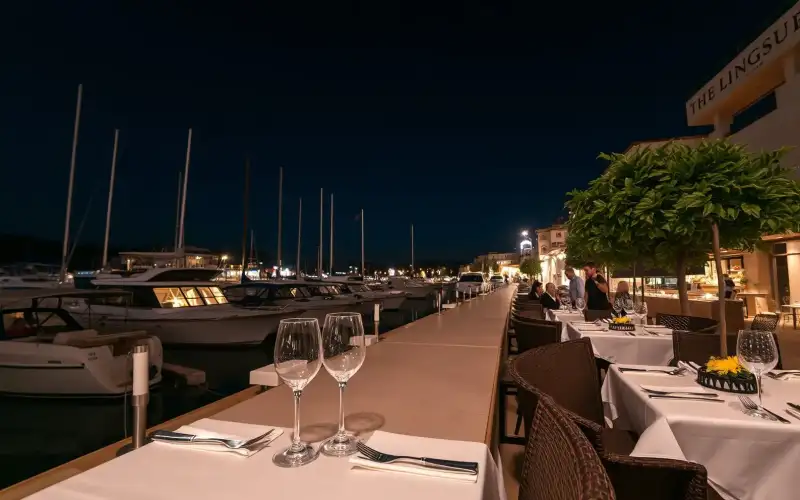
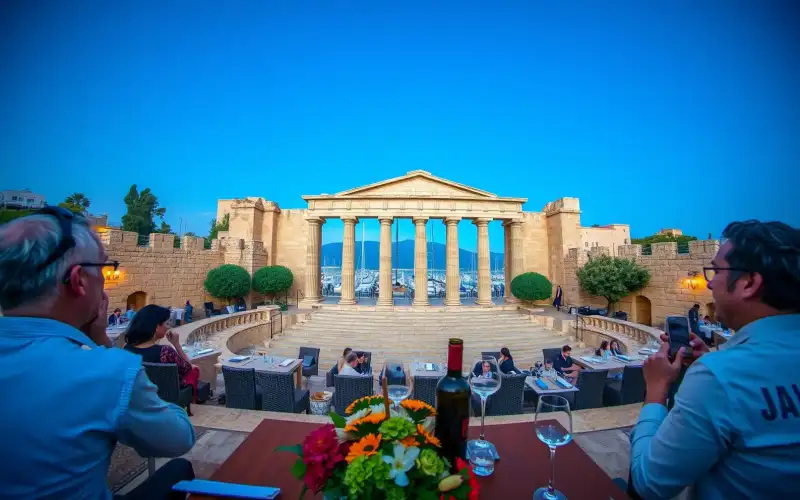
Last April, I watched a five-year-old boy convince his parents that standing in the 2,000-year-old orchestra pit at Curium Ancient Theatre was exactly where ancient actors had performed. He wasn't wrong—and his parents, who'd expected a tedious afternoon of archaeological lecturing, found themselves genuinely moved. That's Limassol for families in a nutshell: the unexpected moments where history becomes tangible, beaches deliver actual relaxation, and dinner doesn't end in tears.
The problem most families face when planning a Limassol holiday isn't a shortage of things to do. It's the opposite. Between Mediterranean beaches, a castle in the town centre, Unesco-adjacent archaeological sites, wineries, water sports, and a marina lined with restaurants, parents quickly become overwhelmed. Add the logistics of keeping children entertained, fed at reasonable hours, and not exhausted, and the planning becomes genuinely complex. How do you balance a toddler's need for beach time with a teenager's interest in history? Where can you actually eat dinner without feeling like you're imposing your children on other diners? And what's a realistic budget for a family of four?
Understanding the Real Constraints of Family Travel in Limassol
Limassol isn't designed as a family resort in the way, say, Orlando is. There are no mega-attractions specifically built for children. Instead, it's a working port city and wine region that happens to have excellent beaches, compelling history, and genuinely sophisticated dining. For families, this is both blessing and curse.
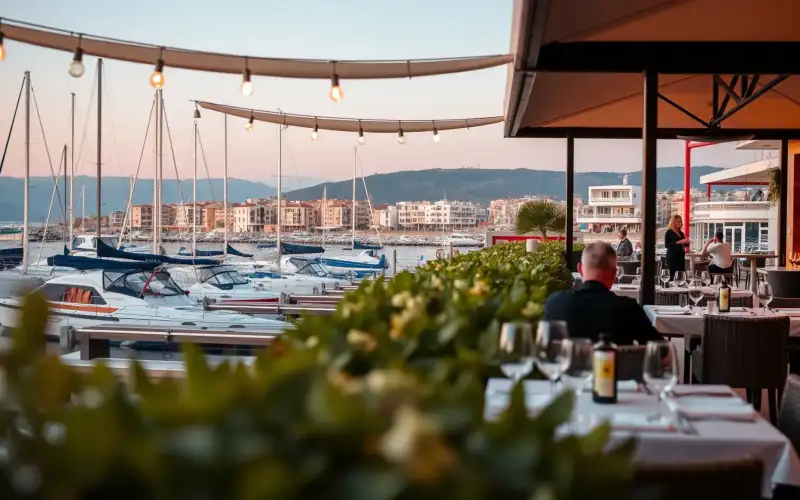
The blessing: your children will encounter real Cyprus—local life, actual archaeological sites, food that tastes like something rather than a franchise approximation. The curse: everything requires slightly more planning. Dasoudi Beach, for instance, is magnificent—a long sandy crescent backed by tamarisk trees and a beach bar serving decent coffee. But it fills up by 10 a.m. in summer, parking becomes a puzzle, and the nearest toilet facilities are at the beach bar (where you're expected to buy something). Lady's Mile Beach, further south, is less crowded and has a more relaxed feel, but it's a 15-minute drive from the Marina district where most family-friendly restaurants cluster.
The archaeological sites—Curium Ancient Theatre and the nearby Sanctuary of Apollo—are genuinely spectacular. But they're not air-conditioned, there's minimal shade, and children under six often lose interest after 20 minutes unless you've prepared them with stories or a scavenger hunt. Limassol Castle, in the old town, is compact and manageable (about 45 minutes to two hours depending on children's ages), but the exhibits are sparse and the labelling is minimal. You'll need to either hire a guide or download an app beforehand.
Solving the Beach Problem: Timing, Logistics, and Realistic Expectations
Start with this: arrive at Dasoudi Beach by 8:45 a.m., not 10 a.m. The difference between a relaxed morning and a frantic scramble for parking is 75 minutes. In summer 2026, expect to pay €3 for parking (up from €2.50 in 2025). The beach bar, Dasoudi Taverna, opens at 8 a.m. and serves decent breakfast—Greek yoghurt with honey, fresh juice, coffee—at €6–€12 per person. If you're staying in the Marina district, it's a ten-minute drive or a €6–€8 taxi ride.
Bring: a beach umbrella (essential—the sun here is relentless), reef shoes for children (the sand can be hot and there are occasional rocky patches), and a dry bag for phones and keys. The sea temperature in July and August averages 26°C, warm enough for toddlers. In May or September, it's 22–23°C, which is still swimmable but requires a wetsuit for younger children who'll be in the water for hours.
For a change of pace, Lady's Mile Beach is worth the drive. It's less developed, with a single beach bar (Thalassa), and it attracts fewer day-trippers. The sand is fine and the slope is gentle—excellent for toddlers. Parking is free and plentiful. A coffee and pastry at Thalassa runs €5–€9. The trade-off: it's 20 minutes south of the Marina, and there are fewer facilities.
A realistic day at either beach: arrive early, swim and play until 11:30 a.m., have a light snack at the beach bar, rest under an umbrella during the hottest hours (1–3 p.m.), then return to swimming or a walk along the shore. By 4 p.m., most families are heading back to accommodation for a rest before dinner. This rhythm avoids the exhaustion and sunburn that plague families who try to stay on the beach all day.
Making History Accessible: Curium, Apollo, and Limassol Castle
Curium Ancient Theatre sits on a clifftop 20 km west of Limassol, overlooking the Mediterranean. The drive takes 25–30 minutes. Entrance is €4.50 per adult, €2.25 per child (ages 6–12), and free for under-sixes. The site is open year-round, 8 a.m. to sunset.
The trick to making this work with children is preparation. Before you arrive, tell them a specific story—not a generic history lesson, but a narrative. For instance:
Comments (4 comments)