
The Taxi Ride That Changed My Risk Calculus
Three years ago, I arrived at Larnaca airport at 11:47 pm after a delayed flight from London. My driver—Yiannis, a taciturn man in his sixties—took the coastal road toward Limassol instead of the motorway. I asked why. "Road work," he said, then added without prompting: "Also safer this way at night. You see the lights. You see what's coming." That comment stuck with me. Not because Limassol is some crime-ridden hellhole—it isn't—but because it revealed something most travel guides miss: safety here is granular, contextual, and heavily dependent on where you are and when.
I've spent roughly eighteen months cumulatively in Limassol since 2009, attending fintech conferences, shipping industry summits, and wine trade events. I've stayed in the Marina district, the Old Town, and out toward Potamos Germasogia. I've worked late in office buildings near the port, grabbed midnight souvlaki in Agios Athanasios, and walked back to my hotel at 1 am on a Tuesday. I've also been pickpocketed once—at a crowded café near the castle, my own fault entirely—and seen two minor scuffles outside clubs on Friday nights. So let me be direct: Limassol is, by most objective measures, a safe city for business travelers. But "safe" requires context, and context requires honesty.
What the Numbers Actually Say
Cyprus's crime statistics are genuinely reassuring compared to most European cities. According to the Cyprus Police 2024 annual report (the most recent comprehensive data), Limassol's crime rate per 100,000 residents sits at approximately 45 incidents, which is lower than Athens (around 80), Barcelona (around 95), or London (around 120). Violent crime—the metric that actually keeps business travelers awake—is even more marginal. In 2024, Limassol recorded 12 reported cases of aggravated assault across the entire year. That's 12 cases in a city of roughly 240,000 people.
But numbers need texture. The vast majority of reported crimes in Limassol fall into three categories: petty theft (mostly pickpocketing and car break-ins), burglary (concentrated in specific residential areas), and minor fraud (often involving holiday rental disputes or online commerce). Serious violent crime is genuinely rare. The Cyprus Police maintain a visible presence, and response times in the city center are typically under ten minutes. There's also a municipal police force separate from the national force, which adds a layer of local oversight that most travelers don't realize exists.
What's worth noting is that crime reporting in Cyprus has historically been inconsistent. Some incidents go unreported, particularly minor theft in tourist areas. Conversely, the police have been progressively more transparent about statistics since 2020, so the 2024 data is more reliable than figures from a decade ago. If you're the type to dig into official crime reports—and I suspect many business travelers are—the Cyprus Police website publishes quarterly breakdowns by district. Limassol's figures have been stable or declining for three consecutive years.
The Geography of Risk
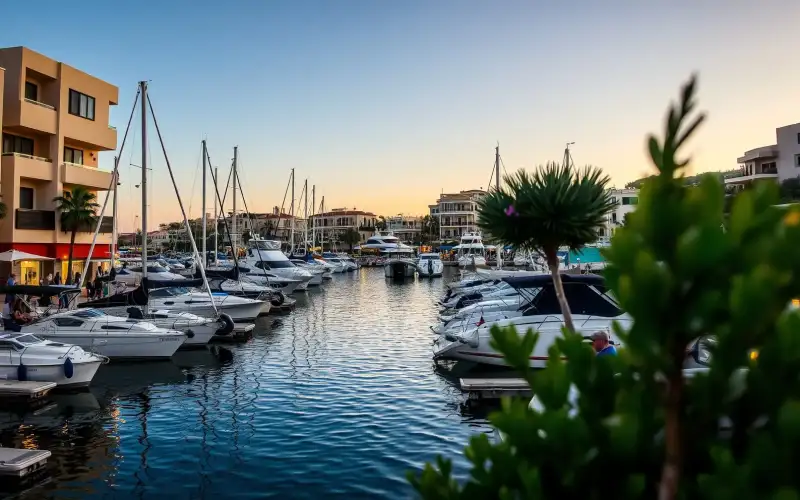
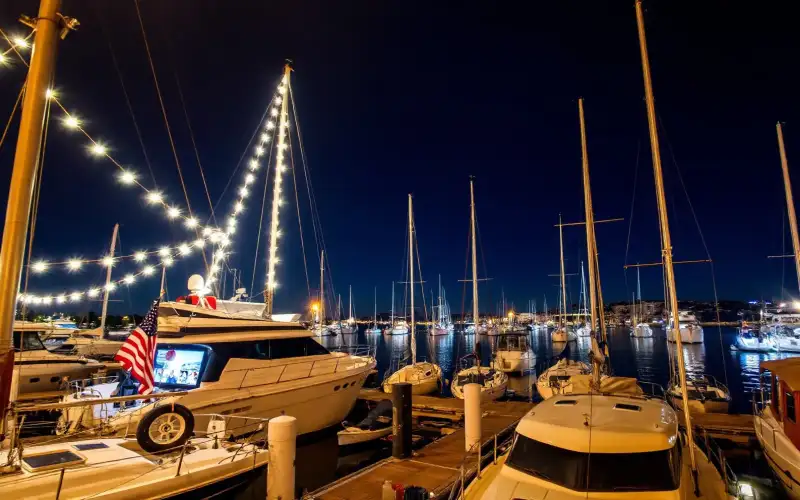
This is where granularity matters. Limassol isn't a uniform safety zone. The Marina area—where most business hotels cluster, including the Amathus Beach and the Crowne Plaza—is extremely well-lit, heavily patrolled, and populated even at night. The waterfront promenade, despite being a nightlife hub, has visible security and CCTV coverage. I've never felt unsafe there, even when leaving a late dinner at 11:30 pm on a weeknight.
The Old Town (Pano Poli) is more mixed. The main thoroughfares—28 Oktovriou Street, Agiou Andreou—are busy and safe during business hours and early evening. But venture into residential side streets after 10 pm, and you're in territory with fewer people, dimmer lighting, and less police presence. I've walked there at night without incident, but I've also been aware that I was doing so. Several colleagues have mentioned being followed briefly by individuals asking for cigarettes or money. Nothing escalated, but it's a reality of certain pockets.
Agios Athanasios, the neighborhood immediately north of the Marina, has undergone significant gentrification since 2020. The main strip—around Makariou Avenue—is now quite upscale, with modern restaurants and bars catering to the professional crowd. Crime there is minimal. However, a few blocks east, toward the residential areas bordering the motorway, the neighborhood is more working-class, and petty theft is slightly more common. Not dangerous, but worth being aware of.
The port area itself (Limassol Port) is restricted and heavily secured. If you're visiting shipping offices or attending port-related conferences, you'll be in secure, monitored zones. The surrounding industrial neighborhoods are not places to wander casually, particularly after dark, but that's true of port areas globally.
Transportation: The Safest and Least Safe Options
Getting around Limassol is where many business travelers make their first real safety decision. The city has no metro or train. Your options are taxis, ride-sharing apps, rental cars, or buses.
Taxis: Limassol has approximately 2,500 licensed taxis, all white with a red stripe and a meter. Using a metered taxi is safe and straightforward. Fares within the city center typically run €8–€15. The drivers are professional, and the industry is regulated. Agree on a price with unmarked or unmetered taxis, and you're inviting negotiation disputes later. I always use metered cabs or apps.
Ride-sharing apps: Uber and Bolt both operate in Limassol and have been expanding since 2023. They're slightly cheaper than taxis (€6–€12 for most city journeys) and provide the same accountability features you'd use in London or Berlin. The driver's details are logged, your route is tracked, and you can share your journey with a contact. I use Bolt more often than taxis now.
Rental cars: Safe to drive, provided you follow standard precautions. Limassol's traffic is chaotic by Northern European standards but manageable. Parking in the city center can be challenging; use official car parks rather than street parking to avoid theft or break-ins. A multi-story car park near the Marina costs around €1.50 per hour.
Buses: The local bus network (operated by Emel) is extensive and cheap (€1.50 per journey), but buses are often crowded, particularly during rush hours. Pickpocketing does happen on crowded buses, particularly on the routes serving the Marina and Old Town. I've heard multiple reports of wallets lifted from back pockets. If you use buses, keep valuables in front pockets or a cross-body bag.
The Nightlife Reality Check
Limassol's club and bar scene is vibrant, particularly along the Marina and in Agios Athanasios. The city has roughly 150 bars and clubs, ranging from upscale cocktail lounges to high-energy dance clubs. Many business travelers end their day with drinks or dinner, and some venture into clubbing. The atmosphere is generally friendly, and the crowd is mixed—locals, expats, tourists, business professionals.
That said, nightlife brings predictable risks. Alcohol consumption increases poor judgment. Crowds create opportunities for theft. Late-night environments attract petty criminals. Between 1 am and 4 am on Friday and Saturday nights, there's a noticeable increase in minor scuffles and arguments, particularly outside clubs where queues form. I've witnessed two fights in eighteen months—both started over perceived queue-jumping or spilled drinks, not serious violence.
The clubs themselves are secure. Most employ door staff, have CCTV, and manage their patrons responsibly. The bars I've frequented—including upscale venues in the Marina and mid-range spots in the Old Town—have professional security. Drink spiking is not a widespread issue, but it's not unheard of either. Standard precautions apply: watch your drink, go out with colleagues, and use a trusted taxi or app to get home.
One specific note: some clubs on the periphery of the Old Town cater to a rougher crowd and have been associated with drug dealing. I won't name them, but locals can point you away from them. Stick to the well-known, professionally managed venues in the Marina and Agios Athanasios, and you'll be fine.
Practical Protocols for Business Travelers
After fifteen years of visiting Limassol, I've developed a set of habits that minimize risk without requiring paranoia. They're simple and worth listing:
- Keep valuables on your person or in your hotel safe. Don't leave laptops or phones unattended in cafés, even for a few minutes. Bag snatching does happen, particularly near the Marina waterfront.
- Use your hotel's business center or established co-working spaces. Several professional spaces have opened in Agios Athanasios since 2023. They're secure, have reliable WiFi, and are designed for business work. Avoid working in public cafés with sensitive client data.
- Register with your embassy or business organization before traveling. The British High Commission in Nicosia maintains updated travel advisories for Cyprus. Register your trip through the UK Foreign Office's travel registration service.
- Avoid displaying wealth. Don't wear expensive watches, leave your phone on a table while eating, or flash large amounts of cash. This sounds obvious, but I've seen business travelers do all three.
- Trust your instincts about neighborhoods and individuals. If a street feels unsafe, it probably isn't worth exploring. If someone's behavior seems off, remove yourself from the situation.
- Keep copies of important documents separate from originals. Your passport, travel insurance documents, and credit card information should be backed up digitally and stored separately from the originals.
The Fintech Hub Advantage
One factor that increases safety for business travelers is that Limassol has become a significant fintech and blockchain hub since 2015. The city now hosts over 180 fintech companies, including major cryptocurrency exchanges and blockchain firms. This has led to increased police presence in business districts, better lighting and infrastructure, and a general elevation of professional standards in commercial areas.
If you're attending fintech conferences or visiting fintech offices—which many business travelers do—you're operating in one of the safest, most professional zones in the city. The companies themselves employ private security, the districts are well-maintained, and the surrounding cafés and restaurants cater to a professional crowd. The Limassol Fintech Hub, based near the Marina, is a secure, modern facility. Several major companies have offices in the Amathus area, which is extremely safe.
What Actually Worries Me (And What Doesn't)
I don't worry about violent crime in Limassol. I don't worry about terrorism or organized crime affecting tourists. I don't worry about the police being corrupt or unhelpful—they're professional and responsive. I don't worry about major infrastructure failures or civil unrest affecting the city.
What I do pay attention to: petty theft, particularly pickpocketing in crowded areas. I'm aware of my surroundings when walking alone late at night, particularly in the Old Town. I avoid displaying valuables. I use established transport methods rather than experimental shortcuts. I choose hotels and restaurants in well-known areas rather than exploring random backstreets after dark. These aren't paranoid precautions—they're the same ones I'd take in Barcelona, Prague, or Dublin.
The honest assessment: Limassol is a safe city for business travelers, particularly those staying in the Marina, Agios Athanasios, or central business districts. It's safer than many comparable European cities. Crime exists, but it's manageable through standard urban awareness. The 2026 security landscape is stable, policing is responsive, and infrastructure is modern. For business professionals aged 35–65 attending conferences, visiting offices, or combining business with leisure, Limassol presents a low-risk environment with genuine appeal.
The city's growth as a business hub has coincided with improved safety infrastructure. That's not coincidence—professional environments require security. You're not just visiting a Mediterranean resort; you're visiting a functioning international business center. That matters.

Comments (4 comments)