
Last March, I watched a British accountant slip out of a morning conference at the Hilton Limassol, change into linen trousers in his hotel room, and spend two hours wandering the Old Town's narrow streets before lunch. By evening, he was back in the hotel bar, laptop open, answering emails. By Saturday, he'd visited three wineries in the Troodos foothills and swum at Coral Beach. That's bleisure done properly—not as an afterthought, but as deliberate structure.
Limassol in 2026 has become the Mediterranean's unexpected bleisure capital. The city's transformation over the past five years has created a genuine sweet spot: serious business infrastructure (convention centres, five-star hotels with business lounges, reliable WiFi everywhere) paired with authentic leisure options that don't feel grafted on. Unlike Dubai or Barcelona, where leisure can feel like a checkbox, Limassol's pleasures integrate naturally into working days. You're not choosing between the conference room and the beach. You're threading them together.
The trick is knowing how to structure your time, what to prioritise, and where the real wins are hidden.
Understanding Limassol's Bleisure Rhythm
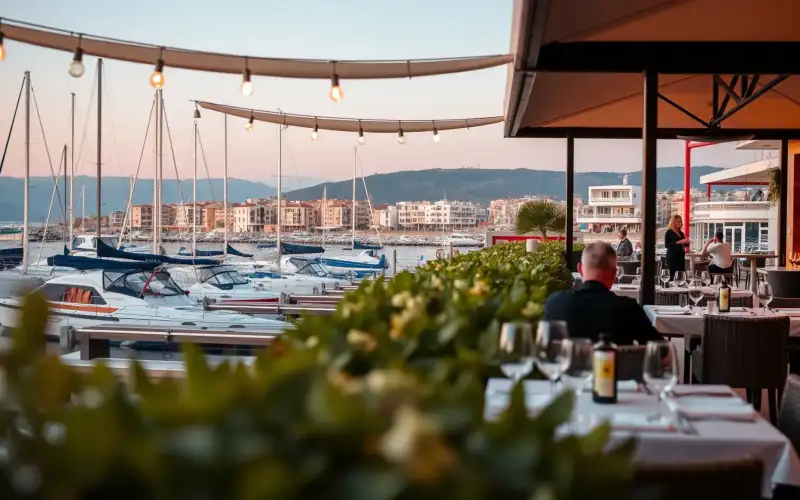
First, accept that Limassol operates on a different clock than London or Amsterdam. Business hours run 9 a.m. to 6 p.m., with a genuine lunch break between 1 and 3 p.m. that isn't a myth—many offices actually observe it. That midday window is your first leisure opportunity. Rather than grabbing a sandwich at your desk, walk ten minutes to Molos Waterfront, find a taverna overlooking the marina, and spend ninety minutes eating grilled octopus and reading a novel. You'll return to your afternoon meetings sharper than if you'd stayed indoors.
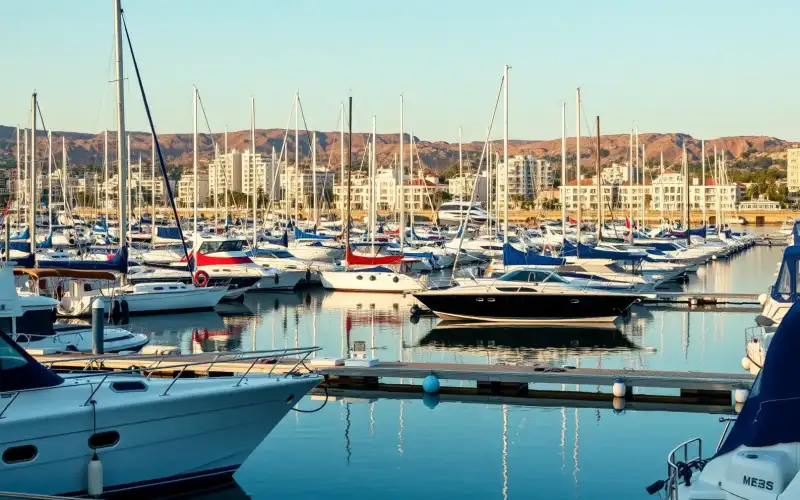
The city's geography helps enormously. Business hotels cluster in the city centre (Hilton, Four Seasons, Amathus Beach Hotel) or along the seafront promenade. Most convention spaces sit within walking distance of restaurants, galleries, and the old harbour. There's no need to spend hours in taxis or car services between meetings and leisure activities.
Evenings present the real opportunity. Most business dinners finish by 9 p.m., leaving you with a full night ahead. The climate in 2026—warmer, drier, with extended twilight until nearly 8:30 p.m.—means you can actually enjoy outdoor spaces after work. Unlike northern European cities where post-work means indoor bars, Limassol offers seaside walks, rooftop cocktails with views across to the Troodos mountains, and late-night tavernas that don't close until midnight.
Weekends, of course, belong entirely to you. The question becomes how to use them strategically—close enough to the city that you're not exhausted by travel, but far enough that you feel genuinely removed from business.
Structuring Your Working Day for Maximum Leisure
The golden rule: negotiate your schedule before you arrive. If you're attending a conference or series of meetings, ask whether morning or afternoon sessions suit your hosts better. Many business travellers assume they must attend every session. You don't. A well-chosen absence from a 2 p.m. panel talk rarely matters, but the three hours it frees for a beach visit or cultural detour absolutely does.
Second, establish a working rhythm that leaves breathing room. If you have back-to-back meetings, block out either a mid-morning break (10:30 a.m. to 11 a.m.) or mid-afternoon window (3 to 4 p.m.). Use these for a walk, a coffee at a proper café, or a quick swim. Hotels like the Four Seasons Limassol (Marina area) have beach access; you can genuinely swim for thirty minutes and be back in dry clothes before your next call.
Insist on reasonable dinner schedules. Business meals in Limassol typically start at 8 p.m., rarely earlier. That means you have from 6 p.m. until dinner to do something purely for pleasure. Walk the harbour. Browse the Cyprus Museum's smaller galleries in the city centre. Sit in a waterfront bar and watch the light fade over the Mediterranean. These aren't luxuries; they're recovery time that makes the rest of your trip sustainable.
Use hotel concierge services ruthlessly. Limassol's five-star properties employ genuinely knowledgeable staff. Tell them what you want—a quiet lunch spot, a winery visit that fits a three-hour window, a cultural venue open late—and they'll arrange it. Most can book restaurant tables, arrange private drivers, or suggest walking routes that fit your schedule precisely.
Evening Dining: Beyond the Business Meal
This is where bleisure earns its name. Limassol's restaurant scene has matured dramatically. You'll find everything from Michelin-adjacent fine dining to genuinely excellent casual spots where the food is taken seriously but the atmosphere remains relaxed.
For business dinners, stick to the obvious: Varadero (Mediterranean seafood, formal but not stuffy, excellent for impressing clients), To Spitiko (traditional Cypriot fare, warm, reliable), or Amavi (modern Mediterranean in an old converted house, perfect for winding down after intense meetings). These work because they're good enough that you don't feel like you're eating at a chain, but established enough that tables are reliably available.
For leisure evenings—the nights when you're eating alone or with colleagues purely for pleasure—branch out. Head to the Old Town's narrower streets where family-run tavernas don't advertise heavily but serve better meze (small plates) than anywhere else. Yialousa in the harbour does grilled fish that tastes like the Mediterranean tastes. Keo Taverna, tucked away near the castle, serves Cypriot wine poured from unlabelled bottles that cost £8 and taste like someone's grandfather made them in a basement.
The real discovery: rooftop bars open until late, many with kitchen facilities. These offer the best of both worlds—proper cocktails and snacks, but also actual conversation and views that shift as the light changes. Loft Café & Bar (city centre) and Cargo Kitchen & Bar (harbour area) attract a mix of business travellers and locals, making them ideal for both networking and genuine downtime.
Pro tip: Most restaurants in Limassol operate on restaurant time, meaning service is slower and more leisurely than in northern Europe. Don't fight this. Use it. An evening meal becomes an actual experience rather than a transaction.
Weekend Excursions: The Troodos Loop and Wine Country
Weekends are where you genuinely escape. Limassol sits at the edge of several distinct regions, each accessible in under ninety minutes of driving. The choice depends on what recharges you.
The Troodos Mountains, rising to 1,952 metres, offer cool air, pine forests, and villages that feel untouched by tourism. Omodos, a mountain village forty-five minutes from Limassol, centres on a stone square with a 15th-century monastery, a handful of tavernas, and a winemaking heritage that runs back centuries. Spend a Saturday morning driving there, have lunch in the square (grilled halloumi, local wine, olives), and return by evening. You'll feel like you've been away for a week.
Wine tourism is the obvious bleisure play. Cyprus produces serious wines—not world-famous, but increasingly respected by sommeliers across Europe. The Limassol wine region itself (Commandaria Valley, just south of the city) contains dozens of small producers. Rather than booking a formal tour, hire a driver for the day (around £50 to £70) and visit three or four wineries at your own pace. Kolios Winery and Tsantali are worth the stop; both allow walk-in visits and both pour wines that you won't find in British supermarkets.
The coast beyond the city offers different pleasures. Akrotiri Peninsula, twenty minutes south, contains salt lakes, birdwatching sites, and a dramatic stretch of beach at Coral Bay where the water is warm and the crowds are minimal even in summer. Bring a book and spend four hours there. It's genuinely restorative.
For cultural weekends, the Kourion Archaeological Park (one hour west) is worth a full morning. The site contains a 2nd-century amphitheatre, Roman mosaics, and views across the coastline that clarify why people settled here 2,500 years ago. The museum is small enough to cover in two hours, and the site is quiet enough on weekend mornings that you'll often have sections entirely to yourself.
Incorporating Culture Without Disrupting Work
Here's the secret most business travellers miss: you don't need long blocks of time for meaningful cultural engagement. Even an hour makes a difference.
The Cyprus Museum in the city centre (Nicosia, ninety minutes north, or smaller collections in Limassol itself) can be experienced in focused bursts. Rather than attempting a comprehensive visit, choose one room or one period (Neolithic, Classical, Medieval) and spend forty-five minutes there properly. You'll absorb more than from a rushed two-hour tour.
The Old Town's maze of narrow streets contains galleries, small museums, and craft workshops that don't require advance booking. Spend a Tuesday evening walking from the castle toward the harbour, stopping when something catches your eye. You might find a workshop where someone is making traditional pottery, or a gallery showing contemporary Cypriot art. These discoveries matter more than planned visits.
Evening performances happen regularly. The Rialto Theatre and Pattichion Municipal Museum host concerts, theatre productions, and film screenings. Check schedules before you arrive; even one evening at a performance breaks up the week and gives you something genuinely Cypriot to talk about with locals.
Practical Infrastructure: The Bleisure Checklist
Before you arrive, confirm these essentials:
- Hotel room with proper desk space and fast WiFi (not all five-stars get this right)
- Room service that works reliably until at least 11 p.m. (for working dinners or late-night editing)
- A concierge who speaks English and knows the city genuinely (not just reading from a list)
- Proximity to restaurants and waterfront (within walking distance, ideally)
- Beach or pool access (even if you don't use it daily, knowing it's there matters)
- Reliable taxi service or ride-share app (Uber works in Limassol; taxis are abundant but pre-booking is safer)
For connectivity, Limassol's infrastructure is solid. Airbnb WiFi is generally reliable, and most cafés have strong signals. The local SIM card from Cyta or Vodafone (bought at the airport, around £15 with 10GB data) is cheaper than roaming and gives you independence.
Pack strategically. Bring one set of proper business clothes, one casual outfit for evenings (linen trousers, decent shirt, comfortable shoes—you'll walk more than expected), swimwear, and walking shoes. Limassol's climate in 2026 means light layers; mornings can be cool, afternoons hot, evenings pleasant. A light jacket and scarf cover most scenarios.
The Real Advantage: Temporal Freedom
What makes bleisure in Limassol work is that the city doesn't demand your full attention. It's not Venice, where every corner is Instagram-famous and you feel pressured to see everything. It's not a pure business hub like London, where leisure requires deliberate escape.
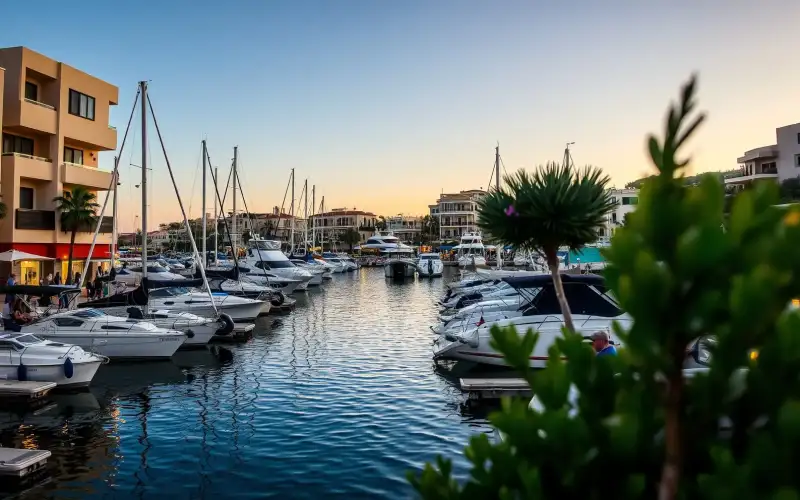
Limassol meets you halfway. You can have productive working days, genuine business meals with clients or colleagues, and still find authentic leisure without guilt or logistical complexity. The marina is genuinely pleasant for evening walks. The wine is genuinely worth exploring. The beaches are genuinely good. The culture is genuinely interesting, without being exhausting.
The bleisure traveller's real win isn't seeing more. It's arriving home having done actual work while also feeling like you've had a proper break. Limassol makes that possible.
Return to your office with deals closed, relationships strengthened, and a genuine sense that you've been somewhere worth being. That's bleisure done correctly. That's why increasing numbers of business travellers are extending their Limassol trips, and why the city's business hotels are expanding their leisure facilities rather than their conference spaces. The market has spoken. Work and leisure here aren't opposing forces. They're complementary rhythms.

Comments (4 comments)