
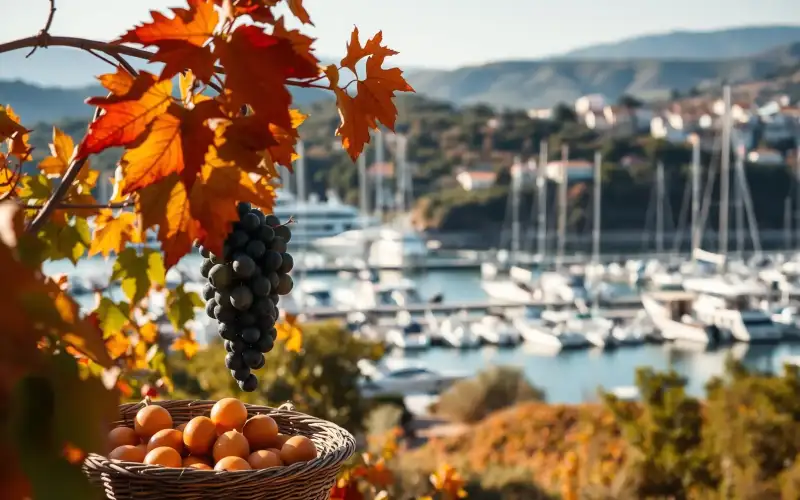
Last September, I watched a seventy-three-year-old retired banker from Surrey step into a wooden vat at KEO's Pano Platres vineyard, barefoot and grinning like a child. Within seconds, purple juice splattered across his linen trousers. His wife laughed so hard she nearly dropped her phone. That moment—messy, unscripted, utterly authentic—is what the autumn harvest season in Limassol's wine country delivers. It's not polished. It's not Instagram-filtered. It's raw, sensory, and unforgettable.
The harvest window in Cyprus runs from late August through October, but September is the sweet spot. Temperatures hover around 28-32°C, the morning light hits the vineyards at that golden angle that makes photographers weep, and the grapes have reached optimal sugar levels without the scorching intensity of midsummer. For British wine enthusiasts planning a 2026 autumn break, this is your moment.
What You'll Learn from This Guide
This guide walks you through the entire process of planning and executing an authentic harvest experience in Limassol's wine region. You'll discover which wineries welcome visitors during the crush, how to time your trip for maximum participation, what to expect physically and sensory-wise, and how to navigate the often-confusing booking landscape. By the end, you'll have a concrete itinerary rather than vague notions.
The autumn harvest isn't a spectator sport dressed up as tourism. It requires specific knowledge: knowing which wineries operate tours during crush season, understanding the logistics of grape stomping (yes, you can do it; no, you don't need special training), and recognizing that timing matters enormously. A visit two weeks too early means watching grapes still hardening on the vine. A visit too late means the action has moved to fermentation tanks, which is less tactile and photogenic.
Prerequisites: What You Need Before You Go
Before booking flights and hotels, confirm these essentials:
- Physical fitness level: Grape stomping involves standing in a vat for 15-30 minutes, sometimes on uneven surfaces. You'll be using your calf muscles, balance, and core stability. If you have knee or hip issues, inform the winery in advance. Most can offer modified experiences or observation-only options.
- Footwear: Bring old trainers or sandals you don't mind staining permanently. Many wineries provide plastic overshoes, but they're often loose-fitting. Flip-flops are a mistake—grape skins are slippery.
- Sun protection: September in Limassol is still intense. Factor 50 sunscreen, a wide-brimmed hat, and sunglasses are non-negotiable. The vineyard offers minimal shade, and you'll be stationary for portions of the tour.
- Hydration strategy: Bring a 1.5-litre water bottle. Wine tasting on an empty stomach and dehydrated stomach is how people end up napping in their hotel rooms at 4 p.m. instead of exploring the marina.
- Booking windows: Contact KEO and LOEL directly by mid-July for September harvest tours. These aren't walk-in experiences. Both wineries require advance notice, typically 48-72 hours minimum, and group sizes matter—they cap tours at 8-12 people to maintain quality.
- Language: English is widely spoken at major wineries, but having basic Greek phrases (thank you = efharisto, cheers = yamas) adds texture to the experience and delights local staff.
- Dress code: Wear clothes you don't mind getting stained. Grape juice doesn't wash out easily. Avoid synthetic fabrics that don't breathe—you'll be outside in Mediterranean heat. Linen and cotton are your friends.
- Dietary considerations: Most tastings include cheese, bread, and cured meats. If you're vegetarian or have allergies, mention this during booking. Wineries are usually accommodating but need advance notice.
- Transportation: Hire a car or arrange a driver. The main wineries are 20-40 minutes outside central Limassol, and you'll be drinking wine. Taxis from the marina run €35-50 one way. A rental car (€25-35 daily) is more economical if you're visiting multiple estates.
- Currency and payment: Euros only. Card payments are standard at established wineries, but bring cash for smaller producers or if you want to buy bottles directly.
- Insurance: Check your travel insurance covers wine-related activities. Most standard policies do, but it's worth confirming.
- Timing flexibility: Harvest schedules shift based on weather. If September temperatures spike unexpectedly, harvest might accelerate. Have backup dates available when booking.
Step-by-Step: Planning and Executing Your Harvest Tour
Step 1: Confirm Harvest Dates and Winery Availability (Three Months Prior)
Contact KEO and LOEL directly. Don't rely on their websites—harvest operations change year to year. KEO's main estate is in Pano Platres, about 35 km northwest of Limassol. LOEL operates near Vouni, roughly 40 km north. Both wineries publish preliminary harvest windows in June, but final dates depend on sugar levels and weather forecasts.
When you call (KEO: +357 2505 0000, LOEL: +357 2294 2444), ask specific questions: Are harvest tours running? What dates have availability? What's included in the tour price? How long does it last? Can you participate in grape stomping, or is it observation-only for your group? Prices typically range from €45-75 per person, including tasting and light refreshments. Some wineries offer premium experiences (€90-120) with private tastings and longer vineyard walks.
Book provisionally for your preferred dates. Request confirmation two weeks before travel.
Step 2: Plan Your Limassol Base and Transport Strategy (Six Weeks Prior)
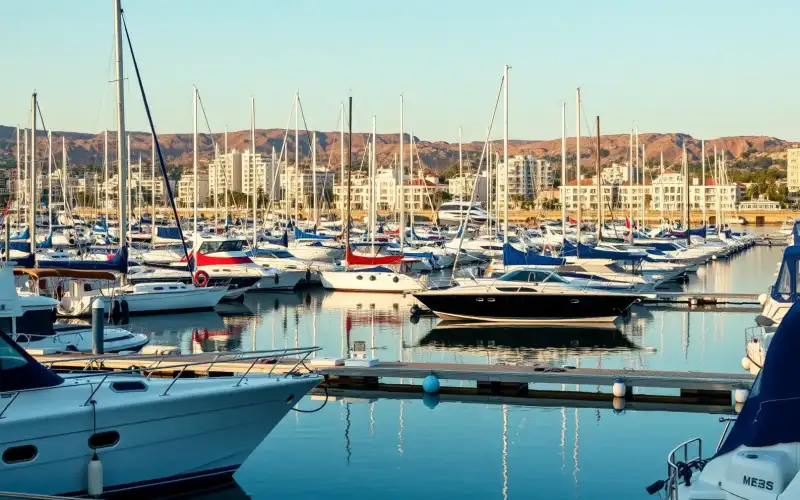
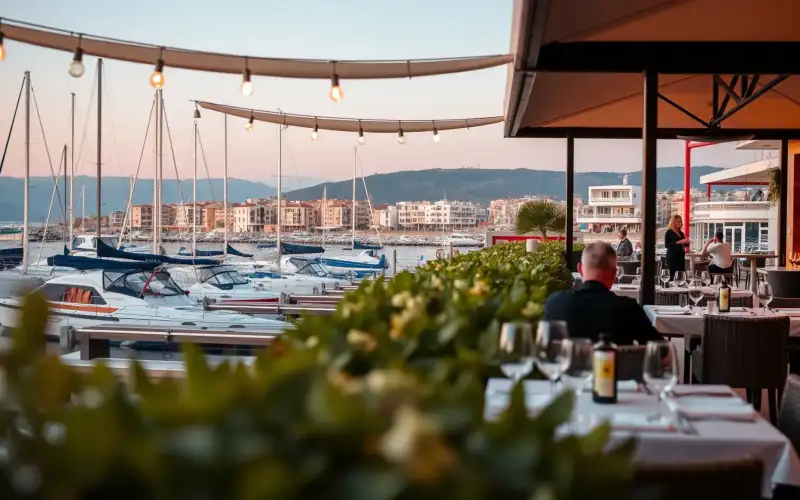
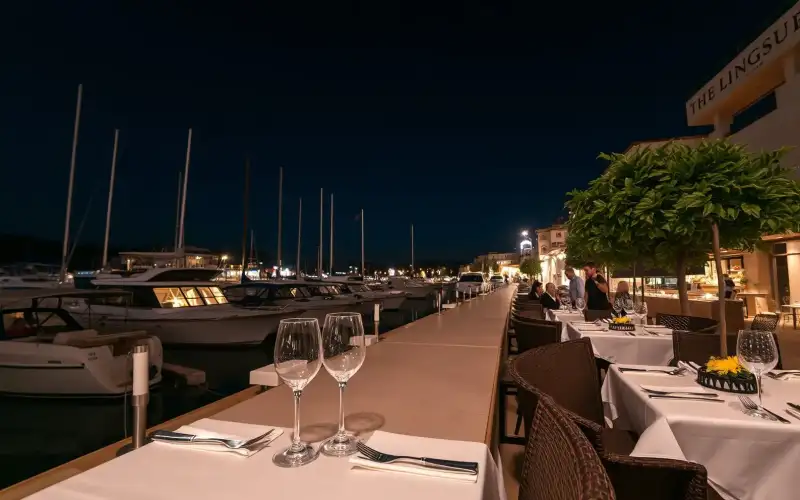
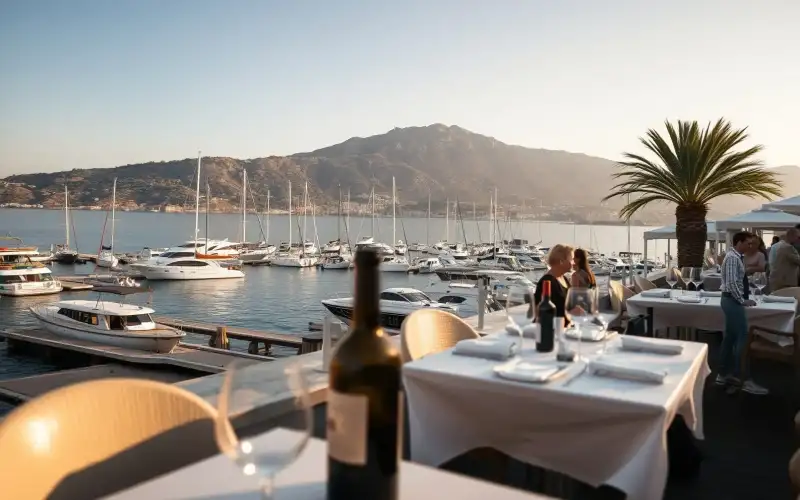
Stay within 10 km of the marina district. Hotels like the Amathus Beach or Meridien Limassol offer easy access to car rental and are central to restaurants and evening activities. The marina itself has excellent restaurants—Artima, Mousaka, Thalassa—for post-tour dinners when you're exhausted and ravenous.
Arrange car hire through international companies (Hertz, Avis, Budget) or local operators (Europcar Cyprus, Thrifty). Book in advance; September is still peak season. Request an automatic transmission if you're not confident with manual gears on narrow vineyard roads. GPS/sat-nav is essential—vineyard roads aren't always clearly signposted, and mobile signal is patchy in rural areas.
Alternatively, hire a driver through your hotel concierge (€60-80 for a full day) or book a wine tour operator that includes transport. Companies like Cypriot Wine Tours or Limassol Wine Routes handle logistics, though you'll pay a premium (€120-180 per person) and have less flexibility on timing.
Step 3: Prepare Physically and Mentally (Two Weeks Prior)
If you haven't done physical labor in a while, spend two weeks doing light leg exercises: squats, calf raises, balance work. Grape stomping looks simple—it's not. Your legs will feel it the next day if you're unfit.
Research the wineries you're visiting. Read tasting notes from previous vintages. Understand the grape varieties grown in Cyprus: Mavro (dark, tannic), Xynisteri (white, crisp), and increasingly, international varieties like Cabernet Sauvignon and Chardonnay. This context transforms tasting from passive sipping to active engagement. You'll recognize flavors and understand the winemaker's choices.
Download a wine tasting app (Vivino or CellarTracker) to log notes on wines you taste. It sounds pretentious—it's not. It helps you remember which wine you loved and why, months later when you're ordering online.
Step 4: Arrive Early on Tour Day and Manage Expectations (Day Of)
Plan to arrive at the winery 15 minutes before your scheduled tour. Harvest operations are time-sensitive; late arrivals disrupt schedules. Bring your water bottle, sunscreen, and a light snack (banana, granola bar). The tour typically lasts 2-3 hours, but you won't eat during it.
Expect sensory overload. The smell of fermenting grapes is overwhelming—vinegary, slightly funky, intoxicating. The noise of machinery, the stickiness of grape juice on skin, the heat radiating off the crush pad—it's not a controlled museum experience. It's a working facility during its busiest season. If you're noise-sensitive or prone to sensory overwhelm, mention this to your guide.
Most tours follow this structure: vineyard walk (30 minutes), crush pad observation (20 minutes), grape stomping participation (15-30 minutes), tasting room experience (45-60 minutes). The tasting room is air-conditioned and calm—a relief after the sensory intensity outside.
Step 5: Taste Strategically and Document Your Experience (During Tour)
During the tasting, spit into the bucket provided. This isn't rude; it's professional. You'll taste 4-6 wines across 90 minutes. If you swallow everything, you'll be tipsy and unable to taste subtle differences by wine four.
Ask your guide about the current crush: Which grapes are being processed today? What's the expected fermentation timeline? When will this vintage be released? These conversations reveal the winemaker's thinking and create memorable moments. I once spent 20 minutes with KEO's production manager discussing how they adjust fermentation temperature for Mavro—utterly nerdy, utterly fascinating.
Take photos (most wineries allow it), but don't become a photographer. Put the phone down for portions of the experience. The memory you retain from being present will outlast any Instagram post.
Step 6: Buy Wine Thoughtfully and Plan Logistics (End of Tour)
Most wineries offer discounts on bottles purchased during tours (10-20% off retail). Resist the urge to buy six bottles because they're discounted. Consider: How will you transport wine home? Checked luggage is the only reliable method. Bubble wrap, newspaper, and a wine travel protector (€15-20) are essential. Alternatively, arrange shipping directly from the winery to your UK address—most major producers offer this for €30-50 per case.
If you love a wine, buy one bottle to take home and one to enjoy that evening at dinner. This creates closure to the experience rather than just accumulating bottles.
Troubleshooting: Common Issues and Solutions
You've booked your tour, but then life happens. Here's how to navigate common problems:
| Problem | Solution |
|---|---|
| Harvest dates shift unexpectedly | Contact the winery immediately. Most will offer alternative dates within the same season or a full refund. September 15-25 is the safest window; earlier or later carries higher risk of schedule changes. |
| You arrive and feel unfit for grape stomping | Tell your guide. They'll offer observation or a modified experience. No shame in this. Many people participate by standing at the vat's edge and stomping while holding a rail. |
| The tasting room is crowded or rushed | Smaller wineries (LOEL, in particular) offer more intimate experiences than KEO. If you prefer calm and conversation, book LOEL. If you want to see large-scale operations, KEO delivers that spectacle. |
| You're sensitive to sulfites or have wine allergies | Inform the winery during booking. They'll have low-sulfite options or can recommend alternative activities. Don't surprise them on the day. |
| You dislike the wines you taste | That's fine. Cyprus wines are improving rapidly, but they're not for everyone. Focus on the experience rather than the product. Many visitors find they prefer the 2024 or 2025 vintage to the 2023. |
Beyond the Winery: Extending Your Harvest Experience
A single winery tour is memorable, but three days in wine country creates immersion. Consider this itinerary:
Day One: Arrive in Limassol, settle into your hotel near the marina, explore the old town and Carob Mill (converted into a museum and restaurant). Have dinner at a traditional taverna—order Mavro wine and local meze.
Day Two: Morning harvest tour at KEO or LOEL. Afternoon: rest at your hotel or visit a smaller producer like Tsantali or Vasilikon (both near Limassol, less touristy). Evening: dinner at the marina, wine bar visit.
Day Three: Visit a second winery or explore the Troodos mountain villages (Omodos, Pano Platres) where smaller family wineries operate. These producers often give more personal attention than corporate estates. Return to Limassol for a final evening.
This rhythm—intense experience, recovery, deeper exploration—allows wine knowledge to settle and prevents fatigue.
Final Notes: Why September Matters
Autumn harvest in Limassol isn't a commercial tourism product. It's a legitimate agricultural event that happens to welcome visitors. You're not watching a staged performance; you're observing real work. The grapes crushed on your tour will become wine that sits in barrels for months, then bottles for years. You're part of that timeline.
The British travellers I've guided through Limassol's wine country often say the same thing afterward: they expected wine snobbery and got humanity. They expected a sterile tasting room and got dirt under their fingernails and purple juice on their clothes. They expected to learn facts about wine and instead learned about patience, timing, and the specificity of place.
Book your tour by mid-July for September 2026. Bring water, sunscreen, and an open mind. The harvest is waiting.
Comments (4 comments)