
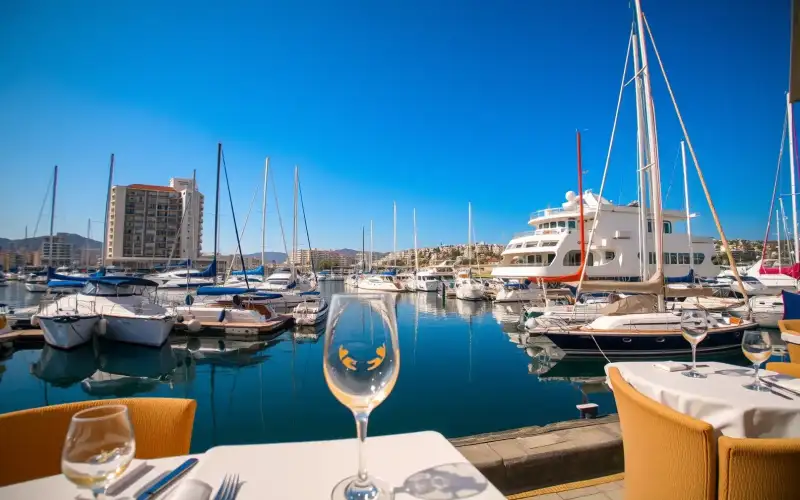
The first time I watched a 45-metre motor yacht manoeuvre into Limassol Marina's western basin, I realised the port authority had cracked something most Mediterranean marinas struggle with: choreography. The skipper barely touched the throttle. Two attendants in high-visibility jackets guided the vessel into its berth with hand signals and radio calls, the whole operation taking perhaps eight minutes. No shouting, no drama, no bent fenders. That's the Limassol Marina experience in 2026—professional, organised, and surprisingly stress-free if you know the system.
Whether you're arriving by superyacht, day-sailing catamaran, or simply collecting a hire car before heading upcountry, the marina has become Cyprus's de facto transport hub. It's where ferries dock bound for Rhodes and Turkey, where tour coaches queue for passengers, and where the island's wealthier residents keep their weekend boats. Understanding how it works saves time, money, and the kind of bureaucratic friction that can sour a holiday before it starts.
Understanding Limassol Marina's Layout and Facilities
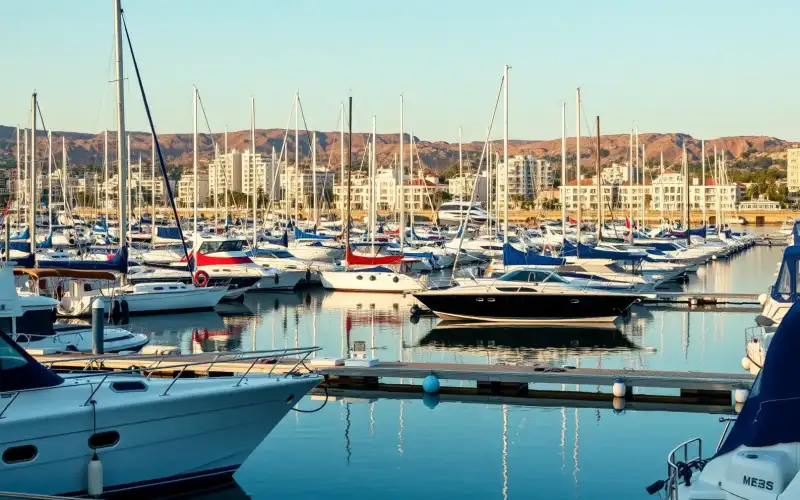
Limassol Marina occupies roughly 70 hectares on the city's southwestern coast, about 2 kilometres from the old town and 8 kilometres south of Limassol's central business district. The complex divides into three main berth areas: the western basin (primarily superyachts and larger vessels), the central basin (mixed commercial and leisure craft), and the eastern basin (smaller leisure boats and fishing vessels). A fourth zone, the commercial quay, handles cargo and ferry operations.
The marina can accommodate approximately 650 vessels at any given time. In summer 2026, occupancy typically runs 85–95% during July and August, dropping to 40–60% in winter months. If you're planning to berth a yacht, advance booking is essential during peak season; the marina's online reservation system (limassol-marina.com.cy) allows 90-day advance booking.
Land-side facilities include a modern terminal building housing a café, currency exchange, and administrative offices. Fuel bunkering is available at the fuel dock (diesel and petrol), with 24-hour card payment systems. There's a chandlery on the premises, laundry facilities, and secure parking for both vehicles and bicycles. WiFi coverage is strong throughout the marina, which matters if you're running a business from your yacht—a common scenario among the London-based owners who winter here.
Berthing Procedures and Mooring Costs
Arriving by boat, you'll first contact the marina's port authority on VHF Channel 12 approximately 2 nautical miles offshore. They'll assign you a berth, provide entry instructions, and confirm your vessel's length, beam, and draft to ensure suitable placement. The process takes 10–15 minutes of radio contact; they speak fluent English and are accustomed to international crews.
Daily berthing fees in 2026 run as follows: vessels under 12 metres, €35–45 per night; 12–18 metres, €60–80; 18–24 metres, €100–140; 24–30 metres, €160–220; over 30 metres, €250–350 depending on berth location and season. Peak season (June–September) commands the upper end of these ranges. Winter rates (November–March) drop by roughly 30%. Weekly and monthly discounts apply: a 7-day booking typically saves 10%, and monthly berths (€800–€2,500 depending on size) are popular with charter companies and long-term visitors.
Electricity and water are metered separately. Most berths include 16-amp single-phase power; larger yachts can request 63-amp three-phase at additional cost (roughly €8–12 per day depending on consumption). Water is €3 per cubic metre. Waste disposal—crucial if you're staying more than a few days—costs €15 per pump-out for grey water, €25 for black water. The pump-out facilities operate daily 08:00–18:00, with an emergency out-of-hours service available for €40 surcharge.
Security deposit for berthing runs €200–500 depending on vessel size and length of stay; this is refundable upon departure, provided no damage is recorded. The marina employs CCTV monitoring 24/7 and security patrols, which justifies the deposit but also means theft is virtually nonexistent. I've watched crews leave million-pound boats unattended for weeks with nothing more than a locked cabin door.
Parking: Vehicle Options and Rates
The marina operates three parking zones, each with different pricing and proximity to the terminal.
Zone A: Premium Parking
Located immediately adjacent to the terminal building, Zone A offers covered parking and is ideal if you're making a quick ferry connection or conducting business meetings. Rates: €3.50 per hour, €15 per day (24 hours), €70 per week. Maximum stay is 14 consecutive days. Security is tight—access controlled by barrier and CCTV. Most business travellers and ferry passengers use this zone. It fills quickly during ferry departures (typically 09:00, 14:00, and 17:30 for Agia Napa–Rhodes service).
Zone B: Standard Parking
A 5-minute walk from the terminal, Zone B is open-air, less expensive, and suitable for longer stays. Rates: €2 per hour, €10 per day, €45 per week, €140 per month. No reserved spaces, but turnover is usually sufficient. In summer, arrive before 10:00 if you want a spot; after midday, you may need to circle. The zone is well-lit and monitored, though not as intensively as Zone A.
Zone C: Economy Parking
Located 200 metres from the terminal in an overflow lot, Zone C is cheapest but least convenient. Rates: €1.20 per hour, €6 per day, €25 per week, €80 per month. It's popular with long-term parkers and airport shuttle users. Lighting is adequate but not premium; vehicle break-ins are rare but not unheard of. Valuables should be removed or locked in a boot.
All zones accept both cash (euros) and card payment via automated kiosks. Monthly permits are available at the administrative office (Building A, ground floor) and require passport ID and proof of vehicle ownership or hire agreement. If you're renting a car, most hire companies have agreements with Zone B, meaning your daily rate includes parking at preferential rates (typically 20% discount).
Ferry Services and Timetables
Limassol Marina is Cyprus's primary departure point for international ferry services. Two main operators run regular routes:
Agia Napa Shipping (Rhodes and Turkey)
Agia Napa operates a tri-weekly service to Rhodes (Wednesday, Friday, Sunday) departing at 09:00, arriving Rhodes 14:30. Return sailings depart Rhodes Monday, Wednesday, Friday at 14:00, arriving Limassol 19:30. Journey time is 5.5 hours. Summer 2026 fares: standard cabin €65–85 one-way, €120–150 return. Vehicle transport (cars, motorcycles, bicycles) available at €35–120 depending on size. A weekly high-speed service (Mondays and Thursdays) cuts the journey to 3.5 hours but costs €95–130 per passenger.
A seasonal service to Marmaris, Turkey runs May–October, departing Limassol Saturdays at 15:00, arriving Marmaris 20:00 (local time, one hour ahead). Return sailings Tuesday and Thursday at 15:00. Fares: €50–70 one-way. Turkish visas are required for British passport holders; allow time for processing (typically 15 minutes at the port, or arrange e-visas in advance online).
Emba Ferries (Regional Services)
Emba operates a twice-weekly service to Haifa, Israel (Wednesday and Saturday, 18:00 departure, 07:00 arrival next day). Fares start at €120 for economy cabins. This route is less busy than the Rhodes service and popular with business travellers heading to Tel Aviv. Vehicle transport available.
Ferry terminals are located at the commercial quay, approximately 300 metres from the main marina building. Check-in opens 90 minutes before departure; you must present a valid passport and, for Turkey, a visa or confirmation of e-visa. Luggage allowance is typically one checked bag plus carry-on; excess baggage costs €15 per item.
Ground Transport and Connections
Arriving at Limassol Marina by air, you have several options for reaching the port from Larnaca International Airport (50 kilometres away, 50-minute drive).
Airport Shuttle Services
Direct shuttle buses operate from Larnaca Airport to Limassol Marina, departing hourly 06:00–22:00. Journey time is 50–60 minutes depending on traffic and stops. Cost: €12 per person one-way, €20 return. Booking is recommended during summer peak season (May–September). The shuttle stops at the Zone C parking lot and the main terminal; confirm your drop-off when booking. Several operators run this route; Kapnos Airport Shuttles and Megas Travel are reliable and have desks in the airport arrivals hall.
Car Rental
Most international car rental companies (Hertz, Avis, Budget, Enterprise) have desks at Larnaca Airport. Hiring a car for your stay offers flexibility, especially if you're exploring the Troodos Mountains or the Akamas Peninsula. Typical rates in summer 2026: compact car €35–50 per day, SUV €60–90. Fuel costs roughly €1.35 per litre for unleaded petrol. Parking at the marina (Zone B) is included or heavily discounted with most rental agreements. Driving from Larnaca to Limassol is straightforward: take the A3 motorway westbound; it's well-signposted and takes 45 minutes in normal traffic.
Taxi and Ride-Hailing
Taxis from Larnaca Airport to Limassol Marina cost €45–60 depending on traffic and time of day. Ride-hailing apps (Uber operates in Cyprus, as does local app Beat) typically charge €38–55 for the same journey. These are convenient if you're travelling alone or with minimal luggage, but less economical for groups or extended stays.
Local Bus Services
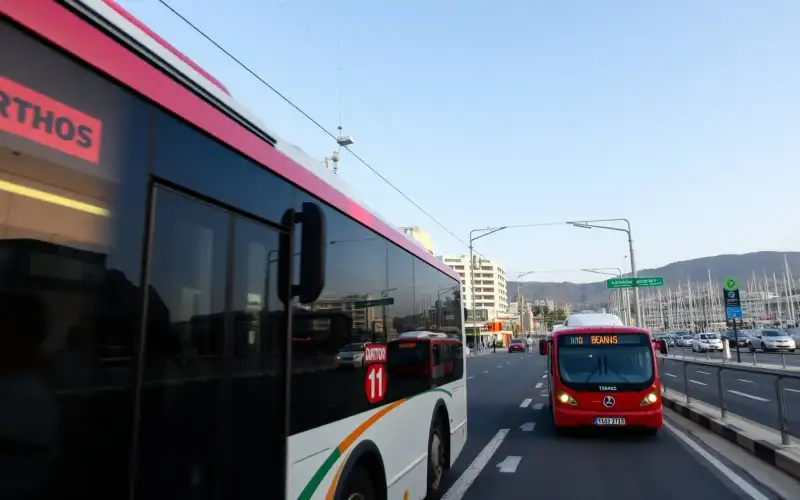
The public bus operator OSYPA runs limited service from Larnaca to Limassol (Route 20, roughly hourly 06:00–18:00). Journey time is 75 minutes, and the fare is €8. Buses arrive at Limassol's central station, from which you'd need a taxi (€8–12) to reach the marina. This option is cheapest but least convenient unless you're very flexible on timing.
Practical Tips and Common Mistakes
Plan your arrival time carefully. Ferry departures are predictable (09:00, 14:00, 17:30 for Rhodes service), but parking fills quickly during these windows. If you're catching a 09:00 ferry, arrive at the marina by 07:15 to secure parking and check in. Conversely, if you're arriving by ferry and hiring a car, Zone A parking may be full; Zone B is usually available within 10 minutes of arrival.
Currency exchange at the marina is convenient but charges a 3–4% commission. If you're exchanging significant sums (€500+), it's worth visiting a bank in Limassol's city centre beforehand. ATMs are available in the terminal building and accept most international cards.
If you're berthing a yacht, confirm your exact berth location and water/electricity specifications before arrival. Miscommunication here can result in arriving at a berth without adequate power or water supply, forcing a costly rebooking. The marina's administrative staff speak English, but email confirmation (marina.office@limassol-marina.com.cy) is safer than relying on phone calls, especially if you're calling from abroad.
The marina's WiFi, though free, can be slow during peak hours (18:00–21:00). If you're conducting business calls or video conferences, consider purchasing a local SIM card (available at shops in the terminal) for 4G mobile data. Cyprus's networks (Cytamobile, Vodafone, MTN) offer competitive rates; €15 typically buys 10 gigabytes of data valid for 30 days.
Don't assume parking permits transfer between zones. A monthly permit for Zone B, for instance, is not valid in Zone A. If you're switching zones mid-stay, purchase a new permit; the administrative office processes these in 5 minutes.
Ferry queues can be unpredictable. The Rhodes service is usually efficient, but during public holidays or summer weekends, check-in can take 45 minutes. Arrive at least 2 hours early if departing on a Friday or Saturday in July or August.
Seasonal Considerations and 2026 Updates
Summer 2026 (June–August) is peak season. Berthing fees are highest, parking is competitive, and ferry services run at full capacity. If you're flexible, visiting in May or September offers better rates and less congestion. Winter (November–March) sees berthing rates drop 30%, but weather can be unpredictable; occasional storms close the marina to new arrivals temporarily.
The marina completed a €3.2 million upgrade to its fuel dock in early 2026, adding two additional pumps and expanding the bunkering capacity. This means shorter queues for fuel, particularly during peak season. The upgrade also included new sewage treatment facilities, improving environmental standards and reducing the cost of waste disposal by roughly 10%.
A new dedicated lane for ferry passengers was introduced in 2026, separating them from general parking and marina traffic. This speeds up the check-in process and is particularly useful during the busy morning departures. Ferry passengers now have a direct route from Zone A parking to the terminal without crossing the main marina area.
The marina's website (limassol-marina.com.cy) now offers real-time berth availability, updated hourly. This is invaluable if you're making a last-minute decision to berth; you can see exactly which berths are available and their dimensions before calling ahead.
Conclusion: Making the Most of Your Marina Experience
Limassol Marina works because it's designed for people—yacht owners, business travellers, ferry passengers—who value their time. The berthing procedures are efficient, the parking is reasonably priced across three tiers, and the ferry connections offer genuine alternatives to flying. It's not glamorous in the way some Mediterranean marinas aspire to be; there's no Michelin-starred restaurant on the waterfront, no parade of superyachts posing for Instagram. Instead, there's competence, clarity, and a practical understanding that most people are here to get somewhere, not to be seen.
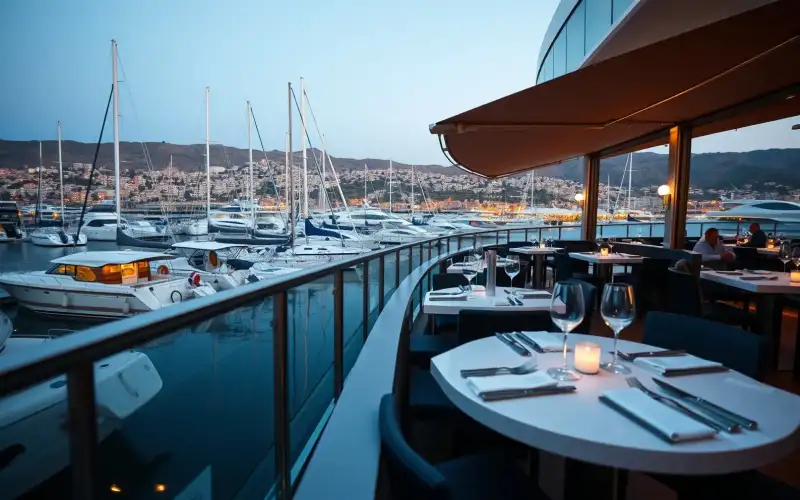
That said, the marina's waterfront has improved markedly. A new promenade opened in 2025, with cafés and restaurants facing the basin. It's worth spending an hour there before your ferry departs, watching the boats and the sea. The light at sunset catches the water in a particular way—pale gold, almost luminous—and you'll understand why people keep boats here, why they return year after year, why Limassol has become a genuine maritime hub rather than just a port of call.

Comments (4 comments)