

Last April, I watched a Cypriot winemaker press his nose against a Xynisteri vine, checking for the faint green buds that signal spring's arrival. "This year," he said, "the season came two weeks early." That small observation—the timing shift in a single vineyard—captures why spring in Limassol matters so much to wine travellers. The season doesn't just bring warmer weather and tourist crowds; it reshapes how wines taste, how vineyards look, and what restaurants choose to serve.
For British travellers planning a spring visit to Limassol in 2026, the question isn't whether to go—it's how to navigate the region's wine estates and coastal dining scene without missing the peak moments. Spring wine tasting differs fundamentally from autumn harvests. The vines are alive with fresh growth, the whites are crisper, and the coastal restaurants have shed their winter lethargy. But getting the timing right, finding the estates that welcome spring visitors, and knowing which wines to taste when requires local knowledge.
The Spring Wine Tasting Challenge in Limassol
Many visitors arrive in Limassol expecting year-round wine experiences that match what they've read online. They book a tasting at an estate without checking whether spring is actually the right season for that particular winery's production cycle. Others visit Marina restaurants and order wines suited to autumn or winter, missing the lighter, fresher expressions that spring demands.
The core problem is timing and varietal knowledge. Spring in Cyprus (March through May) shifts which wines are actually available for tasting and which ones taste their best. Limassol's wine estates operate on cycles that don't always align with tourist expectations. A winery bottling heavy reds in spring may have limited stock for tastings. Another estate might be focused entirely on spring white production, making it the perfect stop for a traveller seeking crisp, mineral-driven wines.
Additionally, spring blossom viewing—one of the season's greatest pleasures—requires knowing which vineyards actually have accessible blossom zones and which ones are purely production facilities. Some estates sit in valleys where almond and cherry trees bloom spectacularly alongside the vines; others are industrial operations where the romance of spring flowers doesn't apply.
Why Spring Matters for Limassol Wine Lovers
Spring transforms Limassol's wine landscape in three critical ways. First, the white wines—Xynisteri, Assyrtiko, and Mavro Glyko blends—reach their peak freshness. These varieties, which can taste flat or over-oaked in warmer months, sing in spring tastings. The cooler air preserves their acidity and mineral complexity. I've tasted the same Xynisteri in May and September; the May version had a brightness that made the September bottle feel almost tired.
Second, the vineyards themselves become visually stunning. Almond blossoms appear in late February and March, followed by cherry and apricot flowers in April. The vines, still leafless in early spring, sit beneath clouds of white and pink petals. By mid-April, the vines themselves begin to show green shoots. This visual transformation lasts only 6-8 weeks, making spring a narrow window for blossom viewing combined with wine tasting.
Third, Limassol's Marina restaurants—the waterfront dining strip that defines the city's leisure culture—shift their menus dramatically in spring. Chefs move away from heavy winter sauces and introduce lighter dishes built around spring vegetables, fresh fish, and herbs that have just come into season. These menus pair naturally with spring wines, creating a synergy that doesn't exist in other seasons.
Spring White Wines: What to Taste and When
Understanding which Limassol wines to prioritize in spring starts with knowing the varieties and their seasonal peaks. Xynisteri, Cyprus's flagship white, is best tasted in spring when its stone fruit and mineral notes are most vibrant. The variety thrives in Limassol's cooler upland vineyards, and spring tastings showcase its potential far better than summer offerings. Look for Xynisteri from estates in the Troodos foothills—the altitude preserves the acidity that makes spring tastings memorable.
Assyrtiko, the Greek variety that some Limassol producers now cultivate, reaches peak freshness in spring. Its citrus and saline notes—the terroir signature of coastal Cyprus—come alive in cooler spring air. If you're tasting at a Marina-adjacent estate or a winery with coastal views, Assyrtiko is non-negotiable.
Mavro Glyko, the semi-sweet red blend that defines Cypriot wine tradition, often gets overlooked by international visitors. Spring is actually an excellent time to taste it, particularly if you're planning an evening at a Marina restaurant. The cooler spring temperatures make its sweetness feel balanced rather than cloying, and it pairs beautifully with grilled fish and spring vegetable mezze platters.
A practical spring tasting strategy involves visiting two estates in a single day: one focused on white production (morning tasting, cooler temperatures), and one with a strong Mavro Glyko or red blend program (late afternoon, when the winery's tasting room has warmed slightly). This approach lets you experience the full range of Limassol's spring offerings without wine fatigue.
Navigating Limassol's Best Spring Vineyard Routes
Getting to Limassol's wine estates requires either rental car navigation or organized transport. For independent travellers, a rental car from Limassol airport or the city centre offers the most flexibility. The drive from Limassol city centre to the Troodos foothills takes 30-45 minutes depending on which estate you're visiting. Spring roads are generally clear, though mountain passes can be unpredictable in late March.
The primary spring wine route runs north from Limassol toward the village of Omodos, passing through several estates with both tasting facilities and spring blossom visibility. This route is approximately 35 kilometres one-way, making it manageable as a morning or afternoon excursion. The estates along this route—including several family-run operations that have been producing wine since the 1970s—typically offer spring tastings by appointment, booked at least 2-3 days in advance.
An alternative route heads northeast toward the Krasochoria (wine villages) region, a slightly longer drive (45-50 minutes from Limassol centre) but one that offers a more immersive village experience. These smaller estates often have more intimate tasting arrangements and are less crowded than the main Omodos-route wineries. Spring blossom viewing is equally spectacular, and the villages themselves have tavernas serving traditional spring dishes that pair perfectly with estate wines.
For travellers without rental cars, organized wine tours from Limassol operate year-round, with spring departures typically including 2-3 estate visits, lunch at a traditional village taverna, and transport from your hotel. These tours cost £70-£120 per person and operate most days except Sundays. Booking through your hotel concierge or a Limassol-based tour operator ensures you get a guide who understands spring's specific advantages for wine tasting.
Spring Blossom Viewing: Where to Look
Not every Limassol-area vineyard offers photogenic blossom viewing. Industrial estates focused purely on production often lack the aesthetic appeal that makes spring special. Instead, target estates that combine wine production with hospitality infrastructure—tasting rooms, terraces, picnic areas—and that sit in valleys or hillside locations where almond and cherry trees grow alongside or near the vines.
Three specific zones deliver reliable spring blossom viewing combined with wine tasting:
- The Omodos Valley (late February to mid-April): Almond blossoms dominate February and early March; cherry and apricot flowers peak in April. Several estates in this valley have terraces overlooking the blossom zones. Tasting appointments should be booked for late morning (10:00-11:30 AM), when the light is best for photography and the temperature is still cool.
- The Krasochoria hillside vineyards (mid-March to late April): These higher-altitude estates sit among almond orchards and cherry groves. The blossom period extends longer here than in lower valleys due to the cooler microclimate. Spring tastings at these estates often occur outdoors on terraces overlooking the blooming landscape.
- The coastal approach route (early April to mid-May): Driving from Limassol toward the wine villages via the coastal road offers views of both sea and blooming vineyards. Stop at estates with coastal views for late afternoon tastings, when the light is golden and the blossom photography is at its peak.
Timing matters enormously. Almond blossoms peak for 2-3 weeks; cherry blossoms last slightly longer. If you're visiting in early March, focus on almond blossoms and white wine tastings. If you're arriving in late April or early May, cherry blossoms and fresh vine growth will dominate, and you'll catch the first expressions of spring reds and rosés.
Spring Dining at Limassol Marina: Menus and Wine Pairings
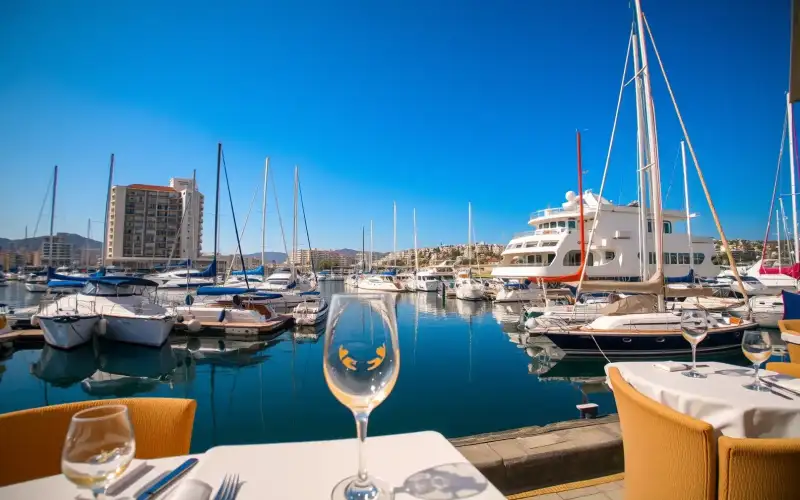
Limassol's Marina—the waterfront dining and leisure district that stretches along the coast—undergoes a culinary transformation in spring. Chefs move away from winter's heavy braised dishes and embrace grilled fish, spring vegetables, and lighter sauces. For wine enthusiasts, this shift creates natural pairing opportunities with Limassol's spring whites and rosés.
The Marina's best spring dining experiences focus on fresh fish and seasonal produce. Grilled sea bream, sea bass, and grouper appear on most menus from March onward, paired with spring vegetables like artichokes, wild asparagus, and fresh herbs. These dishes pair beautifully with Xynisteri or Assyrtiko tastings conducted earlier in the day at nearby estates. A typical spring dining strategy involves a morning or early afternoon wine tasting at a Troodos-area estate, followed by an evening meal at a Marina restaurant, creating a full-day wine and food experience.
Specific Marina restaurants worth targeting in spring include those with dedicated wine lists featuring Limassol producers and those with outdoor seating overlooking the water. Booking is essential during spring weekends; many Marina restaurants are fully booked Thursday through Sunday from April onward. Dinner prices range from £25-£50 per person for main courses, with wine pairings adding £15-£30 per person.
A practical spring dining approach: visit a winery in the morning (10:00 AM-12:30 PM), take a late lunch break in a village taverna near the estates (12:30-2:00 PM), return to Limassol by late afternoon, rest or explore the city, then dine at a Marina restaurant in the evening (7:30-10:00 PM). This pacing prevents wine fatigue and allows you to experience both the upland vineyard landscape and the coastal dining culture in a single day.
Practical Spring Travel Planning for Limassol Wine Routes
Getting around Limassol and its wine regions requires understanding your transport options. Most British travellers rent cars at Limassol airport or arrange airport transfers through their hotel. Spring roads are generally good, though the mountain passes toward Troodos can be narrow and winding. Allow 45-60 minutes for drives to upland estates, especially if you're unfamiliar with Cypriot road conditions.
Car rental agencies operate throughout Limassol city centre and at the airport. Spring rates (March-May) are higher than winter but lower than summer peak season. Expect to pay £30-£50 per day for a standard compact car, with fuel costs minimal on short wine-route journeys. Parking at most wine estates is free and plentiful.
For those preferring not to drive, hotel concierges can arrange private car services or join organized wine tours. These options cost more (£80-£150 per person for half-day tours) but eliminate navigation stress and provide expert local commentary. Spring is an ideal season for organized tours because guides can explain the blossom cycles and spring wine characteristics while you relax.
Public transport to wine estates is limited. Buses operate from Limassol city centre toward villages like Omodos, but schedules are infrequent and don't align well with wine tasting hours. Taxis from Limassol to upland estates cost £25-£40 one-way; arrange return pickup with the driver or the estate itself.
Spring Timing and Booking Essentials
Spring in Limassol spans March through May, but the peak wine and blossom season runs April through mid-May. March offers excellent weather and fewer crowds, but blossom viewing is limited to almond flowers in lower valleys. Late April and May deliver full blossom displays and peak spring wine availability, but Marina restaurants and popular estates become crowded, especially weekends.
Book wine estate tastings at least 2-3 days in advance. Many family-run estates limit daily tasting numbers to maintain quality, and spring is their busiest season. Contact estates directly through their websites or via your hotel concierge. Tasting fees typically range from £5-£15 per person, often waived if you purchase wine.
Marina restaurants require weekend reservations from April onward. Book Thursday or Friday for Saturday or Sunday dining. Weekday dining (Monday-Wednesday) is easier to arrange with less notice and often features quieter, more intimate atmospheres.
Spring weather in Limassol is unpredictable. Mornings can be cool (12-15°C) in early April, warming to 20-22°C by late afternoon. Bring layers for vineyard visits. Afternoon sun is intense; sunscreen is essential. Late March can see occasional rain; check forecasts before booking outdoor estate tastings.
The Spring Wine and Food Experience: Bringing It Together
A complete spring Limassol experience combines three elements: morning wine tastings at upland estates, midday village meals featuring spring produce, and evening Marina dining with carefully chosen wines. This rhythm lets you experience Limassol's wine culture at different altitudes and times of day, each offering distinct perspectives on spring's transformation.
The best spring visits align with specific events. Several Limassol estates host spring open days in late April, offering extended tasting hours and special blossom-viewing events. The Limassol Wine Festival, typically held in autumn, doesn't occur in spring, but individual estates often run spring wine releases and tasting menus. Check with your hotel or a local wine tourism office for current spring events in 2026.
Spring wine tasting in Limassol isn't just about wine. It's about timing your visit to catch a landscape in transition, understanding how seasonal change affects what you taste, and building a day around the rhythm of upland vineyards and coastal dining. The blossom window closes quickly; the peak white wine freshness lasts only weeks. That's what makes spring different from other seasons in Limassol, and why careful planning—knowing which estates to visit, which wines to taste, which restaurants to book—transforms a casual visit into a genuine wine experience.



Comments (4 comments)