
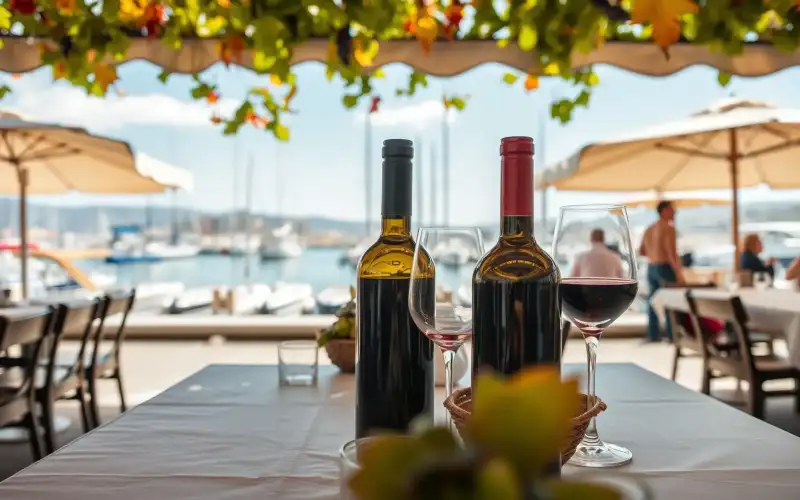
The Problem: Finding Authentic Wine Harvest Experiences in Limassol
I arrived in Limassol on a September afternoon in 2025, the air still thick with summer heat, and immediately noticed something shifting. The tavernas were quieter than expected. The marina, usually crowded with weekend sailors, felt more contemplative. I asked a wine merchant near the old harbour what was happening, and she smiled: "The harvest is coming. Everyone is preparing." That single sentence unlocked an entire season I'd nearly overlooked—one that most casual visitors miss entirely.
Autumn in Limassol isn't advertised the way spring is. There are no billboards promising golden light and perfect weather. Yet between late August and November, the city transforms into something far more compelling than a sun-and-sea destination. The grape harvest begins, wineries spring to life after months of relative dormancy, and restaurants pivot toward seasonal menus built around what's being pulled from the earth. The problem most visitors face is simple: they don't know this exists, or they arrive without a framework for accessing it authentically.
The challenge deepens when you consider the logistics. Winery tours require advance booking and insider knowledge. Harvest festivals happen on specific dates and aren't always promoted to international audiences. Restaurant reservations at the best seasonal venues fill weeks ahead. And the calendar itself is confusing—harvest timing varies year to year based on weather, meaning what worked in 2024 might not apply to 2026. You need a map. You need timing. You need to know which experiences are worth your time and which are tourist theatre.
Why Autumn Matters: The Wine Season Decoded
The Harvest Timeline and What It Means
Cyprus's wine harvest typically runs from late August through October, though the exact window shifts depending on heat and rainfall. In 2026, early indicators suggest the main crush will peak between mid-September and mid-October. This matters because it affects which wineries are actively harvesting when you visit, which festivals are running, and what restaurants can source for their menus.
The harvest itself is a physical, intensive process. Grapes are picked—increasingly by hand at quality producers, less so at industrial operations—brought to the winery, destemmed, crushed, and left to ferment. This takes weeks. What you're witnessing as a visitor is the beginning of that transformation, the moment when vineyards shift from patient maintenance mode to urgent creation mode. Winery staff work longer hours. The smell of fermenting juice permeates the air around production facilities. There's a tangible energy that simply doesn't exist in other seasons.
Cultural Significance and Local Tradition
Wine-making in Cyprus reaches back to antiquity. Commandaria wines, produced in villages south of Limassol, have been documented since the 12th century. The autumn harvest isn't just an agricultural event; it's a cultural marker, a time when the rhythm of life in wine regions shifts noticeably. Families who've been making wine for generations still participate actively in the harvest. In smaller villages, it remains communal—neighbours help neighbours, and the process is as much social as it is productive.
Understanding this context changes how you experience the season. A winery tour in September isn't a polished museum visit; it's an interruption into active work. You might see staff preparing equipment, taste wine that's still fermenting (technically not wine yet), or watch sorting tables in action. This rawness appeals to serious wine enthusiasts but can surprise those expecting the genteel tasting-room experience of European wine regions.
Why Restaurants Respond to the Harvest
As grapes come in, so do other autumn ingredients. Figs reach their peak in early September. Pomegranates appear. Game becomes available. Mushrooms, which rarely feature in summer menus, become central to autumn cooking. Limassol's restaurant scene, particularly in the countryside villages and near the marina, responds dynamically to what's available. Chefs plan autumn menus months in advance based on predicted harvests and seasonal produce calendars.
This creates an opportunity for diners: if you eat in Limassol during autumn, you're eating food that's at its absolute peak of availability and flavor. There's no air freight, no storage compromise, no apology for seasonal limitations. The food tastes better because it's supposed to taste better at that moment.
The Solutions: How to Experience the Harvest Properly
Winery Tours and Direct Producer Access
The two largest and most accessible winery operations for international visitors are LOEL (Limassol Organisation of Enological Laboratories, though better known as a producer collective) and ETKO (the Cyprus Vine Products cooperative). Both offer structured tours, though with different approaches.
LOEL represents a network of smaller, quality-focused producers. Tours typically last 90 minutes to two hours and include the production facility, barrel aging areas, and a tasting of 4–6 wines. During harvest season, you'll see active fermentation and crushing equipment in use, which adds immensely to the experience. In 2026, LOEL tours are operating daily except Sundays from 10:00 to 17:00, with the last tour beginning at 15:30. Booking is essential—contact them at least two weeks ahead during September and October. The cost is approximately €25 per person, including tastings. Groups of four or more receive a 15% discount. Many tours are led by English-speaking staff, though this varies seasonally.
ETKO is larger, more industrial, and more heavily involved in bulk wine production. Their tours are more structured and less intimate than LOEL's, but they offer a different perspective—you see the scale at which Cypriot wine operates. Tours run year-round but are particularly worthwhile during harvest. ETKO's main facility is about 15 minutes from central Limassol, accessible by car or taxi (approximately €12–15 from the marina). Tours cost €20 per person and include a tasting and small gift bottle. They operate on weekdays primarily, with limited weekend availability. Advance booking is necessary.
Beyond these two, the Commandaria Wine Route offers a more independent experience. This collection of 13 villages south of Limassol includes family-run wineries that welcome visitors without formal tours. You can drive or take a taxi, stop at multiple producers, and taste for free (though purchasing is expected). The drive from Limassol takes 45 minutes to an hour. The villages themselves—particularly Kyperounta and Trimithoussia—are worth exploring for their architecture and views. This approach requires more planning and comfort with informal arrangements, but it yields the most authentic encounters with working winemakers.
Festivals and Harvest Celebrations in 2026
The most significant event is the Limassol Wine Festival, which in 2026 runs from 12 September to 3 October in Rialto Gardens near the marina. This is the city's flagship harvest celebration: dozens of wineries set up booths, live music plays nightly, local food vendors operate throughout the grounds, and the whole affair has a county-fair energy despite being entirely wine-focused. Entry is free. Wine tasting tokens cost €0.50 each, with most wines available for one or two tokens. Plan to spend €15–25 on tastings if you're sampling broadly. The festival runs from 18:00 to 23:00 daily, making it ideal for early evening visits when temperatures drop slightly.
Beyond the main festival, individual wineries and villages host smaller harvest celebrations. Commandaria's Harvest Festival typically occurs in late September (exact dates announced in August), featuring local wine, traditional food, and folk music. Admission is free, though wine and food are sold separately. Kyperounta hosts a village wine festival in early October with a more intimate, family-oriented atmosphere than Limassol's main event.
For something different, several restaurants near the marina organize harvest dinners—multi-course menus built entirely around seasonal ingredients and paired with local wines. These are ticketed events (typically €55–85 per person) that book out weeks ahead. Contact restaurant concierges or the Limassol tourism office for current offerings in September and October 2026.
Dining Experiences: Where to Eat During Harvest Season
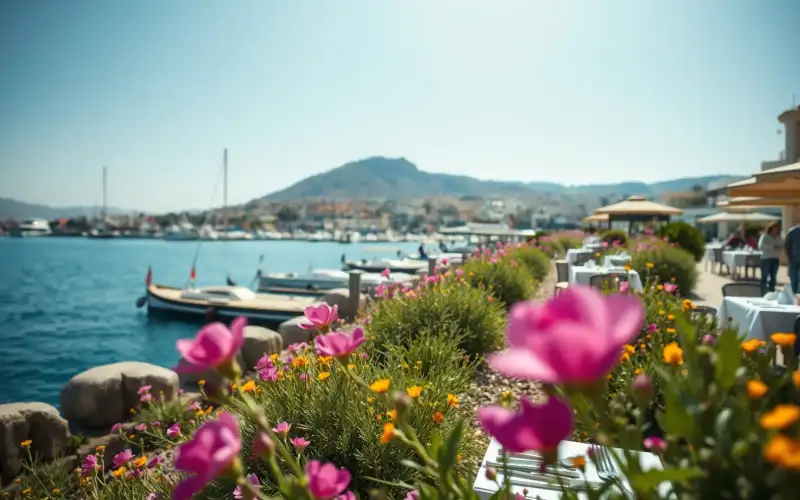
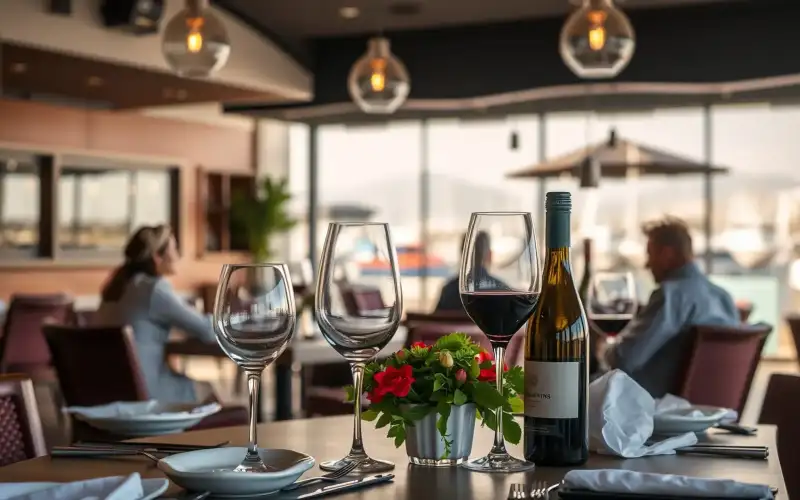
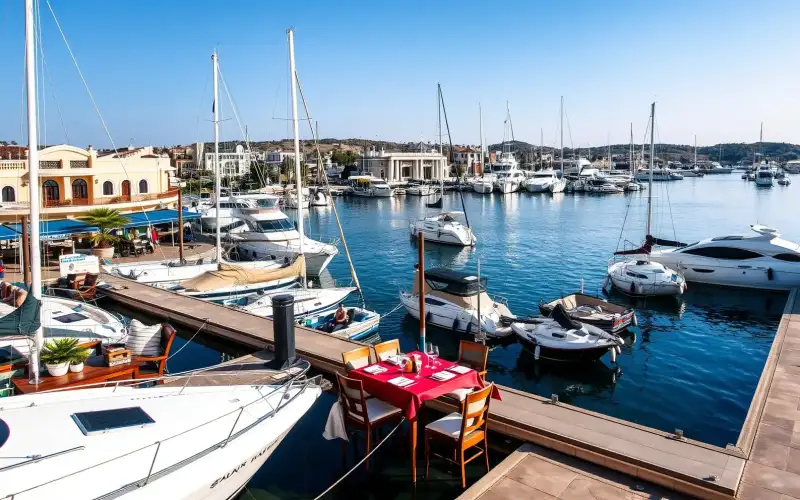
The marina area offers several restaurants that shift their menus noticeably in autumn. Waterfront establishments like those along the promenade begin featuring game—rabbit, quail, venison—that's unavailable in summer. Seafood transitions toward autumn catches. Vegetable dishes become more prominent and more interesting.
For serious seasonal dining, venture slightly inland to Agios Tychonas or Germasogeia, villages just outside Limassol proper where several well-regarded restaurants operate. These establishments have direct relationships with local producers and adjust their menus weekly based on what's available. Expect to spend €25–40 per main course at mid-range establishments, €40–60 at fine-dining venues. Wine pairings add €15–25 to the bill.
The countryside villages of the Commandaria region support several tavernas where harvest-season eating is particularly good. These are simpler establishments—often family-run, with limited menus—but the food is directly connected to what's being harvested. You might find game stews, fig-based desserts, or pomegranate reductions that aren't available elsewhere on the island. Meals here cost €15–25 per person for a full dinner with wine.
Practical Logistics and Timing
Plan your autumn Limassol visit for September through early November. September is the busiest harvest period and offers the most active winery experiences; by November, the main work is complete, though fermentation continues indoors. September weather remains warm (28–32°C), while October and early November are more comfortable (22–26°C).
Booking is essential for any structured winery tour or restaurant reservation. The Limassol Wine Festival requires no advance booking but benefits from early arrival if you want manageable crowds. Mid-week visits (Tuesday through Thursday) are less crowded than weekends.
Driving is the most practical way to access the Commandaria region and scattered wineries. Rental cars cost €30–50 daily. Taxis are reliable for point-to-point trips but become expensive for extensive touring. The bus network (OSYPA) connects Limassol to major towns but has limited service to small wine villages.
Expert Tips and Local Insights
Several insights emerge from spending multiple autumn seasons in Limassol and the surrounding wine regions. First, don't assume all harvest-season experiences are equally worthwhile. The Limassol Wine Festival is genuinely excellent and genuinely crowded—arriving early (around 18:15) or on a weeknight (Tuesday or Wednesday) vastly improves the experience. The Commandaria Wine Route works best if you're comfortable with slower travel and informal interactions; it's not efficient if you're time-constrained.
Second, the most authentic experiences often happen away from formal tours. If you're staying near the marina or in central Limassol, strike up conversations with restaurant staff, shop owners, or hotel concierges. Locals often know about small harvest celebrations, informal tastings, or family wineries that don't appear in tourist materials. This requires flexibility and openness to spontaneity, but it yields encounters that no guidebook can provide.
Third, understand the difference between Limassol-area wines and Commandaria wines. Commandaria is protected designation of origin (PDO) territory producing sweet, fortified wines that have been made the same way for centuries. They're distinctive and worth trying, but they're not representative of Cypriot wine broadly. Most modern Cypriot wine—drier, lighter, more aligned with contemporary tastes—comes from elsewhere on the island. If you taste at LOEL or ETKO, you're sampling the broader Cypriot wine landscape. If you visit Commandaria, you're experiencing a specific, historic tradition.
Finally, pace yourself. The temptation during a wine festival or multi-winery day is to taste everything. This leads to palate fatigue and poor decision-making. Limit yourself to 6–8 tastings across a day, and drink water between each. Take detailed notes on wines you like; you'll forget otherwise. Most producers will ship bottles internationally, though costs are significant—budget €8–12 per bottle for shipping if you're purchasing remotely.
Next Steps: Planning Your Autumn Limassol Experience
Begin by fixing your travel dates. If September appeals—better harvest activity, more lively atmosphere—book accommodation and winery tours immediately. September fills quickly. If October or November suits your schedule better, you have more flexibility, though some harvest-specific activities will have concluded.
Next, identify your priorities. Are you primarily interested in wine education? Prioritize winery tours and the wine festival. Are you focused on dining? Research restaurants, contact them directly, and ask about seasonal menus and harvest dinners. Are you seeking cultural immersion? Plan time in Commandaria villages and smaller harvest celebrations. Most visitors benefit from a mix—a day at the wine festival, one or two winery tours, and several meals at seasonal restaurants—but your emphasis shapes everything else.
Third, make specific bookings. The Limassol Wine Festival requires no advance registration, but winery tours, restaurant reservations, and harvest dinners do. Contact LOEL and ETKO at least two weeks ahead. Email restaurants directly rather than using third-party booking platforms; they're more likely to discuss seasonal menus and special harvest offerings.
Finally, build in unstructured time. Some of the best autumn experiences in Limassol happen by accident—a conversation with a winemaker that turns into an impromptu tasting, a restaurant recommendation that leads to an unexpectedly excellent meal, a village detour that reveals a small harvest celebration. The structure matters, but so does the space to wander and discover.
The autumn harvest season in Limassol isn't a new invention designed for tourists. It's a genuine agricultural and cultural event that happens every year. What changes is whether you're positioned to experience it, whether you understand its rhythms and significance, and whether you've made the practical arrangements necessary to participate meaningfully. With this guide, you're equipped to do all three.

Comments (4 comments)