
The Moment I Missed the 30 to Paphos and Learned the Hard Way
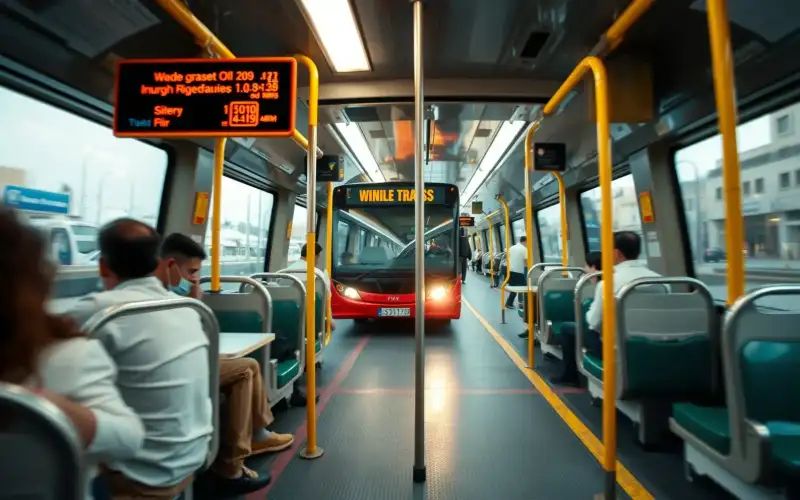
Three years ago, I arrived at Limassol Central Bus Station at 14:47 on a Thursday, confident I'd catch the 15:00 service to the Troodos wine region. The digital display showed the route number, the destination, and what looked like a departure time. I queued, bought my ticket from the kiosk, and walked to the platform. The bus left at 14:52. I watched it go from the waiting area, ticket in hand, having made the rookie mistake of trusting the display board rather than asking a local.
That fifteen-minute gap taught me more about Limassol's transport system than any guidebook could. The buses run on a schedule that's published, but also on a rhythm that locals understand intuitively. Departure times are approximate. Drivers leave early if the bus is full. Peak hours mean different rules. And the digital boards, while improving, still occasionally lag behind reality.
This guide exists because navigating Limassol's public transport doesn't require a PhD in Cypriot logistics—it requires knowing where the pitfalls are, what the actual costs are, and how to move around the city like someone who lives here rather than someone reading a three-year-old blog post.
Understanding Limassol's Bus Network: The EMEL System
Limassol's public buses are operated by EMEL (Elliniko Metafores Limassol), a municipal company that runs the urban network. This isn't a private operator chasing profit margins—it's a city service, which means reliability is generally solid, but flexibility is limited. The network consists of approximately 30 routes covering the city proper and outlying areas including Paphos, Larnaca Airport, and the wine villages of the Troodos foothills.
Route Categories and Coverage
EMEL routes fall into three informal categories. Urban routes (numbered 1-20) serve the city centre, marina, and residential districts. These run frequently—every 10 to 20 minutes during peak hours (07:00-09:00 and 16:00-19:00 on weekdays), dropping to 30-minute intervals mid-day and hourly after 20:00. The Route 30 runs to Paphos (about 50 kilometres), taking 75 minutes and operating five times daily. The Route 31 heads to Larnaca Airport (65 kilometres), a journey of roughly 90 minutes, with departures at 06:15, 08:45, 11:15, 14:45, and 17:15—times that shift seasonally, so check the EMEL website before relying on them.
Long-distance routes (30+) connect Limassol to other towns. These are less frequent but more comfortable, with larger coaches and air conditioning as standard. Wine country routes (Routes 40-49) serve the Troodos villages—Omodos, Vouni, Pelendri—but run only two or three times daily, typically morning and late afternoon. If you're planning a wine tour by public transport, timing is everything.
The Central Bus Station: Where Everything Starts
Limassol Central Bus Station sits on Iasonos Street, a ten-minute walk from the Old Port and marina. The station is modern, opened in 2018, with separate bays for different route categories, a ticket office, a small café, and—crucially—a real-time departure board. The ticket office opens at 05:45 and closes at 21:00. After 21:00, you can buy tickets directly from drivers, though they may not always have change for large notes.
The station layout matters. Urban routes depart from bays 1-8 (left side). Long-distance and airport routes use bays 9-12 (right side). Wine country routes operate from bay 13, at the rear. This isn't intuitive if you don't know it. I've watched tourists queue at the wrong bay for fifteen minutes, watching their bus depart from somewhere else entirely.
Ticketing: Costs, Cards, and Common Mistakes
EMEL uses a unified ticketing system that works across all routes, though prices vary by distance. Understanding the fare structure saves money and frustration.
Single Journey Fares and Passes
A single urban journey (within city limits) costs €1.50 if purchased in advance from a kiosk or ticket machine, or €1.70 if bought from the driver. The difference incentivizes buying ahead. Long-distance fares are distance-based: Limassol to Paphos is €5.00, to Larnaca Airport is €6.50, to Troodos wine villages €3.50-€4.50 depending on the specific village.
The EMEL card system is where regular visitors save significantly. A rechargeable card (€2.00, one-time purchase) reduces urban fares to €1.20 per journey. A weekly pass for urban routes costs €12.00 and offers unlimited travel Monday to Sunday. A monthly pass is €35.00. For business travellers spending a week in Limassol, the weekly pass pays for itself after ten journeys.
Day passes exist but are underutilized by tourists: €5.00 for 24 hours of unlimited urban travel, purchased from the ticket office or any kiosk. This is genuinely useful if you're planning a day exploring the city—Old Port, Kourion archaeological site, the wine villages via connecting buses.
Buying Tickets: Where and How
The ticket office at Central Station accepts cash and card. Automated kiosks (there are five in the station) accept coins and notes up to €20. They're occasionally temperamental with older €10 and €20 notes, so have smaller denominations handy. You can also buy tickets at selected supermarkets (Carrefour, Lidl) and petrol stations, though the selection is usually limited to single journey cards and weekly passes.
A practical tip: buy your EMEL card and load it with €20-€30 on arrival. This gives you flexibility without queuing for every journey. Cards are valid for three years, so you can top them up on future visits.
Navigating Routes: Peak Hours, Schedules, and Real-World Timing
The published schedule and the actual schedule are related but not identical. This is the lesson I learned the hard way, and it's worth understanding before you arrive.
Peak Hours and Frequency Shifts
Weekday peak hours (07:00-09:00 and 16:00-19:00) see buses running every 10-15 minutes on main routes. Miss one, and another arrives shortly. Mid-day (10:00-15:00) frequency drops to 20-30 minutes. After 20:00, it's 30-45 minutes, and after 22:00, only main routes run (every 45 minutes to an hour). Weekends are different: the first bus on most routes departs around 06:30, and frequency is consistent at 20-30 minutes throughout the day, with the last urban buses at 23:00.
The wine country routes have minimal frequency. Route 41 to Omodos runs at 07:30 and 15:30 on weekdays, with a return at 08:30 and 16:30. If you miss the 15:30 departure, you're staying in Omodos until the next morning. Plan accordingly.
Real-Time Tracking and the Imperfect Digital System
EMEL's website and mobile app (the EMEL app, available on iOS and Android) show real-time bus positions and estimated arrival times. This sounds helpful. It is, mostly. But the system occasionally glitches, and the estimates can be off by five to ten minutes, particularly during heavy traffic. The app is more reliable than the website for checking arrival times at specific stops.
The physical bus stop displays (found at major stops like the marina, Old Port, and Molos) are more reliable than the app, but they're only installed at major hubs. For smaller stops, you're relying on the app or asking locals.
Getting Around the City: Key Routes and Practical Itineraries
Limassol's geography is straightforward: the Old Port and marina sit at the southern edge; the city centre sprawls northward; residential areas extend east and west. A few routes cover most visitor needs.
Essential Routes for Visitors
Route 1 runs the length of the seafront from the Old Port to the Limassol Marina, stopping at Molos Park, the Archaeological Museum, and the Four Seasons Hotel. It's the tourist spine, running every 15 minutes during the day. Route 2 parallels Route 1 slightly inland, useful if you're heading to the old town (Pano Skala neighbourhood). Routes 10 and 11 serve the eastern suburbs and the Larnaca road; Route 12 goes west toward Paphos. For wine country, Routes 40-49 depart from the central station.
A practical day itinerary using public transport: Start at Central Station (Route 1 to Molos), spend two hours at the Archaeological Museum and seafront, then Route 30 to Paphos for lunch (return by 17:00 to catch the evening service back). Or: Central Station to Old Port (Route 1), explore the old town and castle, then Route 41 to Omodos if you're staying overnight, or return by evening bus.
Stops to Know and Avoid
Major stops are clearly marked with blue EMEL signs and shelter. Central Station is the obvious hub. The marina has a dedicated bus stop on the main boulevard. The Archaeological Museum has a stop directly outside. Molos Park has multiple stops along its length. Smaller residential stops are sometimes just a painted curb—ask locals if you're unsure.
Avoid boarding at very small stops during peak hours if you're unfamiliar with the route. Drivers sometimes skip stops if they're already full, and you might find yourself waiting for the next bus. Central Station and major stops are always served.
Taxis, Ride-Hailing, and When to Use Alternatives
Public buses aren't always the answer. Understanding when to switch to taxis or ride-hailing saves time and occasional frustration.
Taxis in Limassol are metered and reasonably priced: a journey from the airport to the city centre (about 65 kilometres) costs €45-€55 depending on traffic. Within the city, a trip from the Old Port to the marina is €5-€8. Taxis can be hailed on the street, called (numbers are posted at the station), or booked via the Uber app, which operates in Limassol with local drivers. Uber is marginally cheaper than street taxis and removes the language barrier if you're uncomfortable negotiating in Greek or English.
For airport transfers, a taxi or Uber is more convenient than the Route 31 bus if you're arriving with luggage and unfamiliar with the system. The €6.50 savings isn't worth the stress of navigating the station with two suitcases at 23:00.
For short city-centre journeys (under 2 kilometres), walking is often faster than waiting for a bus. Limassol's centre is compact. The seafront from the Old Port to the marina is a pleasant 20-minute walk.
Practical Tips: Avoiding the Pitfalls I've Hit
A few hard-won observations for navigating Limassol's transport like a seasoned traveller rather than a visitor consulting a map.
First: arrive at stops five to ten minutes before the scheduled departure time. The buses run on a schedule, but that schedule is approximate. A full bus leaves early; an empty bus might wait. Being there early means you're not the person watching your bus depart.
Second: download the EMEL app before you arrive, and check real-time positions rather than relying on posted timetables. The app is imperfect, but it's better than guessing.
Third: carry small change or use your EMEL card. Drivers don't always have change for €20 notes, and you'll hold up the queue while they hunt for coins.
Fourth: if you're heading to wine country or remote destinations, plan your return journey immediately upon arrival. The last bus might depart at 16:30 or 17:00. Miss it, and you're calling a taxi or staying overnight.
Fifth: during summer (June-September), buses can be crowded on popular routes. The route to Paphos and to the wine villages fills quickly. Arrive early, especially on weekends.
Finally: don't assume English. Many drivers speak it, particularly on long-distance routes, but some don't. Learn the name of your destination in Greek, or show the driver your phone with the stop name displayed. Locals are generally helpful if you're polite and patient.
Seasonal Variations and 2026 Updates
EMEL updates its schedules seasonally. Winter (November-March) sees reduced frequency on some routes and earlier final departures. Summer (June-September) adds extra services on popular routes. The 2026 schedule has introduced two new wine country routes (Routes 48 and 49) serving previously underserved villages, and the Route 31 airport service now includes a 13:30 departure, useful for midday arrivals.
The ticket prices mentioned here (€1.50 urban, €5.00 to Paphos, etc.) have been stable since 2024, but inflation in Cyprus is running at 2-3% annually, so expect modest increases by late 2026. Check the EMEL website before your trip for the most current fares.
The real-time tracking system has improved significantly since 2024. The app now updates positions every 30 seconds rather than every two minutes, making arrival estimates much more reliable. This is a genuine improvement that makes planning around buses far less frustrating than it was three years ago.
The Bigger Picture: Getting Around Limassol as Part of a Broader Cyprus Trip
If you're visiting Cyprus for more than a few days, Limassol's buses are part of a larger network. EMEL's long-distance routes connect to services operated by other companies (OSYPA for Paphos, ALSA for Larnaca and Nicosia). The ticketing systems don't integrate, so you'll buy separate tickets for inter-city journeys. But the principle is the same: arrive early, check real-time tracking, and build in buffer time.
For business travellers spending a week in Limassol attending conferences or meetings, a weekly EMEL pass (€12.00) and occasional taxis for time-sensitive journeys is the most efficient approach. For leisure visitors exploring wine country, budget time generously—the buses are reliable, but they're not fast, and schedules are sparse outside peak hours.
The system works. It's not glamorous, and it requires a bit of local knowledge to navigate smoothly. But it's cheap, it's reliable, and it connects you to the real Limassol—the one locals use, not the one in tourist brochures. That's worth the minor friction of learning how it actually operates.



Comments (3 comments)