
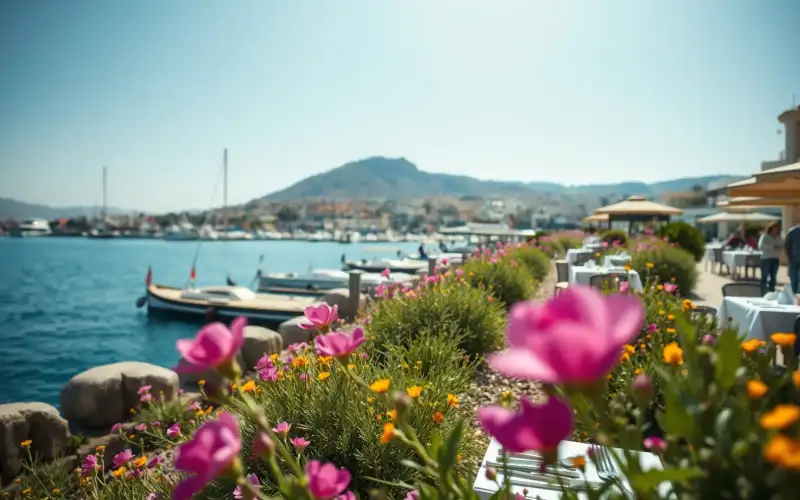
Last April, I watched a British couple in their fifties abandon their hire car at the Old Port and walk the entire Lady's Mile Beach on foot—no destination, no schedule, just following the carpet of purple and yellow wildflowers that had colonised the dunes overnight. By the time they reached the eastern end, three hours later, they'd spotted four endemic plant species, photographed a Bonelli's eagle, and booked a beachfront taverna reservation for dinner. That's the magic of Limassol in spring: the coast doesn't just open up, it blooms.
Spring 2026 arrives in Cyprus with particular vigour. Winter rainfall has been generous, soil moisture is optimal, and the Mediterranean sun returns without the punishing heat of summer. For coastal walkers, this creates a narrow but glorious window—roughly mid-March through May—when the paths are navigable, the wildflower displays are at their peak, and the temperature hovers around 20-23°C. This is when Limassol's shoreline reveals itself as one of the eastern Mediterranean's most rewarding walking destinations, far less crowded than Crete or Rhodes, with better infrastructure than you'd expect.
The Data Behind Limassol's Spring Bloom
Cyprus records approximately 1,800 plant species, of which around 140 are endemic—found nowhere else on earth. Limassol's coastal zone, particularly the limestone stretches between the Old Port and Curium, hosts roughly 30 of these endemic species. Spring is their theatre. Precipitation peaks in March (average 28mm), triggering germination across the coastal plain. By mid-April, wildflower density along the Lady's Mile dunes reaches 4-6 distinct species per square metre, compared to perhaps 1-2 in autumn.
Tourism data from the Limassol Municipality reveals that coastal walk participation rises 67% between March and May compared to winter months. Yet visitor numbers remain manageable—the promenade attracts roughly 2,000-3,000 daily walkers in April, compared to 8,000-10,000 in July. This matters: you get the flowers without the crowds.
Water conditions also favour spring exploration. Sea temperature climbs from 16°C in late March to 19-20°C by May—still cool enough to deter casual swimmers, but warm enough for wetsuits. Coastal winds average 12-15 knots, ideal for parasailing and windsurfing operators based at Dasoudi Beach and the Old Port, who report 40% higher bookings in April-May than in winter.
The Essential Coastal Paths: Route by Route
Limassol's shoreline stretches roughly 16 kilometres from Akrotiri in the west to Paramali in the east. Not all of it is walkable, but three sections offer exceptional spring experiences.
Lady's Mile Beach to Amathus: The Wildflower Corridor (6.2 km)
This is the headline walk. Lady's Mile Beach (named for a legendary horse's daily canter) begins at the Old Port's eastern edge and extends eastward as a 3.2-kilometre ribbon of sand and dune. The promenade is paved and well-maintained; the dunes, however, are where the botany happens. In spring, look for:
- Ophrys kotschyi (Cyprus bee orchid)—a small, dark-purple orchid that mimics female bee pheromones to attract pollinators. Blooms April-May.
- Pancratium maritimum (sea daffodil)—white, fragrant flowers on the foredune. Peak bloom late April.
- Medicago marina (strand medick)—yellow clusters, nitrogen-fixing pioneer species.
- Silene uniflora (Bladder campion)—white, papery calyces that inflate in wind.
Walking pace: 1.5 hours at leisurely botanist speed, 45 minutes if you're just moving. The path is flat, sandy, and suitable for trainers or walking sandals. Water points are sparse—bring 1.5 litres minimum. The promenade has several cafés at the 1.5 and 3 km marks; the Amathus section (beyond 3.2 km) transitions to a rocky shoreline with fewer facilities.
From Amathus, you can either return westward or continue 3 kilometres further east on a rougher coastal path toward Paramali. This section is less trafficked and more dramatic—limestone cliffs alternate with pebble beaches, and you'll encounter fewer tourists and more wildlife (kestrels, Audouin's gulls, occasional monk seals in the deeper coves).
The Curium Archaeological Promenade (2.8 km)
Curium (ancient Kourion) sits 18 kilometres west of central Limassol, perched on a 70-metre limestone headland. The archaeological site itself is remarkable—a Greco-Roman city with a theatre, basilica, and mosaic floors—but the coastal path beneath it is a spring revelation. A paved walkway (constructed 2023, upgraded 2025) runs along the cliff base, offering sea-level perspectives of the geology and flora.
The path starts at Curium Beach (a small, pebbly cove with a taverna) and extends westward for 2.8 kilometres to Episkopi Beach. Spring wildflowers here differ from Lady's Mile: the limestone grassland supports Anemone coronaria (poppy anemone, scarlet-red), Muscari comosum (tassel hyacinth, purple-blue), and dense patches of Chrysanthemum segetum (corn marigold, golden). The walk is moderate—some elevation gain, rocky sections—and takes 1.5-2 hours.
What makes Curium special is the layering: wildflowers in the grassland above, archaeological fragments (pottery sherds, stone) underfoot, and the Akamas Peninsula visible across the bay to the west. On clear days, you can see the Turkish coast 80 kilometres north. The path is less crowded than Lady's Mile, partly because it requires deliberate travel (not a city-centre stroll) and partly because the archaeology draws a different crowd—more serious walkers, fewer casual tourists.
The Old Port to Dasoudi: Urban Promenade (1.8 km)
If you're short on time or prefer urban energy, the seafront promenade from the Old Port (Limassol's historic fishing quarter) eastward to Dasoudi Beach offers spring appeal without wilderness. The path is fully paved, lined with cafés and restaurants, and busy—exactly what some travellers prefer. Spring wildflowers don't dominate here, but potted geraniums and bougainvillea on restaurant terraces create colour, and the human landscape—fishermen mending nets, weekend crowds, water sports operators—is its own kind of spectacle.
Dasoudi Beach is the base for parasailing, jet-ski, and banana boat operations. Prices in 2026 run roughly £35-45 for a 15-minute parasail flight, £50-70 for 30 minutes jet-skiing, and £25-35 per person for banana boat rides (minimum 4 people). Spring water temperature (19-20°C) requires wetsuits, which operators provide. Wind conditions in April-May are reliable (12-15 knots), making this the sweet spot for water sports before summer heat and crowding.
Wildflower Spotting: Species Guide & Best Locations
Spring wildflower identification requires patience and a good reference. The most accessible guide is the Hellenic Plant Society's Flora of Cyprus field cards (available at Limassol Museum gift shop, €12). But even without specialist knowledge, you'll recognise the major players.
The coastal dunes (Lady's Mile, Akrotiri Salt Lake margins) favour salt-tolerant, nitrogen-poor species. Inland grasslands (near Curium, Episkopi) support broader diversity. Limestone cliffs (Paramali, western Akamas approaches) host endemic rarities.
| Species (Common & Latin) | Bloom Peak | Colour | Best Location | Rarity |
|---|---|---|---|---|
| Cyprus Bee Orchid (Ophrys kotschyi) | April-May | Dark purple | Lady's Mile dunes | Endemic |
| Sea Daffodil (Pancratium maritimum) | Late April-May | White | Foredune, all beaches | Native |
| Poppy Anemone (Anemone coronaria) | March-April | Red/pink/white | Curium grassland | Native |
| Tassel Hyacinth (Muscari comosum) | April-May | Purple-blue | Curium, Episkopi | Native |
| Corn Marigold (Chrysanthemum segetum) | April-May | Golden yellow | Grassland margins | Native |
| Bladder Campion (Silene uniflora) | April-May | White | Upper dune, cliff tops | Native |
Photography tip: wildflowers photograph best in soft morning light (6-9 am) or late afternoon (4-7 pm). Midday sun flattens colours. If you're serious about macro work, a small tripod and a macro lens (or smartphone macro adapter) transform casual snaps into publishable images. The endemic species—particularly Ophrys kotschyi—are worth the extra effort.
Outdoor Dining: Waterfront Restaurants for Spring Walkers
Spring walking builds appetite. Limassol's coastal restaurants have evolved significantly since 2020; the old fish-taverna model persists, but newer establishments cater to wellness-minded travellers and wine enthusiasts.
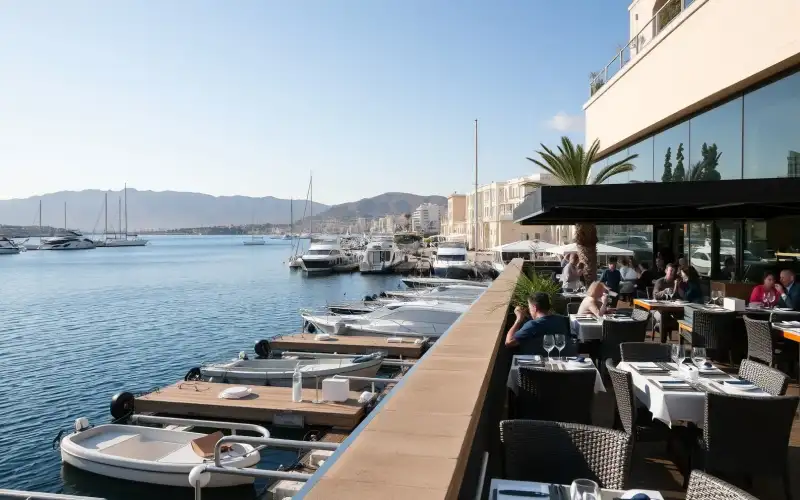
The Old Port quarter remains the dining heart. Thalassa (seafront, near the fishing boats) serves grilled octopus and local white fish; expect €18-28 mains, busy weekends, authentic atmosphere. Psarolimano (adjacent) is similar, slightly more tourist-friendly. Both open 11 am-11 pm daily.
For something more refined, Lemon Tree (east of the Old Port, near Dasoudi) offers Mediterranean fusion—think grilled halloumi with spring herbs, locally-caught sea bass with lemon beurre blanc—at €22-35 mains. Spring menus feature asparagus and artichokes from the Troodos foothills, available mid-April onward. Booking advised weekends.
The Curium area has fewer options but Taverna Psariko (beachfront at Curium Beach) is worth the drive. Simple grilled fish, local wine, and the sound of waves create an unbeatable spring atmosphere. Mains €15-22. Open daily 10 am-sunset (roughly 8 pm in May).
Wine note: spring is ideal for exploring Cyprus reds and whites. Limassol is home to several wineries—KEO, LOEL, and smaller producers like Vlassides—which offer tasting rooms. A typical tasting (3-4 wines, 90 minutes) costs €15-20 per person. Pairing local Xynisteri white wine with grilled fish or halloumi elevates a casual lunch into something memorable.
Practical Logistics: When, How, What to Bring
Timing matters. Mid-April to early May offers the optimal window: wildflowers are at peak bloom, temperatures are comfortable (20-23°C), and rainfall is rare. Late March can be wet; early June begins to feel warm for walking (25-27°C).
Walking boots aren't necessary for Lady's Mile (sand and paved promenade), but for Curium and the rougher eastern sections, proper footwear prevents ankle twists on rocky terrain. Trainers with ankle support or dedicated hiking shoes work well.
Sun protection is non-negotiable. Even in spring, UV intensity at sea level is high. SPF 50+ sunscreen, a wide-brimmed hat, and sunglasses are standard. Dehydration sneaks up quickly; carry 1.5-2 litres of water per person, especially on longer walks.
A basic field guide (or smartphone app like Plantsnap) transforms casual observation into genuine learning. The Hellenic Plant Society guide is best, but even a generic Mediterranean flora guide helps with ID.
"Spring in Limassol isn't a secret anymore, but it's still quiet enough to feel like one. The crowds haven't arrived, the flowers are spectacular, and you can walk for hours without seeing another soul."
Parking is straightforward. Lady's Mile has a large free car park at the western end (near the Old Port); Curium has paid parking (€2 for 3 hours, €4 all day) at the archaeological site entrance. Both fill quickly on weekends in April-May, so early starts (before 9 am) are advisable.
Public transport is limited. Limassol has local buses (operated by EMEL), but routes don't serve most coastal paths directly. A hire car (roughly £25-40 daily from airport agencies) is practical. Alternatively, taxis from central Limassol to Curium cost €20-25 one way.
Why Spring Matters: The Seasonal Shift
Spring coastal walking in Limassol appeals to a specific traveller: someone seeking nature without wilderness logistics, culture without museum fatigue, and leisure without resort monotony. The British demographic (ages 35-65) often fits this profile—experienced travellers who've done Greek islands and Turkish coast, now looking for depth rather than breadth.
The wildflower season is finite and non-negotiable. Peak bloom lasts 6-8 weeks; miss it, and you've missed the defining feature of spring in Cyprus. This creates urgency—the good kind, the kind that prompts booking a flight rather than postponing another year.
Water sports operators report strong April-May bookings precisely because conditions are ideal: water temperature is rising but still cool (requiring wetsuits, which many find more comfortable than swimming in summer heat), wind is reliable, and the sea isn't crowded. A parasail flight in May offers both adrenaline and landscape—you're 200 metres above the water, looking down at the coastline you've just walked, watching wildflowers blur into a golden-purple mosaic below.
Limassol in spring isn't dramatic or exotic in the way Santorini or Capri are. It's understated, slightly rough around the edges, and all the better for it. The wildflowers don't stay long. The paths are there year-round, but they're best in April and May. The restaurants are always good, but they're quietest in spring. Book it. Walk it. Eat well. You'll understand why some of us keep returning to this particular stretch of coast.



Comments (4 comments)